




LECTIO
DIVINA
Lectio divina is a method of prayer from the monastic tradition of Christianity. It is translated as “holy reading,” “divine reading”, “meditative reading,” or “spiritual reading.”
IGNATIAN GOSPEL CONTEMPLATION
Ignatian contemplation is a very active way of praying that engages the mind and heart and stirs up thoughts and emotions and is suited especially for the Gospels.
Weekly Reflection
You Shall Love the Lord Your God
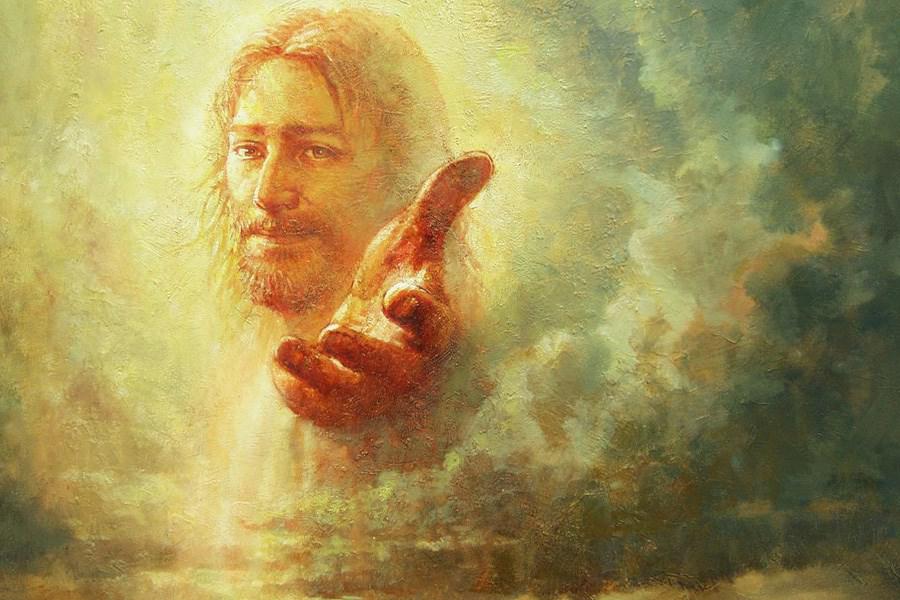
10-25-2026 | We Celebrate Worship Resource, Vol. 51, No. 2"You shall not molest or oppress an alien," the Lord commands in the first reading (Exodus 22:20), revealing that the mistreatment of immigrants has been an issue for thousands of years. In the same breath, God explains why this is important: "for you were once aliens yourself in the land of Egypt" (22:20). Significantly, centuries later, so was Jesus. In his infancy, he and the Holy Family fled to the land of Egypt themselves to escape Herod's wrath. No doubt Jesus recalls this familiar passage from Exodus when he is asked which commandment is the greatest. The second part of his answer — "You shall love your neighbor as yourself" (Matthew 22:39) — can be applied to this law, the other laws mentioned in the first reading, and hundreds of others like it. The "as yourself" reminds us that no matter how much our "neighbor" may seem different, he or she could be us, perhaps at a different point in our lives, as it has been for Jesus himself, or perhaps if we were born in different circumstances. God continues to hear the cries of aliens, widows, orphans, and poor people all over the world, all created in God's image, all whom we are called to love as ourselves.
When do you have a difficult time seeing yourself in a neighbor?
Amarás al Señor tu Dios
"No molestarás ni oprimirás a un extranjero", ordena el Señor en la primera lectura (Éxodo 22, 20), revelando que el maltrato a los inmigrantes ha sido un problema desde hace miles de años. Al mismo tiempo, Dios explica por qué esto es importante: "porque ustedes mismos fueron extranjeros en la tierra de Egipto" (22, 20). Es significativo que, siglos más tarde, Jesús también lo fuera. Durante su infancia, él y la Sagrada Familia huyeron a la tierra de Egipto para escapar de la ira de Herodes. Sin duda, Jesús recuerda este pasaje bien conocido del Éxodo cuando se le pregunta cuál es el mandamiento más importante. La segunda parte de su respuesta —"Amarás a tu prójimo como a ti mismo" (Mateo 22, 39)— puede aplicarse a esta ley, a las otras leyes mencionadas en la primera lectura y a cientos de leyes más por el estilo. La expresión "como a ti mismo" nos recuerda que, por muy diferente que pueda parecernos nuestro "prójimo", esa persona podríamos ser nosotros, quizás en una etapa distinta de nuestra vida, como le ocurrió al propio Jesús, o tal vez si hubiéramos nacido en circunstancias diferentes. Dios sigue escuchando el clamor de los extranjeros, las viudas, los huérfanos y los pobres en todo el mundo; todos ellos creados a imagen de Dios, y todos ellos personas a quienes estamos llamados a amar como a nosotros mismos.
¿Cuándo te resulta difícil verte reflejado en un vecino?
READ MOREEvents

50/50 Raffle / Rifa de 50/50
Drawing to be held on Sat, Nov 7 at 6:00pm.
First Prize 35% of proceeds

Prayer Shawl
The shawls can be crocheted, sewn, woven or knitted. Any parishioner may request a prayer shawl for themselves or someone else.
SVdP Orlando: New Uber Pickup Service
Donate gently used items to St. Vincent de Paul Orlando’s Thrift Stores with our new Uber Pickup service—simple, fast, and impactful.

Night of Bunco Fun!
St. Francis of Assisi Parish invites everyone to a Night of Bunco Fun at the Parish Center.
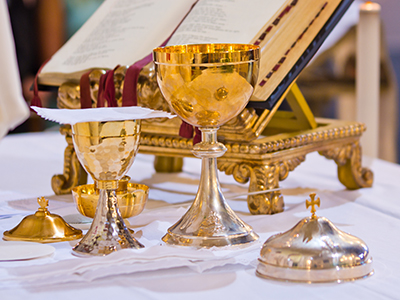
Liturgical Ministers Orientation Meeting
All Extraordinary Ministers of Holy Communion, Sacristans, Lectors, and Ministers to the Sick (English Masses) are invited to an Orientation Meeting with Fr. Ignacio in the chapel.
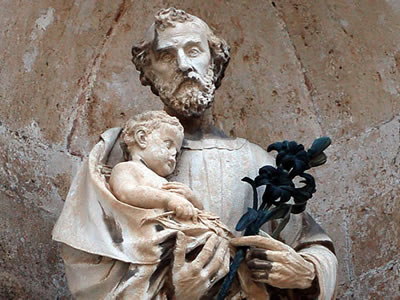
Retiro de Hombres de San José: Tras Las Huellas de San José
Hombre, Dios no te llama a ser perfecto, te llama a ser el protector, el lider y el pilar de tu familia; despierta al San José que llevas dentro.

Community Weddings
Any couple wishing to participate in the Community Wedding must begin the application process at the Office of Faith Formation with Ms. Mercedes Henry.

Rachel’s Vineyard Retreat
Rachel’s Vineyard Weekend Retreat offers a safe, confidential space for anyone seeking emotional and spiritual healing after an abortion.