St. Francis of Assisi Weekly Reflections

To Whom Will You Offer a Cup of Water Today?
06-28-2026Weekly ReflectionWe Celebrate Worship Resource, Vol. 51, No. 2Jesus sets very stringent requirements for discipleship. Disciples must love him more than they love their families, take up their crosses and follow him, and be willing to lose their lives for his sake. Admittedly, he uses a bit of Semitic hyperbole to impress how great a commitment he’s demanding. But the bottom line is that they must exchange self-centeredness for self-sacrifice. But the rewards are great, even for those who merely welcome and assist a disciple. The woman in Shunem, for example, takes in the prophet Elisha, and God rewards her with the promise of a baby boy. Jesus claims that merely a cup of cold water offered to a disciple merits a reward. Since we may not recognize a stranger as a disciple, we are called to help anyone we meet, even with something as simple as a drink of water. As we know now, the ultimate reward we receive from the Lord is eternal life, new life in Christ. The woman of Shunem is rewarded with the new life of a child. Saint Paul preaches that when we are baptized, we live in “newness of life” (Romans 6:4). So too will we find our lives made new when we sacrifice our wills and live unselfishly for the Lord.
To whom will you offer a metaphorical cup of cold water this week?
¿A quién le ofrecerás un vaso de agua hoy?
Jesús establece requisitos muy exigentes para el discipulado. Los discípulos deben amarlo más que a sus familias, cargar con sus cruces y seguirlo, y estar dispuestos a perder la vida por causa de él. Ciertamente, él emplea una hipérbole semítica para resaltar la magnitud del compromiso que exige; pero, en esencia, lo que pide es cambiar el egocentrismo por el sacrificio personal. No obstante, las recompensas son grandes, incluso para quienes simplemente acogen y ayudan a un discípulo. La mujer de Sunem, por ejemplo, acoge al profeta Eliseo, y Dios la recompensa con la promesa de un hijo varón. Jesús afirma que incluso un vaso de agua fresca ofrecido a un discípulo merece una recompensa. Dado que es posible que no reconozcamos a un desconocido como discípulo, estamos llamados a ayudar a cualquier persona con la que nos encontremos, aunque sea con algo tan sencillo como darles de beber. Como bien sabemos, la recompensa suprema que recibimos del Señor es la vida eterna, una vida nueva en Cristo. La mujer de Sunem fue recompensada con la vida nueva de un hijo. San Pablo predica que, al ser bautizados, vivimos en “novedad de vida” (Romanos 6:4). De igual manera, veremos nuestras vidas renovadas cuando sacrifiquemos nuestra propia voluntad y vivamos desinteresadamente para el Señor.
¿A quién le ofrecerás un vaso de agua fría metafórica esta semana?
Showing Christ to Others
06-28-2026Question of the WeekReading I: Elisha And The Shunammite Woman - 2 Kings 4:8-11, 14-16a
Reading II: Death To Sin, Life In God - Romans 6:3-4, 8-11
Gospel: Conditions And Rewards Of Discipleship - Matthew 10:37-42
Key Passage: Those who find their life will lose it, and those who lose their life for my sake will find it. (Matthew 10:39)
Adults: When have you felt more fully alive by giving of yourself to another?
Kids: When have you been able to put what someone else needs ahead of what you want for yourself?
Mostrando a Cristo a los demás
Lectura I: Eliseo y la mujer sunamita - 2 Reyes 4, 8-11, 14-16a
Lectura II: Muerte al pecado, vida en Dios - Romanos 6, 3-4, 8-11
Evangelio: Condiciones y recompensas del discipulado - Mateo 10, 37-42
Pasaje clave: El que encuentre su vida, la perderá; y el que pierda su vida por mí, la encontrará. (Mateo 10, 39)
Adultos: ¿Cuándo se han sentido más plenamente vivos al entregarse a otra persona?
Niños: ¿Cuándo han podido anteponer las necesidades de otra persona a lo que ustedes mismos querían?
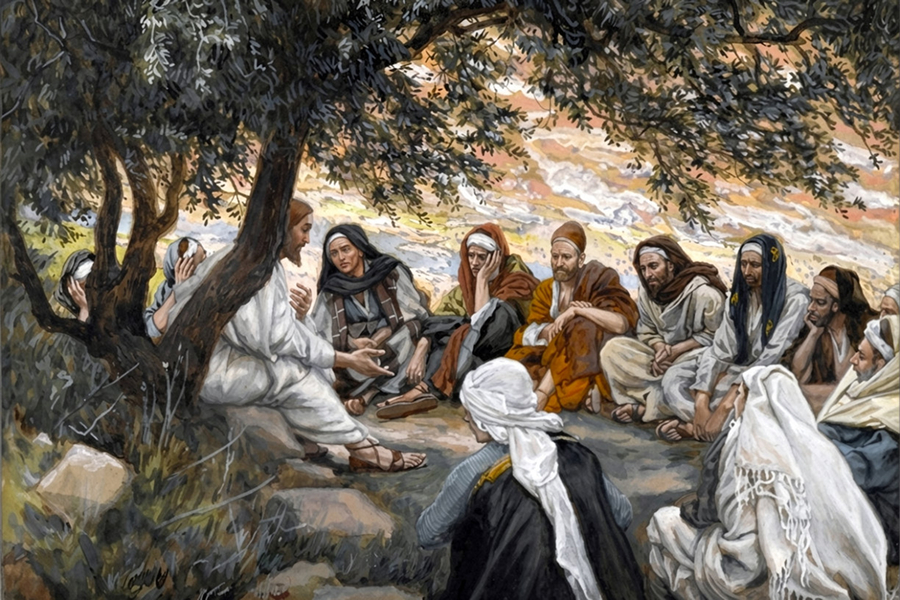
Proclaim from the Housetops
06-21-2026Weekly ReflectionWe Celebrate Worship Resource, Vol. 51, No. 2Last Sunday, we heard Jesus send the Twelve out to proclaim the kingdom of heaven. He realizes some people will be offended and may even threaten to harm them. So, as we hear today, he reassures his disciples, telling them that the Father is watching over every hair on their heads as much as even the tiniest sparrow. Note that Jesus does not claim that the Father will prevent sparrows from falling to the ground or their hair from thinning! No, but the Father’s care is so great that we need not fear suffering or death. Jeremiah realizes this and it enables him to continue prophesying despite threats and persecution, even from those who had been his friends. Paul proclaims that the Father’s gift of the Son—who overcame death—overflows into the whole world. This fortifies him as he preaches the gospel even when facing arrest, imprisonment, and eventually death. Indeed, as Jesus’ disciples now, we need not be afraid, even of death, because Jesus, who remains with us always, is the Resurrection and the Life.
When have you been afraid to speak up or act upon your faith? What can help you overcome that fear?
Proclama desde las Azoteas
El domingo pasado escuchamos a Jesús enviar a los Doce a proclamar el reino de los cielos. Él es consciente de que algunas personas se sentirán ofendidas e incluso podrían amenazar con hacerles daño. Por eso, como escuchamos hoy, Él tranquiliza a sus discípulos diciéndoles que el Padre cuida de cada cabello de sus cabezas tanto como del más pequeño de los gorriones. ¡Nótese que Jesús no afirma que el Padre impedirá que los gorriones caigan a tierra o que el cabello se debilite! No; más bien, el cuidado del Padre es tan grande que no necesitamos temer al sufrimiento ni a la muerte. Jeremías comprende esto, y ello le permite seguir profetizando a pesar de las amenazas y la persecución, incluso por parte de quienes habían sido sus amigos. Pablo proclama que el don del Padre—el Hijo, que venció a la muerte—se desborda sobre el mundo entero. Esto le fortalece al predicar el Evangelio, aun cuando se enfrenta a la detención, el encarcelamiento y, finalmente, la muerte. En efecto, como discípulos de Jesús hoy en día, no debemos tener miedo, ni siquiera a la muerte, porque Jesús—que permanece siempre con nosotros—es la Resurrección y la Vida.
¿Cuándo has sentido miedo de expresar tu fe o de actuar conforme a ella? ¿Qué puede ayudarte a superar ese miedo?
The Reassurance of Faith
06-21-2026Question of the WeekReading I: Jeremiah's Faith In Crisis - Jeremiah 20:10-13
Reading II: Mankind's Sin Through Adam - Romans 5:12-15
Gospel: Reassurance To The Twelve - Matthew 10:26-33
Key Passage: Do not fear those who kill the body but cannot kill the soul. (Matthew 10:28a)
Adults: When has your faith in Jesus been most seriously tested?
Kids: What could you do to encourage someone who is feeling hurt?
La seguridad que brinda la fe
Lectura I: La fe de Jeremías en crisis - Jeremías 20:10-13
Lectura II: El pecado de la humanidad a través de Adán - Romanos 5:12-15
Evangelio: Seguridad para los Doce - Mateo 10:26-33
Pasaje clave: No teman a los que matan el cuerpo pero no pueden matar el alma. (Mateo 10:28a)
Adultos: ¿Cuándo ha sido puesta a prueba más seriamente tu fe en Jesús?
Niños: ¿Qué podrías hacer para animar a alguien que se siente herido?
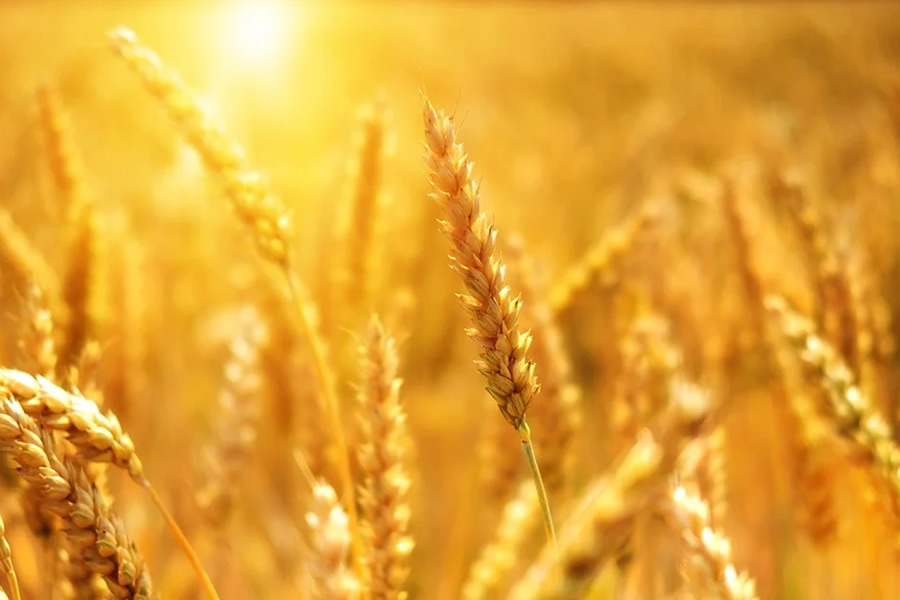
The Kingdom of Heaven Is at Hand
06-14-2026Weekly ReflectionWe Celebrate Worship Resource, Vol. 51, No. 2In today’s Gospel, Jesus immediately notes two things that the crowd around him lacks: laborers and a shepherd. He will provide for both. His disciples will be the laborers, and he himself will be their shepherd. Jesus sends the twelve apostles out to proclaim that the kingdom of heaven is at hand by curing the sick, raising the dead, cleansing lepers, and driving out demons. We are those laborers now. Right now, Jesus calls us to reveal the wonders of the kingdom by caring for the sick and dying, helping the poor and afflicted, finding the lost and accompanying the lonely. For the harvest is still abundant, overflowing with people in need of the Lord’s gentle comfort, compassion, and mercy. May those heartfelt qualities flow through us during the week ahead. Remember, without cost we have received both the gift of life from God and the gift of new life from Jesus—given to us on the cross. Now, without cost, we are to share those gifts with others.
How will you labor in the field this week to extend the Lord’s compassion and mercy, demonstrating that the kingdom of heaven is at hand?
El Reino de los Cielos está cerca
En el Evangelio de hoy, Jesús observa de inmediato dos cosas de las que carece la multitud que lo rodea: obreros y un pastor. Él proveerá ambas cosas. Sus discípulos serán los obreros, y Él mismo será su pastor. Jesús envía a los doce apóstoles a proclamar que el Reino de los Cielos está cerca, curando a los enfermos, resucitando a los muertos, purificando a los leprosos y expulsando demonios. Nosotros somos ahora esos obreros. En este preciso momento, Jesús nos llama a revelar las maravillas del Reino cuidando a los enfermos y moribundos, ayudando a los pobres y afligidos, buscando a los perdidos y acompañando a los solitarios. Pues la cosecha sigue siendo abundante, desbordante de personas necesitadas del tierno consuelo, la compasión y la misericordia del Señor. Que esas cualidades sinceras fluyan a través de nosotros durante la semana que comienza. Recuerden: gratuitamente hemos recibido tanto el don de la vida de parte de Dios como el don de la vida nueva de parte de Jesús —don que se nos entregó en la cruz—. Ahora, también gratuitamente, debemos compartir esos dones con los demás.
¿Cómo trabajarás en el campo esta semana para extender la compasión y la misericordia del Señor, demostrando que el reino de los cielos está cerca?
The Compassion of Jesus
06-14-2026Question of the WeekReading I: Requirements Of The Covenant At Sinai - Exodus 19:2-6a
Reading II: Sinners Saved By Christ - Romans 5:6-11
Gospel: The Compassion Of Jesus; Mission Of The Twelve - Matthew 9:36—10:8
Key Passage: Cure the sick, raise the dead, cleanse the lepers, cast out demons. You received without payment; give without payment. (Matthew 10:8)
Adults: What responsibility do you have to the less fortunate, and how actively are you meeting it?
Kids: In what ways can you be generous to others this week?
La Compasión De Jesús
Lectura I: Requisitos de la Alianza en el Sinaí - Éxodo 19:2-6a
Lectura II: Pecadores Salvados por Cristo - Romanos 5:6-11
Evangelio: La compasión de Jesús; Misión de los Doce - Mateo 9:36—10:8
Pasaje clave: Curen a los enfermos, resuciten a los muertos, limpien a los leprosos, expulsen a los demonios. Recibieron gratuitamente; den gratuitamente. (Mateo 10:8)
Adultos: ¿Qué responsabilidad tiene usted hacia los menos afortunados y cuán activamente la está cumpliendo?
Niños: ¿De qué maneras puedes ser generoso con los demás esta semana?
Bread for Others
06-07-2026Question of the WeekReading I: God's Care - Deuteronomy 8:2-3, 14b-16a
Reading II: The Eucharist vs. Pagan Sacrifices - 1 Corinthians 10:16-17
Gospel: The Living Bread - John 6:51-58
Key Passage: I am the living bread that came down from heaven. Whoever eats of this bread will live forever; and the bread that I will give for the life of the world is my flesh. (John 6:51)
Adults: What does it mean for you right now to be bread for others as Jesus was?
Kids: In what ways can Jesus' presence in the Eucharist help?
Pan para los demás
Lectura I: El cuidado de Dios - Deuteronomio 8:2-3, 14b-16a
Lectura II: La Eucaristía frente a los sacrificios paganos - 1 Corintios 10:16-17
Evangelio: El Pan de Vida - Juan 6:51-58
Pasaje clave: Yo soy el pan vivo que ha bajado del cielo. El que coma de este pan vivirá para siempre; y el pan que yo daré para la vida del mundo es mi carne. (Juan 6:51)
Adultos: ¿Qué significa para ti, en este momento, ser pan para los demás, tal como lo fue Jesús?
Niños: ¿De qué manera puede ayudarnos la presencia de Jesús en la Eucaristía?
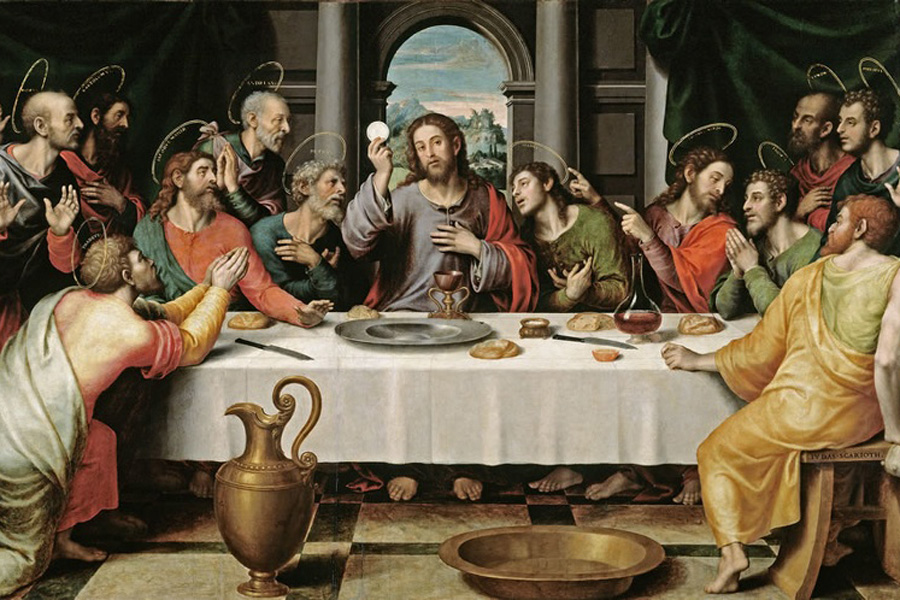
I Am the Living Bread
06-07-2026Weekly ReflectionWe Celebrate Worship Resource, Vol. 51, No. 2At the beginning of his Gospel, John writes that when Jesus was born, “the Word became flesh” (John 1:14), using “flesh” (sarx in Greek) to denote the totality of human nature. The Word, who is fully divine, becomes fully human as well. Today, we hear Jesus use the same word, telling the crowds that “My flesh is true food” and “Whoever eats my flesh...remains in me and I in him [or her]” (John 6:55, 56). When we receive the body of Christ in the Eucharist, we eat his flesh and enter into communion with him. This is what Paul is getting at in the part of his letter to the Corinthians we hear today. When we celebrate the Eucharist, we participate in the body of Christ. Moreover, in partaking of the body of Christ physically, Christians all over the world join in the spiritual body of Christ. He remains in us and we remain in him, participating in his body, which was crucified, died and was buried, and rose again to be with the Father. Consuming Christ’s flesh in the Eucharist, we are challenged to live out his self- sacrificing love through our bodies, our bodies that have been fortified with his.
How can you meet the challenge to live out Christ’s self-sacrificing love and mercy in the world?
Yo soy el Pan Vivo
Al comienzo de su Evangelio, Juan escribe que, cuando nació Jesús, “y aquel Verbo fue hecho carne” (Juan 1:14), utilizando el término “carne” (sarx en griego) para denotar la totalidad de la naturaleza humana. El Verbo, que es plenamente divino, se hace también plenamente humano. Hoy escuchamos a Jesús emplear esa misma palabra al decir a las multitudes: “Mi carne es verdadera comida” y “Quien come mi carne... permanece en mí y yo en él [o ella]” (Juan 6:55, 56). Cuando recibimos el cuerpo de Cristo en la Eucaristía, comemos su carne y entramos en comunión con él. Esto es precisamente a lo que alude Pablo en el pasaje de su carta a los Corintios que escuchamos hoy. Al celebrar la Eucaristía, participamos del cuerpo de Cristo. Es más, al participar físicamente del cuerpo de Cristo, los cristianos de todo el mundo se unen al cuerpo espiritual de Cristo. Él permanece en nosotros y nosotros permanecemos en él, participando de su cuerpo, el mismo que fue crucificado, murió, fue sepultado y resucitó para estar con el Padre. Al consumir la carne de Cristo en la Eucaristía, se nos desafía a vivir su amor de entrega y sacrificio a través de nuestros propios cuerpos; cuerpos que han sido fortalecidos con el suyo.
¿Cómo puedes afrontar el desafío de vivir el amor abnegado y la misericordia de Cristo en el mundo?