St. Francis of Assisi Weekly Reflections
Stay Awake!
11-30-2025Weekly ReflectionWe Celebrate Worship Resource, Vol. 49, No. 1Each Advent, we are reminded that Jesus comes into the world in a variety of ways at different times. The music and decorations remind us of Jesus' first coming-as an infant lying in a manger. The joyous event is foreseen by Isaiah in today's first reading. The prophet speaks of people from every nation gathering on the Lord's mountain, reforging their weapons of war into tools of farming and cultivating.
Jesus himself describes his second coming in the Gospel, warning his disciples that the time will be unknown, leading to some being ready while others are not. Saint Paul passes along much the same warning to the Romans, but it is his own story that points toward another coming of Jesus that we mark during Advent: Jesus coming into our hearts. As with his second coming, we cannot anticipate when it will happen.
As with his first coming, he brings joy and peace when he comes. Importantly, each time he comes he bring us something no one else can: salvation. Every day, every hour, let us welcome our Savior. Then we truly can go rejoicing to the house of the Lord.
What will you do to ensure that you will be ready for each arrival of Christ in your life?
-We Celebrate Worship Resource, Vol. 51, No. 1
¡estén Despiertos!
Cada Adviento, recordamos que Jesus viene al mundo de diversas maneras y en diferentes momentos. La musica y la decoración nos recuerdan su primera venida: como un nino en un pesebre. Isaías predice este gozoso acontecimiento en la primera lectura de hoy. El profeta habla de gente de todas las naciones que se reune en el monte del Senor, transformando sus armas de guerra en herramientas para la agricultura.
El mismo Jesús describe su segunda venida en el Evangelio, advirtiendo a sus discípulos que el momento será desconocido, lo que hará que algunos estén preparados y otros no. San Pablo transmite una advertencia similar a los Romanos, pero es su propia historia la que apunta a otra venida de Jesús que celebramos durante el Adviento: la venida de Jesus a nuestros corazones. Al igual que con su segunda venida, no podemos anticipar cuándo ocurrirá.
Al igual que con su primera venida, trae alegría y paz cuando viene. Y lo más importante, cada vez que viene nos trae algo que nadie más puede: la salvacion. Cada día, cada hora, demos la bienvenida a nuestro Salvador. Entonces sí podremos ir gozosos a la casa del Señor.
¿Qué harás para asegurarte de estar preparado para cada llegada de Cristo a tu vida?
-We Celebrate Worship Resource, Vol. 51, No. 1

Jesus, Remember Me...
11-23-2025Weekly ReflectionWe Celebrate Worship Resource, Vol. 49, No. 1Way back in March, on the first Sunday of Lent, we heard the Gospel passage in which Jesus prepared for his mission by spending forty days in the desert, where the devil tempted him three times. After failing twice, the devil led Jesus to the highest point in Jerusalem and said, "If you are the Son of God, throw yourself down from here" (Luke 4:9). As we hear today, while nailed to a cross high above the crowd on the hill of Golgotha, Jesus is tempted three more times with nearly the same words.
The rulers, the soldiers, and one of the criminals can't imagine anyone, let alone a king, who wouldn't do whatever he could to save his own life. Out of spite or ignorance, or in the criminal's case, selfishness, each misunderstands Jesus' mission. Jesus did not come to save us from pain or suffering or to rid the world of sin or evil. No, he came to offer love and mercy and forgiveness and the opportunity to follow him to a kingdom made just for us to dwell in eternally.
This is what the other criminal humbly asks for, and he receives it all, immediately and unconditionally. He alone recognized Jesus' innocence and his own sinfulness and seeks not that his own life be saved, but rather for life in the kingdom for which this unregal king is willing to die. Who are you willing to forgive this week, in imitation of the Lord, sowing the seeds of the kingdom and bringing a sort of paradise to someone else's heart?
-We Celebrate Worship Resource, Vol. 50, No. 3
Señor, Acuérdate De Mí
En marzo, en el primer domingo de Cuaresma, escuchamos el pasaje del Evangelio en el que Jesús se preparó para su misión pasando cuarenta días en el desierto, donde el diablo lo tentó tres veces. Tras dos intentos fallidos, el diablo lo llevó al punto más alto de Jerusalén y le dijo: "Si eres el Hijo de Dios, tírate de aquí abajo" (Lucas 4:9). Hoy escuchamos que, clavado en una cruz en lo alto del monte Gólgota, Jesús es tentado tres veces más con palabras casi idénticas.
Los gobernantes, los soldados y uno de los criminales no pueden imaginar a nadie, y mucho menos a un rey, que no haría lo posible por salvar su vida. Por rencor, ignorancia o, en el caso del criminal, por egoísmo, todos malinterpretan la misión de Jesús. Jesús no vino a salvarnos del dolor ni del sufrimiento, ni a librar al mundo del pecado ni del mal. No, el vino a ofrecer amor, misericordia, perdón y la oportunidad de seguirlo a un reino creado especialmente para nosotros, donde moraremos eternamente.
Esto es lo que el otro criminal pide humildemente, y lo recibe todo, de inmediato e incondicionalmente. Solo él reconoció la inocencia de Jesús y su propia pecaminosidad, y no busca salvar su propia vida, sino la vida en el reino por el cual este rey, esta dispuesto a morir. ¿A quién estás dispuesto a perdonar esta semana, imitando al Señor, sembrando las semillas del reino y llevando una especie de paraíso al corazón de otra persona?
-We Celebrate Worship Resource, Vol. 50, No. 3

The Sun of Justice
11-16-2025Weekly ReflectionWe Celebrate Worship Resource, Vol. 49, No. 1The readings we hear today are downright frightening. They look ahead to the end of the world, and it is not pretty. Jesus and the prophets each warn of the horrors of that day. "All the proud and all evildoers will be stubble, and the day that is coming will set them on fire" (Malachi 3:19). "There will be powerful earthquakes, famines, and plagues ... they will seize and persecute you ... they will put some of you to death" (Luke 21:11, 12, 16). But even as we hear this, we can take comfort in the fact that we remain pilgrims of hope, no matter the trials and tribulations that will come.
Our hope is anchored in the Lord, who is the resurrection and the life. Yes, there will be pain and suffering. Sometimes it will be so strong and so pervasive and unyielding that it may seem that the end of the world has come. But no matter what, a new day always dawn, and "there will arise the sun of justice with its healing rays." (Malachi 3:20) To those who live justly, who live as Jesus' disciples, "not a hair on your head will be destroyed" (Luke 21:18). Just as each of these readings ends on a note of hope, so will the pilgrimage of our lives and the life of the world.
When have you felt that your world was collapsing or that the world was falling apart? What gave you hope?
-We Celebrate Worship Resource, Vol. 50, No. 3
El Sol de la Justicia
Las lecturas de hoy son realmente aterradoras. Nos hablan del fin del mundo, y el panorama es desolador. Jesús y los profetas advierten de los horrores de aquel día. "Todos los orgullosos y malhechores seran como paja, y el día que viene los consumirá" (Malaquías 3:19). "Habrá grandes terremotos, epidemias y hambres ... los apresaran y los perseguirán ... a algunos los matarán" (Lucas 21:11, 12, 16). Pero aun al escuchar esto, podemos consolarnos sabiendo que seguimos siendo peregrinos de esperanza, sin importar las pruebas y tribulaciones que nos aguardan.
Nuestra esperanza está anclada en el Señor, quien es la resurrección y la vida. Sí, habrá dolor y sufrimiento. A veces será tan intenso, tan omnipresente e implacable que parecera que el fin del mundo ha llegado. Pero pase lo que pase, siempre amanece un nuevo día, y "brillará el sol de justicia, que les traerá la salvación" (Malaquías 3:20). A quienes viven con justicia, a quienes viven como discípulos de Jesús, "ni un cabello de la cabeza se caerá" (Lucas 21:18). Así como cada una de estas lecturas termina con una nota de esperanza, así también lo hara la peregrinacion de nuestras vidas y la vida del mundo.
¿En que ocasiones has sentido que tu mundo se derrumbaba o que el mundo se desmoronaba? ¿Qué te dio esperanza?
-We Celebrate Worship Resource, Vol. 50, No. 3

Lateran Basilica
11-09-2025Weekly ReflectionWe Celebrate Worship Resource, Vol. 50, No. 3In today’s first reading, Ezekiel relates his vision of a remarkable temple, built in a restored Jerusalem. The water flowing from this temple miraculously makes salt water fresh. By his description, his audience knew he was speaking of the Dead Sea, whose toxic waters cannot support any life visible to the naked eye. But in Ezekiel’s vision, the temple’s water purifies this sea, enabling trees on its banks to grow and bear fruit, bringing life to what is literally called “dead”. His vision symbolizes a life-giving waters of baptism that flow from all churches. Those waters have certainly flowed from the Lateran Basilica, which was built in 324 CE—soon after Emperor Constantine legalized Christianity—and is regarded as the mother church of all churches in the world. In today’s Gospel, Jesus takes it one step further when he refers to his body as a temple, the dwelling place of God, which God will raise to new life in the Resurrection. Paul tells the church at Corinth that they are God’s building, for the Holy Spirit dwells in them. So too are we temples of God, dedicated in baptism to glorifying the Holy Spirit flowing out from us.
How can what you say and what you do bring life to those around you, like the life-giving waters that flow from the temple in Ezekiel’s vision?
Basilica de Letrán
En la primera lectura de hoy, Ezequiel relata su visión de un templo extraordinario, construido en una Jerusalén restaurada. El agua que fluye de este templo convierte milagrosamente el agua salada en agua dulce. Por su descripción, su audiencia sabía que hablaba del Mar Muerto, cuyas aguas tóxicas no pueden sustentar ninguna vida visible a simple vista. Pero en la visión de Ezequiel, el agua del templo purifica este mar, permitiendo que los árboles en sus orillas crezcan y den fruto, dando vida a lo que literalmente se llama "muerto". Su visión simboliza las aguas vivificantes del bautismo que fluyen de todas las iglesias. Ciertamente, esas aguas fluyeron de la Basílica de Letrán, construida en el año 324 d. C., poco después de que el emperador Constantino legalizara el cristianismo, y considerada la iglesia madre de todas las iglesias del mundo. En la lectura de hoy, Jesús va un paso más allá al referirse a su cuerpo como un templo, la morada de Dios, que Dios resucitará a una nueva vida en la Resurrección. Pablo les dice a los corintios que son edificio de Dios, porque el Espíritu Santo habita en ellos. Así también nosotros somos templos de Dios, consagrados en el bautismo a glorificar al Espíritu Santo que emana de nosotros.
¿Cómo pueden tus palabras y acciones dar vida a quienes te rodean, como las aguas vivificantes que fluyen del templo en la visión de Ezequiel?

Hope Does Not Disappoint
11-02-2025Weekly ReflectionWe Celebrate Worship Resource, Vol. 49, No. 1On this day when we remember in a special way all those who have died, let us also reflect on the theme of this Jubilee Year: Pilgrims of Hope. Our lives are a pilgrimage and because of our faith in a God who loves us, forgives us, and saved us, we are able to remain ever hopeful; for ourselves and for all.
We are hopeful because we believe that our pilgrimage through life does not end in death but in eternal life with the Lord. To those who cannot see past this life here on earth, death is truly an "affliction," an "utter destruction" (Wisdom 3:2-3). Though we surely grieve at the passing of loved ones, for we feel a tremendous sense of loss, we console each other with our trust that God has prepared a home for our loved ones and for us and will raise us all on the last day.
This gives us hope, precious hope, which "does not disappoint" (Romans 5:5). We do not know, we cannot know, what the future holds for us, but our hope in eternal life in God's kingdom can reassure us as we struggle through the tragedies and hardships of life, particularly the suffering and grief that come with death itself.
How does hope help you cope with pain, suffering, and grief?
-We Celebrate Worship Resource, Vol. 50, No. 3
La Esperanza No Desilusiona
En este día, en que recordamos de manera especial a todos los fallecidos, reflexionemos tambien sobre el tema de este Año Jubilar: Peregrinos de la Esperanza. Nuestras vidas son una peregrinación y, gracias a nuestra fe en un Dios que nos ama, nos perdona y nos salva, podemos mantener siempre la esperanza; por nosotros mismos y por todos.
Tenemos esperanza porque creemos que nuestro peregrinar por la vida no termina en la muerte, sino en la vida eterna con el Señor. Para quienes no pueden ver más allá de esta vida terrenal, la muerte es una verdadera "aflicción", una "perdición total" (Sabiduría 3:2-3). Aunque sin duda lamentamos la pérdida de seres queridos, pues sentimos una tremenda sensación de pérdida, nos consolamos mutuamente con la confianza de que Dios ha preparado un hogar para nuestros seres queridos y para nosotros, y que nos resucitará a todos en el último día.
Esto nos da esperanza, una preciosa esperanza que "no defrauda" (Romanos 5:5). No sabemos, no podemos saber, qué nos depara el futuro, pero nuestra esperanza en la vida eterna en el reino de Dios puede tranquilizarnos mientras luchamos contra las tragedias y dificultades de la vida, particularmente el sufrimiento y el dolor que vienen con la muerte misma.
¿Cómo ayuda la esperanza a afrontar el dolor, el sufrimiento y la pena?
-We Celebrate Worship Resource, Vol. 50, No. 3
Humble in Prayer
10-26-2025Weekly ReflectionWe Celebrate Worship Resource, Vol. 49, No. 1The Pharisee in Jesus' parable is a righteous and admirable man: honest, generous, and faithful to his spouse. But he has a great flaw, one that he is unable to see, but one that Jesus hints at when he tells us that the Pharisee begins his prayer by saying, "O God, I thank you that I am not like the rest of humanity" (Luke 18:11).
His entire prayer is about how good he is, how much better he is than everyone around him, not about how dependent he is on God's mercy. And therein is his flaw: his pride deludes him into thinking that he has no need for God. As we hear in the first reading and the psalm, God is especially attentive to those in need: the oppressed, the widow, the orphan, the poor, the lowly, and the brokenhearted.
Jesus himself became poor to share in our humanity. The Pharisee mistakenly believes that it is his own strength and will that elevate him above everyone else, that keep him from being poor and needy. The tax collector recognized his dependence on God; the Pharisee feels dependent on no one but himself. Only the former has the humility to plead for God's mercy, to embrace the way to salvation.
How do you keep a true sense of humility? Do you acknowledge your humility when you pray? -We Celebrate Worship Resource, Vol. 50, No. 3
Humilde en la oración
EI fariseo de la parabola de Jesus es un hombre justo y admirable: honesto, generoso y fiel a su esposa. Pero tiene un gran defecto, uno que no ve, pero que Jesús insinua cuando nos dice que el fariseo comienza su oración diciendo: «Oh Dios, te doy gracias porque no soy como el resto de la humanidad» (Lucas 18:11).
Toda su oración se centra en lo bueno que es, en lo mucho mejor que es que todos los que lo rodean, no en su dependencia de la misericordia de Dios. Y ahí reside su defecto: su orgullo lo engaña al pensar que no necesita a Dios. Como escuchamos en la primera lectura y el salmo, Dios está especialmente atento a los necesitados: los oprimidos, las viudas, los huérfanos, los pobres, los humildes y los que tienen el corazón roto.
Jesús mismo se hizo pobre para compartir nuestra humanidad. El fariseo cree erroneamente que es su propia fuerza y voluntad lo que lo eleva por encima de todos los demás, lo que le impide ser pobre y necesitado. El publicano reconoció su dependencia de Dios; el fariseo no se siente dependiente de nadie más que de sí mismo. Solo el primero tiene la humildad de implorar la misericordia de Dios y de aceptar el camino de la salvación.
¿Como mantienes un verdadero sentido de humildad? ¿Reconoces tu humildad al orar?
-We Celebrate Worship Resource, Vol. 50, No. 3
Persistent in Prayer
10-19-2025Weekly ReflectionWe Celebrate Worship Resource, Vol. 49, No. 1Eventually, we all grow weary. Whether we're working out at the gym, standing on our feet all day at work, or just trying to get through to a live customer service representative, we reach a point when we simply can't go on. Moses tires of keeping his staff raised up. It sounds like Timothy may be exhausted with reprimanding those who aren't listening. The dishonest judge in Jesus' parable clearly grows exasperated with the bothersome widow. Jesus' lesson is clear: be persistent in doing what is truly important.
For Moses, it is defeating the enemy who attacked the Chosen People. For Timothy, it is persuading and correcting the people of his community. For the widow, it is seeking justice. For Jesus' disciples, it is enduring in prayer. Moses found support-literally-from Aaron and Hur, while Timothy received encouragement from Paul, showing that we can ask for assistance when we grow tired ourselves.
The widow may have had no one to help her, but she was tenacious because she likely would have been undone by a ruling against her. We need the same tenacity in praying to God, Jesus tells us. After all, even the Son of God constantly prays to the Father. Let us take Paul's words to heart: "Be persistent whether it is convenient or inconvenient" (2 Timothy 4:2). And may we recognize that for our entire lives, God has persisted with us.
When have your persisted in prayer? How can you be part of the response to someone else's persistent prayer?
-We Celebrate Worship Resource, Vol. 50, No. 3
Persistentes en Oración
Con el tiempo, todos nos cansamos. Ya sea que estemos entrenando en el gimnasio, de pie todo el día en el trabajo o simplemente intentando comunicarnos con un representante de atención al cliente, llegamos a un punto en el que simplemente no podemos más. Moisés se cansa de mantener su bastón en alto. Parece que Timoteo está agotado de reprender a quienes no escuchan. El juez deshonesto de la parábola de Jesús claramente se exaspera con la viuda molesta. La lección de Jesús es clara: ser persistente en hacer lo que realmente importa.
Para Moisés, es derrotar al enemigo que atacó al Pueblo Elegido. Para Timoteo, es persuadir y corregir a la gente de su comunidad. Para la viuda, es buscar justicia. Para los discípulos de Jesús, es perseverar en la oración. Moisés encontro apoyo, literalmente, en Aaron y Hur, mientras que Timoteo recibió ánimo de Pablo, demostrando que podemos pedir ayuda cuando nos cansamos.
La viuda puede que no tuviera a nadie que la ayudara, pero fue tenaz porque probablemente se habría visto arruinada por un fallo en su contra. Necesitamos la misma tenacidad al orar a Dios, nos dice Jesus. Después de todo, incluso el Hijo de Dios ora constantemente al Padre. Tomemos en serio las palabras de Pablo: "Persevera, sea conveniente o inconveniente" (2 Timoteo 4:2). Y reconozcamos que, durante toda nuestra vida, Dios ha perseverado con nosotros.
¿Cuando has perseverado en la oracion? ¿Como puedes ser parte de la respuesta a la oracion persistente de otra persona?
-We Celebrate Worship Resource, Vol. 50, No. 3

Grace Received, Gratitude Returned
10-12-2025Weekly ReflectionWe Celebrate Worship Resource, Vol. 50, No. 1The word that runs through today's readings is gratitude. The Arameans king Naaman is cured of his leprosy when he follows the word of Elisha the prophet, to whom he returns to give thanks and offer a gift. Jesus cleanses ten lepers while traveling through Samaria , but only one of them returns to thank him. Naaman's gratitude leads him to bring two mule-loads of earth back home to Aram so that he can offer sacrifice to the LORD at home.
The Samaritan's gratitude leads him to glorify God loudly and publicly. The word gratitude comes from Latin word gratus, from which is also derived the word grace. God's grace is freely offered to us, not for anything good that we have done, but simply out of the infinite love God has for us. Significantly, -- one more etymological lesson here-the word for gratitude in Greek is euchariston; this is the word Luke uses in this passage.
When we receive the Eucharist, we are giving thanks to God: to Jesus for offering himself for our salvation; to the Father for sending the Son, allowing him to die for our sins, and raising him to eternal life. May we, unclean with sin, receive the Lord in gratitude, then go forth to glorify God by our lives.
-We Celebrate Worship Resource, Vol. 50, No. 71
Gracia Recibida, Gratitud Devuelta
La palabra que recorre las lecturas de hoy es gratitud. El rey arameo Naamán es curado de su lepra cuando sigue la palabra de Eliseo el profeta, a quien regresa para dar gracias y ofrecer un regalo. Jesus limpia a diez leprosos mientras viaja por Samaria, pero solo uno de ellos regresa para darle las gracias. La gratitud de Naaman lo lleva a traer a casa dos cargas de tierra para poder ofrecer sacrificio al SEÑOR en su hogar.
La gratitud del samaritano lo lleva a glorificar a Dios en voz alta y publicamente. La palabra gratitud proviene del latín gratus, del cual también se deriva la palabra gracia. La gracia de Dios se nos ofrece gratuitamente, no por algo bueno que hayamos hecho, sino simplemente por el amor infinito que Dios nos tiene. Significativamente, -una lección etimológica más aquí- la palabra para gratitud en griego es euchariston; esta es la palabra que Lucas usa en este pasaje.
Cuando recibimos la Eucaristía, estamos dando gracias a Dios: a Jesús por ofrecerse a sí mismo por nuestra salvacion; al Padre por enviar al Hijo, permitiendole morir por nuestros pecados y resucitarlo a la vida eterna. Que nosotros, impuros por el pecado, recibamos al Señor con gratitud, y luego salgamos a glorificar a Dios con nuestras vidas.
-Celebramos Recurso de Adoración, Vol. 50, No. 71
Increase Our Faith
10-05-2025Weekly ReflectionWe Celebrate Worship Resource, Vol. 49, No. 1Destruction. Violence. Strife. Clamorous discord. The words of Habakkuk from around 600 BCE sound as though they could have been written in our era. What can be done? The Lord answered Habakkuk, assuring him that "the just one, because of (their) faith, shall live" (2:4). Our faith in God is key, allowing us, like the Israelites of the first reading, to see past the calamities around us.
Faith, even the size of a tiny mustard seed, can allow us to do great things. If faith can uproot a mulberry, a tree with an extensive root system, it can also uproot prejudice, racism, sexism, greed, hate, and all the societal evils with such twisted roots that they affect our individual attitudes and actions each day even though we cannot see them.
Faith, therefore, enables us to have hope-to be pilgrims of hope-to reveal victories over evils, meaning in suffering, salvation from sin. We do this when we embrace the mission Jesus left his disciples, preaching the gospel in word and deed, serving those in need, and bearing our share of hardships, as Saint Paul encourage Timothy to continue to do. As Jesus tell his disciples in the Gospel, this is what we are obliged to do.
As a pilgrim of hope, how do you offer hope to those discouraged or victimized by the evils and miseries of our era?
-We Celebrate Worship Resource, Vol. 50, No. 68mahi
Aumenta Nuestra Fe
Destrucción. Violencia. Conflictos. Discordia clamorosa. Las palabras de Habacuc, de alrededor del año 600 a. C., parecen escritas en nuestra época. ¿Qué podemos hacer? El Señor le respondió a Habacuc, asegurándole que «el justo, por su fe, vivirá» (2:4). Nuestra fe en Dios es clave, pues nos permite, como a los israelitas de la primera lectura, ver más allá de las calamidades que nos rodean.
La fe, incluso del tamano de una diminuta semilla de mostaza, nos permite hacer grandes cosas. Si la fe puede arrancar una morera, un árbol con un extenso sistema de raíces, también puede arrancar el prejuicio, el racismo, el sexismo, la codicia, el odio y todos los males sociales con raíces tan retorcidas que afectan nuestras actitudes y acciones individuales cada día, aunque no las veamos.
La fe, por lo tanto, nos permite tener esperanza -ser peregrinos de esperanza-, revelar victorias sobre los males, es decir, en el sufrimiento, la salvación del pecado. Lo hacemos cuando abrazamos la misión que Jesús dejó a sus discípulos: predicar el evangelio con palabras y obras, servir a los necesitados y compartir nuestras dificultades, como San Pablo anima a Timoteo a seguir haciendo. Como Jesús les dice a sus discípulos en el Evangelio, esto es lo que estamos obligados a hacer.
Como peregrino de la esperanza, ¿cómo ofreces esperanza a aquellos desanimados o víctimas de los males y miserias de nuestra era?
-We Celebrate Worship Resource, Vol. 50, No. 68

No Servant Can Serve Two Masters
09-21-2025Weekly ReflectionWe Celebrate Worship Resource, Vol. 49, No. 1The dishonest steward in Jesus' parable is no hero. He does not use the talents he is given to earn more or to forgive the debts of a person in dire straits. No, he discounts the debts of his master's debtors because soon he will be out of a job and looking for help from them.
He is a wily and self-centered manipulator who cannot be trusted with his master's wealth, cannot be trusted with his own wealth, and cannot be trusted with what Jesus calls true wealth. True wealth, as Jesus hints in the final verse, is found in the kingdom of heaven. It is not money, or assets, or the accumulation of material possessions.
In fact, it is neither material nor a possession. True wealth is spiritual; it is a share in what is God's. Jesus himself gives us a model to follow when he places all his "wealth" in the service of others, whether feeding the thousands, healing the sick, or suffering for us all. This is how we serve God, not mammon.
How can you be a prudent steward of your material possessions, aware that true wealth is found in God?
-We Celebrate Worship Resource, Vol. 50, No. 3
No Hay Criado Que Pueda Servidor a Dos Amos
El mayordomo deshonesto de la parábola de Jesús no es un heroe. No usa los talentos que recibe para ganar mas ni para perdonar las deudas de alguien en apuros. Al contrario, descuenta las deudas de los deudores de su amo porque pronto se quedará sin trabajo y les pedirá ayuda.
Es un manipulador astuto y egocentrico a quien no se le puede confiar la riqueza de su amo, ni la suya propia, ni lo que Jesús llama verdadera riqueza. La verdadera riqueza, como Jesús insinua en el versículo final, se encuentra en el reino de los cielos. No es dinero, ni bienes, ni la acumulación de posesiones materiales.
De hecho, no es material ni una posesión. La verdadera riqueza es espiritual; es una parte de lo que es de Dios. Jesus mismo nos da un modelo a seguir cuando pone toda su riqueza al servicio de los demas, ya sea alimentando a miles, sanando a los enfermos o sufriendo por todos nosotros. Así es como servimos a Dios, no a Mammón.
¿Como podemos ser administradores prudentes de nuestras posesiones materiales, conscientes de que la verdadera riqueza se encuentra en Dios?
-We Celebrate Worship Resource, Vol. 50, No. 3
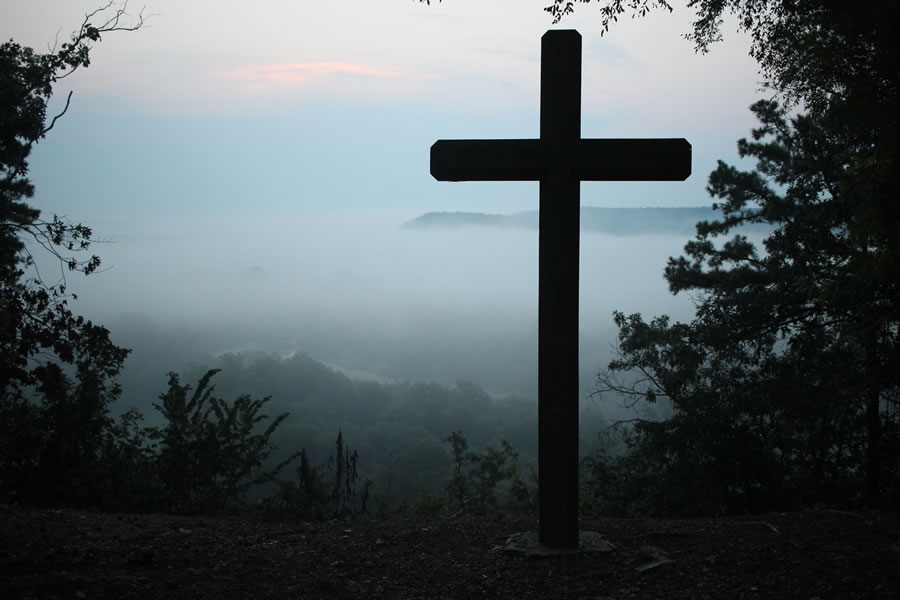
Are You Embracing Your Cross?
09-14-2025Weekly ReflectionWe Celebrate Worship Resource, Vol. 49, No. 1Since the seventh century CE, Christians have celebrated a feast on this date to commemorate the cross that Jesus made holy by his exaltation. Before his crucifixion, a cross would have been the most unlikely of religious symbols. But Jesus transformed the cross from an object of torture and humiliation to one of triumph and salvation.
In this feast's first reading, God directs Moses to mount a bronze serpent on a pole and lift it up so that all those who had been punished with lethal snakebites could look up to it and live. Jesus recalls this event when he tells Nicodemus that he too would be lifted up and that those who look to him would have eternal life.
Note that the bronze serpent did not prevent venomous snakebites to begin with, but it restored life to those who had been bitten. We still suffer when we carry our crosses, but Jesus brings new life to those who look to him on the cross, willingly embrace their own cross, and place their faith in God's plan of salvation.
When do you look to Jesus' acceptance of his cross as an example of how you should do the same?
-We Celebrate Worship Resource, Vol. 50, No. 3
Y Tu, ¿aceptas tu cruz?
Desde el siglo VII d. C., los cristianos celebran una fiesta en esta fecha para conmemorar la cruz que Jesús santifico con su exaltacion. Antes de su crucifixión, una cruz habría sido el símbolo religioso más improbable. Pero Jesús transformo la cruz de objeto de tortura y humillacion en objeto de triunfo y salvación.
En la primera lectura de esta fiesta, Dios le ordena a Moises que monte una serpiente de bronce sobre un asta y la levante para que todos los castigados con mordeduras letales de serpiente pudieran contemplarla y vivir. Jesús recuerda este acontecimiento cuando le dice a Nicodemo que él tambien sería elevado y que quienes lo contemplaran tendrían vida eterna.
Cabe destacar que la serpiente de bronce no evitó las mordeduras de serpientes venenosas, pero devolvió la vida a quienes las habían sufrido. Aun sufrimos al cargar con nuestras cruces, pero Jesus trae nueva vida a quienes lo contemplan en la cruz, aceptan voluntariamente su propia cruz y confían en el plan de salvacion de Dios.
¿Cuando consideras que la aceptacion de la cruz por parte de Jesús es un ejemplo de cómo deberías hacer lo mismo?
-We Celebrate Worship Resource, Vol. 50, No. 3
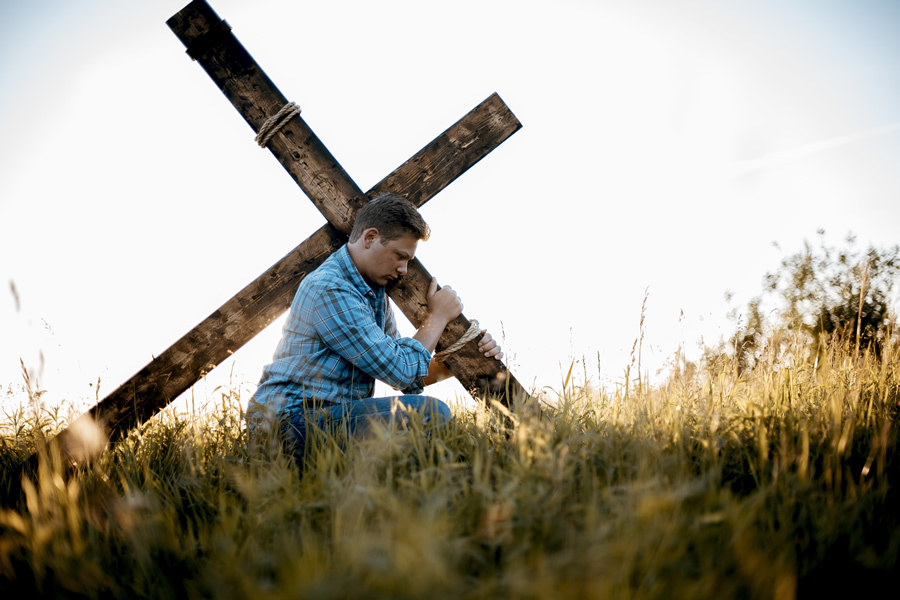
Take Up Your Cross and Follow Me
09-07-2025Weekly ReflectionWe Celebrate Worship Resource, Vol. 49, No. 1A single word in today's Gospel make its lesson difficult to accept. Jesus tells the crowds that no one can be his disciple without first hating all their own family members. How could Jesus, who had just taught them to love their own neighbor, say such a thing? Bible scholars suspect that Jesus may be employing Semitic exaggeration here, choosing an overly strong word instead of renouncing or refusing.
Jesus' lesson is that discipleship demands total commitment: a willingness to carry one's cross, to renounce one's possessions, to put Jesus first. After all, the first disciple left their families to follow Jesus, sharing in his ministry and becoming his family. In the second reading, Saint Paul, having converted Philemon and then his runaway slave Onesimus, urges Philemon to accept Onesimus, not as a slave, but as a brother in Christ, serving the gospel rather than himself.
As his disciples now, we too are called to put Christ first, even as we serve our neighbor, our spouse, our parent. Loving our family is great, but building up the kingdom of God is greater. Participating in this mission as Jesus' disciple is our most important calling.
When should you renounce or sacrifice in order to share in Christ's mission more fully?
-We Celebrate Worship Resource, Vol. 50, No. 3
Toma Tu Cruz Y Sígueme
Una sola palabra en el Evangelio de hoy dificulta la comprensión de su lección. Jesus les dice a las multitudes que nadie puede ser su discípulo sin odiar primero a todos sus familiares. ¿Cómo pudo Jesús, quien acababa de enseñarles a amar al projimo, decir algo así? Los estudiosos de la Biblia sospechan que Jesús podría estar empleando una exageración semítica, eligiendo una palabra demasiado fuerte en lugar de renunciar o negarse.
La lección de Jesús es que el discipulado exige un compromiso total: la disposicion a cargar la cruz, a renunciar a las posesiones, a poner a Jesús en primer lugar. Después de todo, el primer discípulo dejó a sus familias para seguir a Jesús, compartiendo su ministerio y convirtiendose en su familia. En la segunda lectura, san Pablo, tras haber convertido a Filemón y luego a su esclavo fugitivo Onésimo, insta a Filemón a aceptar a Onesimo no como esclavo, sino como hermano en Cristo, sirviendo al evangelio antes que a sí mismo.
Como discípulos suyos ahora, tambien estamos llamados a poner a Cristo en primer lugar, incluso al servir a nuestro prójimo, a nuestro cónyuge, a nuestros padres. Amar a nuestra familia es grandioso, pero edificar el reino de Dios es aun mayor. Participar en esta misión como discípulos de Jesús es nuestro llamado más importante.
¿Cuando debemos renunciar o sacrificarnos para participar más plenamente en la misión de Cristo?
-We Celebrate Worship Resource, Vol. 50, No. 3