St. Francis of Assisi Weekly Reflections
David's Mercy and Jesus' Teaching: A Reflection on Compassion
02-23-2025Weekly ReflectionWe Celebrate Worship Resource, Vol. 49, No. 1Long before Jesus taught his disciples to turn the other cheek, David did just that. In the first reading, we hear that Saul raises an army of three thousand to find David and kill him. Sneaking into the king’s camp at night, David has the opportunity to kill Saul as he sleeps. But he spares his enemy’s life. Though we may applaud this virtue, we may find it difficult to put into practice. We want to fight back, to seek retribution, to respond in kind to those who’ve hurt us.
It would be instructive to recall what had set Saul against David in the first place. David had slain Goliath, defeating the Philistines, but upstaging Saul and his entire army. It was said that an evil spirit then came over Saul, inflaming him with jealousy. Whether or not David realizes this, even after Saul tries to kill him (and this isn’t the first time), he treats him as a human being, a child of God, not as a monster. David treats Saul with mercy, as Jesus asks his disciples to do many centuries later, as he asks us to do now.
When do you find it difficult to respond to someone with mercy? How will you change that tendency in the future?
—WeCelebrate Worship Resource, Vol. 50, No. 1
La misericordia de David y la enseñanza de Jesús: una reflexión sobre la compasión
Mucho antes de que Jesús enseñara a sus discípulos a poner la otra mejilla, David hizo precisamente eso. En la primera lectura, escuchamos que Saúl reúne un ejército de tres mil personas para encontrar a David y matarlo. David se infiltra en el campamento del rey por la noche y tiene la oportunidad de matar a Saúl mientras duerme, pero le perdona la vida a su enemigo. Aunque podemos aplaudir esta virtud, puede resultarnos difícil ponerla en práctica. Queremos contraatacar, buscar venganza, responder de la misma manera a quienes nos han hecho daño.
Sería instructivo recordar lo que había puesto a Saúl contra David en primer lugar. David había matado a Goliat, derrotando a los filisteos, pero eclipsando a Saúl y a todo su ejército. Se dice que un espíritu maligno se apoderó de Saúl y lo enardeció de celos. Ya sea que David se dé cuenta o no de esto, incluso después de que Saúl intenta matarlo (y esta no es la primera vez), lo trata como un ser humano, un hijo de Dios, no como un monstruo. David trata a Saúl con misericordia, como Jesús pide a sus discípulos que hagan muchos siglos después, y como nos pide a nosotros que hagamos ahora.
¿Cuándo te resulta difícil responder a alguien con misericordia? ¿Cómo cambiarás esa tendencia en el futuro?
—WeCelebrate Worship Resource, Vol. 50, No. 1

Blessed Are They Who Hope in the Lord
02-16-2025Weekly ReflectionWe Celebrate Worship Resource, Vol. 49, No. 1Luke’s version of the Beatitudes, unlike Matthew’s, includes both sides of the coin. Yes, blessed are those who are poor (not only poor in heart, but literally poor), hungry, weeping, or derided for their faith. But Jesus explicitly states the opposite as well: Woe to those who are rich, well-fed, happy, or spoken well of, because none of this will last.
In doing so, he echoes what Jeremiah proclaimed and the psalmist sang. While we love to see blessings come to those who are unfortunate, must it seemingly be at the expense of those who are doing well? Why should anyone hunger? The truth is that no one need hunger in the kingdom that Jesus brings. But accepting the kingdom means admitting our dependence on God. Even if we are doing well, we must reject the notion that we can do it all ourselves, that we have no need for God.
Recall, Jesus was sent to those who needed him: sinners in need of redemption, outcasts in need of acceptance, people beset by disabilities or demons in need of hope. Let us realize our need for the kingdom by helping it flower in our midst: sharing what we have with the poor and hungry, giving hope and laughter to those who are down, befriending the outcasts among us.
How are you reminded of your dependence on God? When have you been in need of God’s blessings?
—We Celebrate Worship Resource, Vol. 50, No. 1
Dichosos Los Que Confían en El Señor
La versión de Lucas de las bienaventuranzas, a diferencia de la de Mateo, incluye ambas caras de la moneda. Sí, bienaventurados los pobres (no sólo de corazón, sino literalmente pobres), los que tienen hambre, los que lloran o son ridiculizados por su fe. Pero Jesús también afirma explícitamente lo contrario: ¡Ay de los ricos, los que están bien alimentados, los que son felices o de los que se habla bien de ellos, porque nada de esto durará!
Al hacerlo, se hace eco de lo que proclamó Jeremías y cantó el salmista. Si bien nos encanta ver que las bendiciones llegan a los desafortunados, ¿tiene que ser aparentemente a expensas de los que están bien? ¿Por qué alguien debería tener hambre? La verdad es que uno solo necesita tener hambre en el reino que trae Jesús. Pero aceptar el reino significa admitir nuestra dependencia de Dios. Incluso si nos va bien, debemos rechazar la noción de que podemos hacerlo todo nosotros mismos, de que no tenemos necesidad de Dios.
Recordemos que Jesús fue enviado a quienes lo necesitaban: pecadores que necesitaban redención, marginados que necesitaban aceptación, personas acosadas por discapacidades o demonios que necesitaban esperanza.
Reconozcamos nuestra necesidad del reino ayudándolo a florecer en medio de nosotros: compartiendo lo que tenemos con los pobres y hambrientos, dando esperanza y risas a los que están deprimidos, haciéndonos amigos de los marginados entre nosotros.
¿Qué circunstancias te recuerdan que dependes de Dios? ¿Cuándo has necesitado las bendiciones de Dios?
—We Celebrate Worship Resource, Vol. 50, No. 1

I Am A Sinful Man
02-09-2025Weekly ReflectionWe Celebrate Worship Resource, Vol. 49, No. 1Have you ever had the experience of trying to avoid someone because of something you did or failed to do?
When you accidentally run into them, as you inevitably will, you feel uncomfortable and apologetic. What if that someone is God? As we are all sinners, this inner discomfort is a sure sign of being in the presence of God.
Today we hear of three people who have that reaction to God’s presence. “Woe is me!” Isaiah cries when he realizes he sees the Lord (6:5). Saul has actively persecuted the church, so he has every reason to fear a confrontation with Jesus. Simon falls to his knees, saying, “Depart from me, Lord, for I am a sinful man” (Luke 5:8). Each of them wishes they were anywhere else but where they are. In each case, God responds with two things: reassurance and an offer.
After an angel removes Isaiah’s sin, he hears God ask, “Whom shall I send?” (Isaiah 6:8). Saul receives God’s grace and a call to be an apostle to the Gentiles. Jesus tells Simon not to be afraid, but that he would now be catching disciples, not fish. Even though they all immediately recognized their sinfulness when in the presence of the One who would judge them, just as quickly they received forgiveness and accepted the opportunity to serve God.
When you are in the presence of the Lord, as you are right now, do you feel unworthy? Can you sense God’s forgiveness and God’s call?
—WeCelebrate Worship Resource, Vol. 50, No. 1
Soy Un Pecador
¿Alguna vez has tenido la experiencia de tratar de evitar a alguien por algo que hiciste o dejaste de hacer?
Cuando te topas con esa persona por accidente, como suele suceder, te sientes incómodo y pides disculpas. ¿Y si esa persona es Dios? Como todos somos pecadores, esta incomodidad interior es una señal segura de que estamos en la presencia de Dios. Hoy escuchamos de tres personas que tienen esa reacción ante la presencia de Dios. "¡Ay de mí!", clama Isaías cuando se da cuenta de que ve al Señor (6:5). Saulo ha perseguido activamente a la iglesia, por lo que tiene todas las razones para temer una confrontación con Jesús. Simón cae de rodillas y dice: "Apártate de mí, Señor, porque soy un hombre pecador" (Lucas 5:8). Cada uno de ellos desearía estar en cualquier otro lugar menos donde estaban. En cada caso, Dios responde con dos cosas: tranquilidad y una oferta.
Después de que un ángel quita el pecado de Isaías, escucha a Dios preguntar: "¿A quién enviaré?" (Isaías 6:8). Saulo recibe la gracia de Dios y el llamado a ser apóstol de los gentiles. Jesús le dice a Simón que no tenga miedo, pero que ahora estaría pescando discípulos, no peces. Aunque todos reconocieron inmediatamente su pecado cuando estuvieron en presencia de Aquel que los juzgaría, con la misma rapidez recibieron el perdón y aceptaron la oportunidad de servir a Dios.
Cuando estás en la presencia del Señor, como lo estás ahora mismo, ¿te sientes indigno? ¿Puedes sentir el perdón de Dios y Su llamado?
—WeCelebrate Worship Resource, Vol. 50, No. 1

Behold Your Salvation
02-02-2025Weekly ReflectionWe Celebrate Worship Resource, Vol. 49, No. 1Today's feast commemorates the day Mary and Joseph brought their firstborn son to the temple in Jerusalem to consecrate him to God. Forty days after his birth, in accordance with Mosaic Law, this visit was his very first time in the temple. It also was the first opportunity for other worshipers to encounter him.
Of the scores of faithful who would have been there that day, Luke tells us that two devout, elderly people realized whom they were seeing. Simeon, guided by the Holy Spirit, held the baby Jesus in his arms and proclaimed that in that baby boy he had seen salvation. Anna, a prophet who spent day and night praying and fasting in the temple, immediately went out to share that the redemption of Jerusalem was at hand. As far as we know, no one else in the temple that day realized that the Messiah, the Son of God, was among them, that “suddenly there [had] come to the temple the Lord whom you seek.” (Malachi 3:1)
Do we realize that the Lord whom we seek is here right now and that we can encounter him as we worship today much as Anna and Simeon did so many years ago? How do you recognize the Lord here today and how will you proclaim your encounter with him?
—We Celebrate Worship Resource, Vol. 50, No. 1
Heaquí Tu Salvación
La fiesta de hoy conmemora el día en que María y José llevaron a su hijo primogénito al templo de Jerusalén para consagrarlo a Dios. Cuarenta días después de su nacimiento, según la ley mosaica, esta visita fue la primera vez que estuvo en el templo. También fue la primera oportunidad para que otros adoradores lo encontraran.
De las decenas de fieles que habrían estado allí ese día, Lucas nos dice que dos personas mayores y devotas se dieron cuenta de a quién estaban viendo. Simeón, guiado por el Espíritu Santo, sostuvo al niño Jesús en sus brazos y proclamó que en ese niño había visto la salvación. Ana, una profetisa que pasaba día y noche orando y ayunando en el templo, salió inmediatamente a compartir que la redención de Jerusalén estaba cerca. Hasta donde sabemos, nadie más en el templo ese día se dio cuenta de que el Mesías, el Hijo de Dios, estaba entre ellos, que “De improviso entrará en el santuario el Señor, a quien ustedes buscan.” (Malaquías 3:1)
¿Nos damos cuenta de que el Señor a quien buscamos está aquí ahora mismo y que podemos encontrarlo cuando lo adoramos hoy, tal como lo hicieron Ana y Simeón hace tantos años? ¿Cómo reconoces al Señor aquí hoy y cómo proclamarás tu encuentro con él?
—We Celebrate Worship Resource, Vol. 50, No. 1
Today the Scripture Passage is Fulfilled
01-26-2025Weekly ReflectionWe Celebrate Worship Resource, Vol. 49, No. 1Today we hear of two episodes much like the one we ourselves experience in person today: A congregation gathers to listen to someone read from scripture. In the first reading, Ezra unrolls the scroll that contains the Torah and holds the crowd enraptured for half a day as he reads and interprets God’s law. In the Gospel, Jesus himself unrolls the scroll and finds Isaiah’s prophecy of the one who brings good news to all those in need. His interpretation is remarkably succinct: “Today this scripture passage is fulfilled in your hearing” (Luke 4:21).
Today is not only that day nearly two thousand years ago. Today is also this very day, for Jesus is still with us as we hear God’s word and celebrate the Eucharist. Like the faithful of Jerusalem who stood before the Water Gate (where life-giving water flowed into the holy city), who listened to God’s word, heard it interpreted, knelt to worship, received a blessing, responded, “Amen,” and then shared a communal meal, we do much the same, though the meal we share today is that of our Lord, who today and every day fulfills the hopes of the poor, the captive, the blind, and the oppressed. Let us all respond, “Amen, amen!” (Nehemiah 8:6).
How do you recognize Jesus in Word and Eucharist today and what is he teaching you?
—We Celebrate Worship Resource, Vol. 50, No. 1
Hoy Se Ha Cumplido Este Pasaje De La Escritura
Hoy escuchamos dos episodios muy similares al que nosotros mismos experimentamos en persona hoy: una congregación se reúne para escuchar a alguien leer la Escritura. En la primera lectura, Esdras desenrolla el rollo que contiene la Torá y mantiene a la multitud absorta durante medio día mientras lee e interpreta la ley de Dios. En el Evangelio, Jesús mismo desenrolla el rollo y encuentra la profecía de Isaías sobre el que trae la buena noticia a todos los necesitados. Su interpretación es notablemente sucinta: “Hoy se ha cumplido este pasaje de la Escritura que acabáis de oír” (Lucas 4:21).
Hoy no es solo aquel día de hace casi dos mil años. Hoy es también este mismo día, porque Jesús sigue con nosotros mientras escuchamos la palabra de Dios y celebramos la Eucaristía. Al igual que los fieles de Jerusalén que estaban ante la Puerta de las Aguas (por donde fluía el agua vivificante hacia la ciudad santa), que escucharon la palabra de Dios, la oyeron interpretada, se arrodillaron para adorar, recibieron una bendición, respondieron “Amén” y luego compartieron una comida comunitaria, nosotros hacemos lo mismo, aunque la comida que compartimos hoy es la de nuestro Señor, quien hoy y todos los días cumple las esperanzas de los pobres, de los cautivos, de los ciegos y de los oprimidos. Respondamos todos: “¡Amén, amén!” (Nehemías 8:6).
¿Cómo reconoces a Jesús en la Palabra y en la Eucaristía de hoy y qué te está enseñando?
—We Celebrate Worship Resource, Vol. 50, No. 1
The Best Wine, His Precious Blood
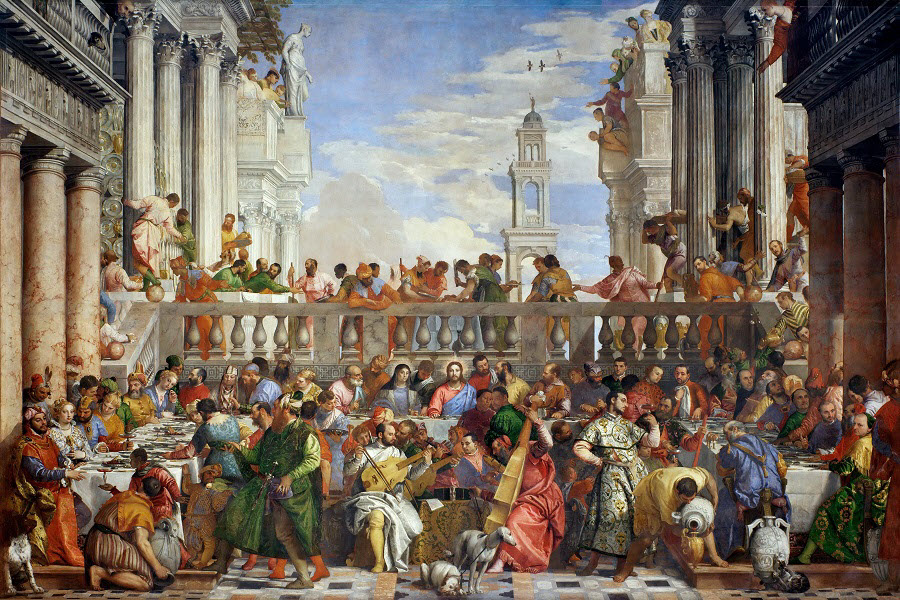
01-19-2025Weekly ReflectionWe Celebrate Worship Resource, Vol. 49, No. 1"Everyone serves good wine first,” the headwaiter at the wedding at Cana points out in today’s Gospel, explaining that it should have been obvious to the bride and groom that their guests could have better appreciated the quality of the wine when they were completely sober (John 2:10). But this is no ordinary wedding. As is usually the case, the first reading gives us some context for the Gospel. Isaiah proclaims that God rejoices in us just as a groom delights in his bride. We interpret this as a prophecy of Jesus, who marries his Church, the community of believers.
The high point of the wedding of Jesus to the Church is not at the beginning, when the finest wine was expected to be served. No, his marriage to the Church was consummated on the cross, when he poured out his blood for us all. This, indeed, is the hour that in Cana “has not yet come” (John 2:4). This marriage between Jesus and his Church, a sign of God’s love for us sinners, lasts forever, and so today and always we are invited to drink of the best quality wine, the Precious Blood that Jesus gave for our redemption.
How is the Mass like a wedding ceremony and banquet, uniting Christ and his Church?
—We Celebrate Worship Resource, Vol. 50, No. 1
El Mejor Vino, Su Preciosa Sangre
"Todos sirven primero el buen vino”, señala el maestresalas de las bodas de Caná en el Evangelio de hoy, explicando que debería haber sido obvio para los novios que sus invitados habrían podido apreciar mejor la calidad del vino cuando estaban completamente sobrios (Juan 2:10). Pero ésta no es una boda común y corriente. Como suele ser el caso, la primera lectura nos da un poco de contexto para el Evangelio. Isaías proclama que Dios se regocija en nosotros como un novio se regocija en su novia. Nosotros interpretamos esto como una profecía de Jesús, que se casa con su Iglesia, la comunidad de creyentes.
El punto culminante de la boda de Jesús con la Iglesia no está al principio, cuando se esperaba que se sirviera el mejor vino. No, su matrimonio con la Iglesia se consumó en la cruz, cuando derramó su sangre por todos nosotros. Ésta, de hecho, es la hora que en Caná “aún no ha llegado” (Juan 2:4). Este matrimonio entre Jesús y su Iglesia, signo del amor de Dios por nosotros pecadores, dura para siempre, y por eso hoy y siempre estamos invitados a beber del vino de mejor calidad, la Preciosa Sangre que Jesús dio por nuestra redención.
¿En qué sentido la Misa se asemeja a una ceremonia nupcial y a un banquete que une a Cristo y su Iglesia?
—We Celebrate Worship Resource, Vol. 50, No. 1
Baptized With the Holy Spirit & Fire
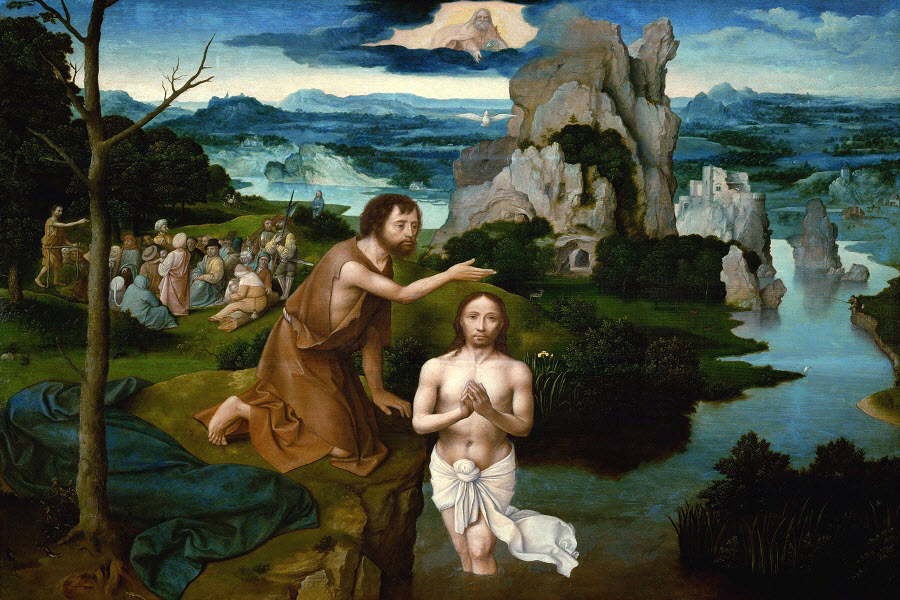
01-12-2025Weekly ReflectionWe Celebrate Worship Resource, Vol. 49, No. 1He [Jesus] will baptize you with the Holy Spirit and fire,” John told his followers, describing the baptism Jesus would offer (Luke 3:16). The Holy Spirit brings God’s presence into us, guides us in the Lord’s way, and remains with us forever. Fire can be used to refine or purify, as when it’s used to burn the chaff that's been separated from the wheat or to burn away impurities in gold. But fire can also refer to the intense passion that’s kindled deep inside us when we are profoundly moved by someone or something.
Remember the disciples on the way to Emmaus who encountered the risen Jesus and asked each other, “Were not our hearts burning within us while he spoke to us on the way and opened the Scriptures to us?” (Luke 24:32). We are those disciples now. Baptized with the Holy Spirit and fire, we gather together in the risen Lord’s presence and listen to the scriptures. We have had that fire within us since our baptism, ever ready to be kindled in our hearts. Like those disciples of Emmaus, who immediately went out to relate their encounter with Christ, may we be driven to relate in word and deed the presence of the Holy Spirit within us.
When have you felt afire in the spirit, eager to act in the Lord’s name?
—We Celebrate Worship Resource, Vol. 50, No. 1
Bautizados Con El Espíritu Santo & Fuego
Él [Jesús] los bautizará en Espíritu Santo y fuego,” dijo Juan a sus seguidores, describiendo el bautismo que Jesús ofrecería (Lucas 3:16). El Espíritu Santo trae la presencia de Dios a nosotros, nos guía en el camino del Señor y permanece con nosotros para siempre. El fuego puede usarse para refinar o purificar, como cuando se usa para quemar la paja que se ha separado del trigo o para quemar las impurezas del oro. Pero el fuego también puede referirse a la intensa pasión que se enciende en lo más profundo de nosotros cuando alguien o algo nos conmueve profundamente.
Recuerden a los discípulos en el camino a Emaús que se encontraron con Jesús resucitado y se preguntaron unos a otros: “¿No ardía nuestro corazón dentro de nosotros mientras nos hablaba en el camino y nos explicaba las Escrituras?” (Lucas 24:32). Nosotros somos esos discípulos ahora. Bautizados con el Espíritu Santo y fuego, nos reunimos en la presencia del Señor resucitado y escuchamos las Escrituras. Desde el bautismo llevamos dentro ese fuego, siempre dispuesto a encenderse en nuestro corazón. Como aquellos discípulos de Emaús, que inmediatamente salieron a relatar su encuentro con Cristo, que seamos impulsados a relatar con palabras y hechos la presencia del Espíritu Santo en nuestro interior.
¿Cuándo has sentido fuego en el espíritu, ansioso de actuar en el nombre del Señor?
—We Celebrate Worship Resource, Vol. 50, No. 1

Your Light Has Come
01-05-2025Weekly ReflectionWe Celebrate Worship Resource, Vol. 49, No. 1When the Jewish people returned to Jerusalem after fifty years of exile in Babylon, they found that the temple had fallen, the holy city had been destroyed, and much of the region was in ruins. So when they heard the prophet proclaim, “Jerusalem! Your light has come, the glory of the Lord shines upon you,” they must have thought him mad (Isaiah 60:1). Miserable after being separated from their homeland for generations and now seeing the terrible destruction to their spiritual and physical homes, they must have felt devastated and hopeless. But not Isaiah. To put it in twenty-first-century terms, he saw the infrastructure restored and investment in the nation renewed.
It’s not easy to see what lies beyond our limited vision. Herod must have seen the star over Bethlehem just as the magi did, for he was even closer to it. But he couldn’t see what the priests and scribes saw: that the little town of Bethlehem would bring forth a ruler, a shepherd for God’s people; or what the magi saw: that this infant in a humble stable was the newborn king. Herod couldn’t see past his own selfish ambition. Isaiah and the magi, trying to see from God’s perspective, saw past what currently was to what, with God’s presence, would be.
What difficult situation can you look at anew, taking God’s presence into account?
—We Celebrate Worship Resource, Vol. 50, No. 1
Ha Llegado Tu Luz
Cuando el pueblo judío regresó a Jerusalén después de cincuenta años de exilio en Babilonia, se encontró con que el templo había caído, la ciudad santa había sido destruida y gran parte de la región estaba en ruinas. Así que cuando oyeron al profeta proclamar: “¡Jerusalén! Ha llegado tu luz, la gloria del Señor resplandece sobre ti”, debieron pensar que estaba loco (Isaías 60:1). Miserables después de haber estado separados de su tierra natal durante una generación y ahora viendo la terrible destrucción de sus hogares espirituales y físicos, deben haberse sentido devastados y sin esperanza. Pero Isaías no. Para decirlo en términos del siglo XXI, vio la infraestructura restaurada y la inversión en la nación renovada.
No es fácil ver lo que está más allá de nuestra visión limitada. Herodes debe haber visto la estrella sobre Belén tal como la vieron los magos, porque estaba aún más cerca de ella. Pero no pudo ver lo que vieron los sacerdotes y los escribas: que la pequeña ciudad de Belén daría a luz un gobernante, un pastor para el pueblo de Dios; o lo que vieron los magos: que este niño en un humilde establo era el rey recién nacido. Herodes no podía ver más allá de su propia ambición egoísta. Isaías y los magos, tratando de ver desde la perspectiva de Dios, vieron más allá de lo que era actualmente y vieron lo que, con la presencia de Dios, sería.
¿Qué situación difícil puedes mirar con nuevos ojos, teniendo en cuenta la presencia de Dios?
—We Celebrate Worship Resource, Vol. 50, No. 1
The Holy Family
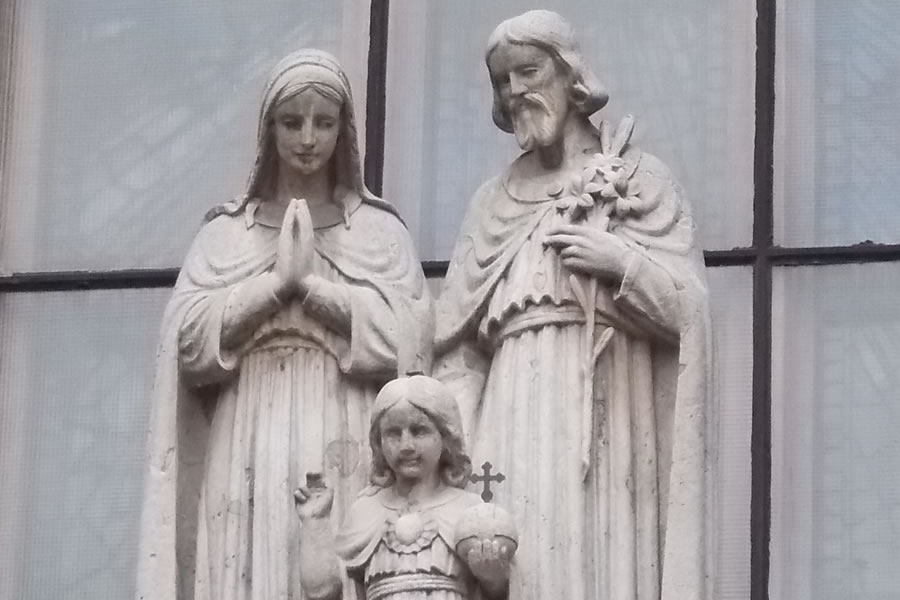
12-29-2024Weekly ReflectionWe Celebrate Worship Resource, Vol. 49, No. 1As children grow older, they test their independence, eventually realizing they must learn the responsibilities that come along with that independence. We get our one and only glimpse of Jesus as a growing child in today’s Gospel. Here he is choosing to assert some independence from his family. At the age of twelve, when he would have been old enough to assume the religious responsibilities of an adult, he stays behind in the temple after the feast of Passover.
This seems to be the first time he unexpectedly separates from his parents, and they are worried sick. Understandably, they are both incredibly relieved when they find him. They admonish him for not telling them that he was staying behind. Even in the Holy Family, parents and child have to find a balance between independence and responsibility as the child grows. Jesus matures as he converses with the teachers in the temple. At the same time, he remains obedient to his parents as he grows in favor before both God and others.
When is it difficult for your family to handle children’s growing independence and the increasing responsibilities that come with it?
—We Celebrate Worship Resource, Vol. 50, No. 1
La Sagrada Familia
A medida que los niños van creciendo, ponen a prueba su independencia y acaban dándose cuenta de que deben aprender las responsabilidades que conlleva esa independencia. En el Evangelio de hoy tenemos la única visión de Jesús como niño en crecimiento. Aquí está eligiendo afirmar cierta independencia de su familia. A la edad de doce años, cuando habría tenido la edad suficiente para asumir las responsabilidades religiosas de un adulto, se queda en el templo después de la fiesta de Pascua.
Esta parece ser la primera vez que inesperadamente se separa de sus padres, y ellos están muy preocupados. Es comprensible que ambos se sientan increíblemente aliviados cuando lo encuentran. Lo amonestan por no haberles dicho que se quedaría. Incluso en la Sagrada Familia, los padres y el hijo tienen que encontrar un equilibrio entre la independencia y la responsabilidad a medida que el niño crece. Jesús madura mientras conversa con los maestros en el templo. Al mismo tiempo, sigue siendo obediente a sus padres a medida que crece en favor tanto de Dios como de los demás.
¿Cuándo resulta difícil para su familia gestionar la creciente independencia de los niños y las crecientes responsabilidades que ello conlleva?
—We Celebrate Worship Resource, Vol. 50, No. 1
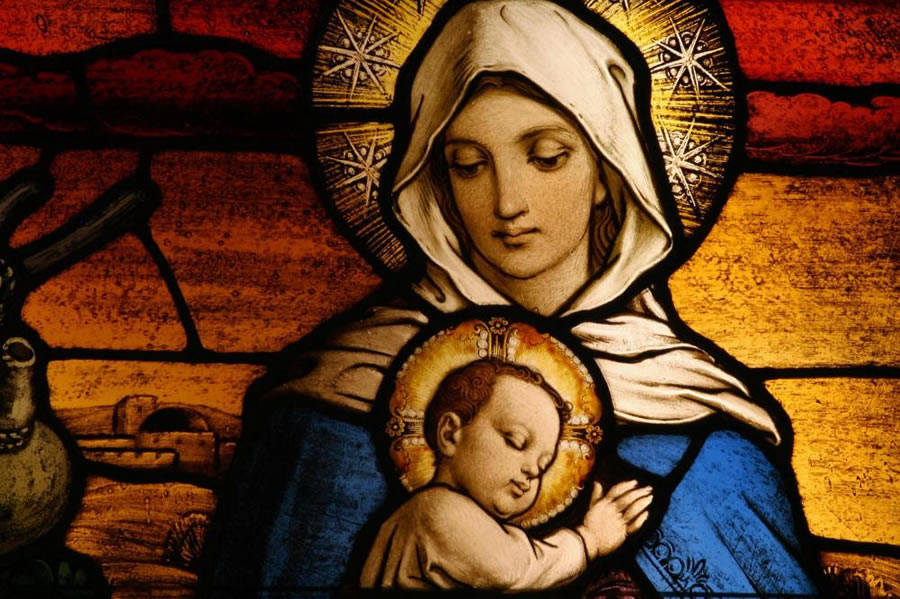
Blessed Are You
12-22-2024Weekly ReflectionWe Celebrate Worship Resource, Vol. 49, No. 1Elizabeth could sense the difference in her young cousin. John, still three months away from being born, could sense it too. Elizabeth showered Mary with beatitudes: “Blessed are you…” John leaped in his mother’s womb. How did they know? It appears that Luke himself answers the question: “Elizabeth [was] filled with the Holy Spirit” (Luke 1:41). The Holy Spirit, in Elizabeth and in her baby, gives them the power to discern God’s presence in their relative. They have a power beyond even the prophets, like Micah, who recognized that God’s chosen one would come from the small town of Bethlehem to shepherd his flock in peace.
As we have been filled with the Holy Spirit since our own baptism, we too have the power to sense God’s presence in others. We too can call our relatives, our neighbors, and even strangers “blessed,” for they are also filled with God’s presence. If we make an effort to look beyond surface appearances, to look past our differences, and to overlook past grievances, we can begin to discern God’s presence in each other.
Flipping this around, do others see God’s presence in you?
—We Celebrate Worship Resource, Vol. 50, No. 1
Bendita Tú Eres
Isabel podía percibir la diferencia en su prima. Juan, a tres meses de nacer, también podía percibirla. Isabel colmó de bienaventuranzas a María: “Bendita tú eres…”. Juan saltó en el vientre de su madre. ¿Cómo lo supieron? Parece que el propio Lucas responde a la pregunta: “Isabel [quedó] llena del Espíritu Santo” (Lucas 1:41). El Espíritu Santo, en Isabel y en su bebé, les da el poder de discernir la presencia de Dios en su pariente. Tienen un poder que va más allá incluso del de los profetas, como Miqueas, que reconoció que el elegido de Dios vendría de la pequeña ciudad de Belén para pastorear su rebaño en paz.
Así como hemos sido llenos del Espíritu Santo desde nuestro propio bautismo, también nosotros tenemos el poder de percibir la presencia de Dios en los demás. También nosotros podemos llamar “bienaventurados” a nuestros parientes, vecinos e incluso desconocidos, porque ellos también están llenos de la presencia de Dios. Si nos esforzamos por mirar más allá de las apariencias superficiales, por mirar más allá de nuestras diferencias y por pasar por alto los agravios del pasado, podremos empezar a discernir la presencia de Dios en los demás.
Dándole la vuelta a esto, ¿los demás pueden ver la presencia de Dios en ti?
—We Celebrate Worship Resource, Vol. 50, No. 1

Rejoice in the Lord Always
12-15-2024Weekly ReflectionWe Celebrate Worship Resource, Vol. 49, No. 1Rejoice! We hear the word again and again on Gaudete Sunday, for the Lord is near, already even in our midst. It is easier to recognize that with only ten days until Christmas, but the prophets sensed the Savior’s presence well before he was born. Because of that certainty, Zephaniah could tell people, “You have no further misfortune to fear” (3:15). Hard to accept a generation later when they were driven into exile! Paul repeats the sentiment, “Have no anxiety at all” (Philippians 4:6), though Christians were persecuted then and for many more decades.
Today, terrible things still happen and it is tough to rid ourselves of all anxiety. But it is a great consolation to us here and now to realize that Jesus, who loves us, who redeems us, and who leads us to eternal life, is indeed in our midst. That can assuage the worries that threaten to overwhelm us, allowing us to take to heart the words of John the Baptist, who tells the crowds who come to him for baptism: Share with those in need, be content with what you have, and treat others as you would have them treat you. Doing so is a sign that Jesus is here with us, bringing not only himself but also God’s kingdom into our midst.
Who can you share with or treat better, giving both you and them a glimpse of Jesus’ nearness to us?
—We Celebrate Worship Resource, Vol. 50, No. 1
Regocíjense en El Señor Siempre
¡Alégrense! Escuchamos esta palabra una y otra vez el domingo de Gaudete, porque el Señor está cerca, ya está entre nosotros. Es más fácil reconocerlo cuando faltan sólo diez días para Navidad, pero los profetas sintieron la presencia del Salvador mucho antes de que naciera. Debido a esa certeza, Sofonías pudo decir a la gente: “No tenéis ya ninguna desgracia que temer” (3:15). ¡Es difícil aceptarlo una generación después, cuando fueron obligados al exilio! Pablo repite el sentimiento: “No os preocupéis por nada” (Filipenses 4:6), aunque los cristianos fueron perseguidos entonces y durante muchas décadas más.
Hoy, todavía suceden cosas terribles y es difícil librarnos de toda ansiedad. Pero es un gran consuelo para nosotros aquí y ahora darnos cuenta de que Jesús, que nos ama, que nos redime y que nos conduce a la vida eterna, está realmente entre nosotros. Eso puede aliviar las preocupaciones que amenazan con abrumarnos, permitiéndonos tomar en serio las palabras de Juan el Bautista, quien les dice a las multitudes que acuden a él para ser bautizadas: Compartan con los necesitados, estén contentos con lo que tienen y traten a los demás como quisieran que los trataran a ustedes. Hacer esto es una señal de que Jesús está aquí con nosotros, trayendo no solo a sí mismo sino también el reino de Dios a nuestro medio.
¿Con quién puedes compartir o tratar mejor, dándoles a ti y a ellos una visión de la cercanía de Jesús a nosotros?
—We Celebrate Worship Resource, Vol. 50, No. 1
Repent for the Kingdom of Heaven is at Hand
12-08-2024Weekly ReflectionWe Celebrate Worship Resource, Vol. 49, No. 1Luke begins today’s Gospel by listing a whole host of contemporary leaders: the emperor, the governor, tetrarchs, and high priests, most with long, difficult-to-pronounce names. Surely the word of God would be proclaimed by one of these very important people! But no, the announcement of the coming of the Lord comes from a man with the simple name of John, who does not emerge from a palace or temple, but from the desolate desert.
To prepare for Jesus’ coming, John quotes the prophet Isaiah, telling the people to make the path for the Lord straight and smooth, removing the obstacles that could block our connection to the one who brings salvation. The main obstacle, now as it was then, is sin. To clear the path, John preaches repentance, which leads to forgiveness, which brings reconciliation between us and God as well as between us and others.
As we prepare for Jesus’ coming, let us keep in mind that we may be surprised by whose voice it is that points the way. May we heed the call to repentance wherever we hear it so that we may smooth Jesus’ path into our hearts.
What will you repent of in order to allow Jesus to come anew into your heart?
—We Celebrate Worship Resource, Vol. 50, No. 1
Lucas comienza el Evangelio de hoy enumerando a toda una serie de líderes contemporáneos: el emperador, el gobernador, los tetrarcas y los sumos sacerdotes, la mayoría con nombres largos y difíciles de pronunciar. ¡Seguramente la palabra de Dios sería proclamada por una de estas personas tan importantes! Pero no, el anuncio de la venida del Señor viene de un hombre con el sencillo nombre de Juan, que no surge de un palacio o templo, sino del desierto desolado.
Para preparar la venida de Jesús, Juan cita al profeta Isaías, diciendo al pueblo que haga recto y suave el camino hacia el Señor, quitando los obstáculos que podrían bloquear nuestra conexión con aquel que trae la salvación. El principal obstáculo, ahora como lo fue entonces, es el pecado. Para despejar el camino, Juan predica el arrepentimiento, que lleva al perdón, que trae la reconciliación entre nosotros y Dios, así como entre nosotros y los demás.
Mientras nos preparamos para la venida de Jesús, tengamos presente que nos puede sorprender qué voz es la que señala el camino. Que podamos escuchar el llamado al arrepentimiento dondequiera que lo escuchemos para que podamos allanar el camino de Jesús en nuestros corazones.
¿De qué te arrepentirás para permitir que Jesús entre de nuevo en tu corazón?
—We Celebrate Worship Resource, Vol. 50, No. 1

Strengthen Your Hearts
12-01-2024Weekly ReflectionWe Celebrate Worship Resource, Vol. 49, No. 1Five or six centuries before the birth of Christ, God made a promise through the prophet Jeremiah: “I will raise up for David a just shoot,” whom we regard now as Jesus, our Savior (Jeremiah 33:15).
Before he died, Jesus made a promise to his disciples: He promised that when he comes in glory, those who stand upright before him will be redeemed. At this time of year, we think more often of the first promise than the second. It may help to remind ourselves of the third way in which Jesus comes into the world, also when we least expect: into our hearts.
He may come through the service we do for those in need, or in the forgiveness we receive in the sacrament of reconciliation, or when we give and receive in the spirit of gratitude that pervades this time of year. Realizing that Jesus may come to us this way again and again before he eventually comes again in glory, let us, as Paul writes, strengthen our hearts by “increas[ing] and abound[ing] in love for one another and for all” (1 Thessalonians 3:12).
What will you do this Advent to hasten Jesus’ coming into your heart?
—We Celebrate Worship Resource, Vol. 50, No. 1
Cinco o seis siglos antes del nacimiento de Cristo, Dios hizo una promesa a través del profeta Jeremías: “Haré surgir de David un retoño justo”, a quien ahora consideramos como Jesús, nuestro Salvador (Jeremías 33:15).
Antes de morir, Jesús hizo una promesa a sus discípulos: prometió que cuando él venga en gloria, quienes se presenten ante él serán redimidos. En esta época del año, pensamos más a menudo en la primera promesa que en la segunda. Puede ser útil recordar la tercera forma en que Jesús viene al mundo, también cuando menos lo esperamos: en nuestros corazones.
Puede venir a través del servicio que hacemos a los necesitados, o en el perdón que recibimos en el sacramento de la reconciliación, o cuando damos y recibimos en el espíritu de gratitud que impregna esta época del año. Al darnos cuenta de que Jesús puede venir a nosotros de esta manera una y otra vez antes de que finalmente venga de nuevo en gloria, fortalezcamos nuestros corazones, como escribe Pablo, “creciendo y abundando en amor unos para con otros y para con todos” (1 Tesalonicenses 3:12).
¿Qué harás este Adviento para acelerar la venida de Jesús a tu corazón?
—We Celebrate Worship Resource, Vol. 50, No. 1