St. Francis of Assisi Weekly Reflections
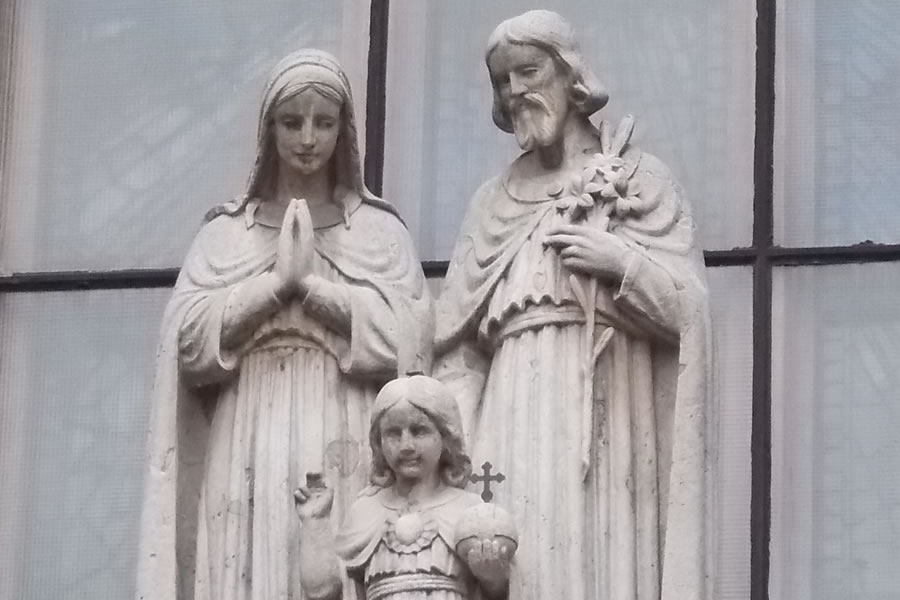
The Holy Family
12-29-2024Weekly ReflectionWe Celebrate Worship Resource, Vol. 49, No. 1As children grow older, they test their independence, eventually realizing they must learn the responsibilities that come along with that independence. We get our one and only glimpse of Jesus as a growing child in today’s Gospel. Here he is choosing to assert some independence from his family. At the age of twelve, when he would have been old enough to assume the religious responsibilities of an adult, he stays behind in the temple after the feast of Passover.
This seems to be the first time he unexpectedly separates from his parents, and they are worried sick. Understandably, they are both incredibly relieved when they find him. They admonish him for not telling them that he was staying behind. Even in the Holy Family, parents and child have to find a balance between independence and responsibility as the child grows. Jesus matures as he converses with the teachers in the temple. At the same time, he remains obedient to his parents as he grows in favor before both God and others.
When is it difficult for your family to handle children’s growing independence and the increasing responsibilities that come with it?
—We Celebrate Worship Resource, Vol. 50, No. 1
La Sagrada Familia
A medida que los niños van creciendo, ponen a prueba su independencia y acaban dándose cuenta de que deben aprender las responsabilidades que conlleva esa independencia. En el Evangelio de hoy tenemos la única visión de Jesús como niño en crecimiento. Aquí está eligiendo afirmar cierta independencia de su familia. A la edad de doce años, cuando habría tenido la edad suficiente para asumir las responsabilidades religiosas de un adulto, se queda en el templo después de la fiesta de Pascua.
Esta parece ser la primera vez que inesperadamente se separa de sus padres, y ellos están muy preocupados. Es comprensible que ambos se sientan increíblemente aliviados cuando lo encuentran. Lo amonestan por no haberles dicho que se quedaría. Incluso en la Sagrada Familia, los padres y el hijo tienen que encontrar un equilibrio entre la independencia y la responsabilidad a medida que el niño crece. Jesús madura mientras conversa con los maestros en el templo. Al mismo tiempo, sigue siendo obediente a sus padres a medida que crece en favor tanto de Dios como de los demás.
¿Cuándo resulta difícil para su familia gestionar la creciente independencia de los niños y las crecientes responsabilidades que ello conlleva?
—We Celebrate Worship Resource, Vol. 50, No. 1
Respect for Elders
12-29-2024Question of the WeekReading I
1 Samuel 1:20-22, 24-28 • Samuel’s birth
Reading II
1 John 3:1-2, 21-24 • We are children of God
Gospel
Luke 2:41-52 • The boy Jesus in the Temple
Key Passage
Jesus went down with them and came to Nazareth, and was obedient to them. (Luke 2:51a)
Adults: How would you have reacted if you were Mary and Joseph finding Jesus in the Temple?
Kids: What do you think it was like for Jesus to be in the Temple for three days without his parents?
Respeto a los Mayores
Lectura I
1 Samuel 1:20-22, 24-28 • El nacimiento de Samuel
Lectura II
1 Juan 3:1-2, 21-24 • Somos hijos de Dios
Evangelio
Lucas 2:41-52 • El niño Jesús en el Templo
Pasaje Clave
Jesús descendió con ellos y vino a Nazaret, y estaba sujeto a ellos. (Lucas 2:51a)
Adultos: ¿Cómo habrían reaccionado si hubieran sido María y José y hubieran encontrado a Jesús en el Templo?
Niños: ¿Cómo creen que fue para Jesús estar en el Templo durante tres días sin sus padres?
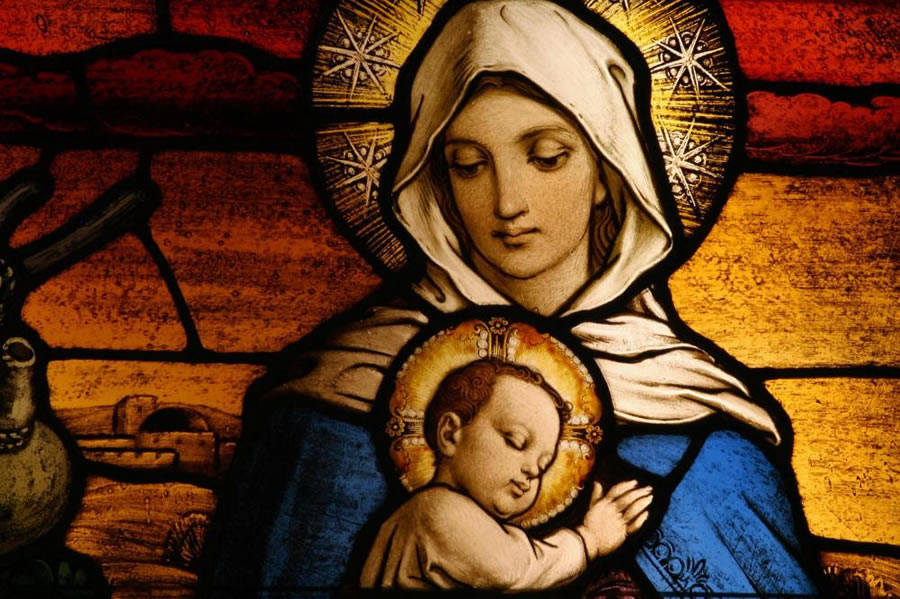
Blessed Are You
12-22-2024Weekly ReflectionWe Celebrate Worship Resource, Vol. 49, No. 1Elizabeth could sense the difference in her young cousin. John, still three months away from being born, could sense it too. Elizabeth showered Mary with beatitudes: “Blessed are you…” John leaped in his mother’s womb. How did they know? It appears that Luke himself answers the question: “Elizabeth [was] filled with the Holy Spirit” (Luke 1:41). The Holy Spirit, in Elizabeth and in her baby, gives them the power to discern God’s presence in their relative. They have a power beyond even the prophets, like Micah, who recognized that God’s chosen one would come from the small town of Bethlehem to shepherd his flock in peace.
As we have been filled with the Holy Spirit since our own baptism, we too have the power to sense God’s presence in others. We too can call our relatives, our neighbors, and even strangers “blessed,” for they are also filled with God’s presence. If we make an effort to look beyond surface appearances, to look past our differences, and to overlook past grievances, we can begin to discern God’s presence in each other.
Flipping this around, do others see God’s presence in you?
—We Celebrate Worship Resource, Vol. 50, No. 1
Bendita Tú Eres
Isabel podía percibir la diferencia en su prima. Juan, a tres meses de nacer, también podía percibirla. Isabel colmó de bienaventuranzas a María: “Bendita tú eres…”. Juan saltó en el vientre de su madre. ¿Cómo lo supieron? Parece que el propio Lucas responde a la pregunta: “Isabel [quedó] llena del Espíritu Santo” (Lucas 1:41). El Espíritu Santo, en Isabel y en su bebé, les da el poder de discernir la presencia de Dios en su pariente. Tienen un poder que va más allá incluso del de los profetas, como Miqueas, que reconoció que el elegido de Dios vendría de la pequeña ciudad de Belén para pastorear su rebaño en paz.
Así como hemos sido llenos del Espíritu Santo desde nuestro propio bautismo, también nosotros tenemos el poder de percibir la presencia de Dios en los demás. También nosotros podemos llamar “bienaventurados” a nuestros parientes, vecinos e incluso desconocidos, porque ellos también están llenos de la presencia de Dios. Si nos esforzamos por mirar más allá de las apariencias superficiales, por mirar más allá de nuestras diferencias y por pasar por alto los agravios del pasado, podremos empezar a discernir la presencia de Dios en los demás.
Dándole la vuelta a esto, ¿los demás pueden ver la presencia de Dios en ti?
—We Celebrate Worship Resource, Vol. 50, No. 1
Obedience to God's Will
12-22-2024Question of the WeekReading I
Micah 5:1-4a • Restoration through the Messiah
Reading II
Hebrews 10:5-10 • The second covenant
Gospel
Luke 1:39-45 • The visit to Elizabeth
Key Passage
Elizabeth said, “Blessed is she who believed that there would be a fulfillment of what was spoken to her by the Lord.” (Luke 1:45)
Adults: When was it hardest for you to trust in God’s plan for you, as Mary did? What can help you at such times?
Kids: When is it hardest for you to obey a parent or teacher? What can help you obey with more trust?
Obediencia a La Voluntad De Dios
Lectura I
Miqueas 5:1-4a • La restauración a través del mesías
Lectura II
Hebreos 10:5-10 • El segundo pacto
Evangelio
Lucas 1:39-45 • La visita a Isabel
Pasaje Clave
Isabel dijo: “Dichosa tú, que has creído, porque se cumplirá cuanto te fue anunciado de parte del Señor.” (Lucas 1:45)
Adultos: ¿Cuándo te resultó más difícil confiar en el plan que Dios tenía para ti, como lo hizo María? ¿Qué te puede ayudar en esos momentos?
Niños: ¿Cuándo te resulta más difícil obedecer a un padre o a un maestro? ¿Qué puede ayudarte a obedecer con más confianza?
The Joy of Kindness
12-15-2024Question of the WeekReading I
Zephaniah 3:14-18a : Promise of a savior
Reading II
Philippians 4:4-7 : Joy and peace
Gospel
Luke 3:10-18 : John calls the people to justice
Key Passage
Rejoice in the Lord always; again I will say, Rejoice. Let your gentleness be known to everyone. (Philippians 4:4–5)
Adults: What might John the Baptist challenge you to do differently in your life?
Kids: Do you have extras that you can share with others this week?
El Gozo De La Bondad
Lectura I
Sofonías 3:14-18a : Promesa de un salvador
Lectura II
Filipenses 4:4-7 : Gozo y paz
Evangelio
Lucas 3:10-18 : Juan llama al pueblo a la justicia
Pasaje Clave
Regocíjense en el Señor siempre; otra vez les digo: ¡Regocíjense! Que vuestra amabilidad sea conocida por todos. (Filipenses 4:4-5)
Adultos: ¿Qué podría desafiarte Juan el Bautista a hacer de manera diferente en tu vida?
Niños: ¿Tienes algo demás que puedas compartir con los demás esta semana?

Rejoice in the Lord Always
12-15-2024Weekly ReflectionWe Celebrate Worship Resource, Vol. 49, No. 1Rejoice! We hear the word again and again on Gaudete Sunday, for the Lord is near, already even in our midst. It is easier to recognize that with only ten days until Christmas, but the prophets sensed the Savior’s presence well before he was born. Because of that certainty, Zephaniah could tell people, “You have no further misfortune to fear” (3:15). Hard to accept a generation later when they were driven into exile! Paul repeats the sentiment, “Have no anxiety at all” (Philippians 4:6), though Christians were persecuted then and for many more decades.
Today, terrible things still happen and it is tough to rid ourselves of all anxiety. But it is a great consolation to us here and now to realize that Jesus, who loves us, who redeems us, and who leads us to eternal life, is indeed in our midst. That can assuage the worries that threaten to overwhelm us, allowing us to take to heart the words of John the Baptist, who tells the crowds who come to him for baptism: Share with those in need, be content with what you have, and treat others as you would have them treat you. Doing so is a sign that Jesus is here with us, bringing not only himself but also God’s kingdom into our midst.
Who can you share with or treat better, giving both you and them a glimpse of Jesus’ nearness to us?
—We Celebrate Worship Resource, Vol. 50, No. 1
Regocíjense en El Señor Siempre
¡Alégrense! Escuchamos esta palabra una y otra vez el domingo de Gaudete, porque el Señor está cerca, ya está entre nosotros. Es más fácil reconocerlo cuando faltan sólo diez días para Navidad, pero los profetas sintieron la presencia del Salvador mucho antes de que naciera. Debido a esa certeza, Sofonías pudo decir a la gente: “No tenéis ya ninguna desgracia que temer” (3:15). ¡Es difícil aceptarlo una generación después, cuando fueron obligados al exilio! Pablo repite el sentimiento: “No os preocupéis por nada” (Filipenses 4:6), aunque los cristianos fueron perseguidos entonces y durante muchas décadas más.
Hoy, todavía suceden cosas terribles y es difícil librarnos de toda ansiedad. Pero es un gran consuelo para nosotros aquí y ahora darnos cuenta de que Jesús, que nos ama, que nos redime y que nos conduce a la vida eterna, está realmente entre nosotros. Eso puede aliviar las preocupaciones que amenazan con abrumarnos, permitiéndonos tomar en serio las palabras de Juan el Bautista, quien les dice a las multitudes que acuden a él para ser bautizadas: Compartan con los necesitados, estén contentos con lo que tienen y traten a los demás como quisieran que los trataran a ustedes. Hacer esto es una señal de que Jesús está aquí con nosotros, trayendo no solo a sí mismo sino también el reino de Dios a nuestro medio.
¿Con quién puedes compartir o tratar mejor, dándoles a ti y a ellos una visión de la cercanía de Jesús a nosotros?
—We Celebrate Worship Resource, Vol. 50, No. 1

Repent for the Kingdom of Heaven is at Hand
12-08-2024Weekly ReflectionWe Celebrate Worship Resource, Vol. 49, No. 1Luke begins today’s Gospel by listing a whole host of contemporary leaders: the emperor, the governor, tetrarchs, and high priests, most with long, difficult-to-pronounce names. Surely the word of God would be proclaimed by one of these very important people! But no, the announcement of the coming of the Lord comes from a man with the simple name of John, who does not emerge from a palace or temple, but from the desolate desert.
To prepare for Jesus’ coming, John quotes the prophet Isaiah, telling the people to make the path for the Lord straight and smooth, removing the obstacles that could block our connection to the one who brings salvation. The main obstacle, now as it was then, is sin. To clear the path, John preaches repentance, which leads to forgiveness, which brings reconciliation between us and God as well as between us and others.
As we prepare for Jesus’ coming, let us keep in mind that we may be surprised by whose voice it is that points the way. May we heed the call to repentance wherever we hear it so that we may smooth Jesus’ path into our hearts.
What will you repent of in order to allow Jesus to come anew into your heart?
—We Celebrate Worship Resource, Vol. 50, No. 1
Lucas comienza el Evangelio de hoy enumerando a toda una serie de líderes contemporáneos: el emperador, el gobernador, los tetrarcas y los sumos sacerdotes, la mayoría con nombres largos y difíciles de pronunciar. ¡Seguramente la palabra de Dios sería proclamada por una de estas personas tan importantes! Pero no, el anuncio de la venida del Señor viene de un hombre con el sencillo nombre de Juan, que no surge de un palacio o templo, sino del desierto desolado.
Para preparar la venida de Jesús, Juan cita al profeta Isaías, diciendo al pueblo que haga recto y suave el camino hacia el Señor, quitando los obstáculos que podrían bloquear nuestra conexión con aquel que trae la salvación. El principal obstáculo, ahora como lo fue entonces, es el pecado. Para despejar el camino, Juan predica el arrepentimiento, que lleva al perdón, que trae la reconciliación entre nosotros y Dios, así como entre nosotros y los demás.
Mientras nos preparamos para la venida de Jesús, tengamos presente que nos puede sorprender qué voz es la que señala el camino. Que podamos escuchar el llamado al arrepentimiento dondequiera que lo escuchemos para que podamos allanar el camino de Jesús en nuestros corazones.
¿De qué te arrepentirás para permitir que Jesús entre de nuevo en tu corazón?
—We Celebrate Worship Resource, Vol. 50, No. 1

Strengthen Your Hearts
12-01-2024Weekly ReflectionWe Celebrate Worship Resource, Vol. 49, No. 1Five or six centuries before the birth of Christ, God made a promise through the prophet Jeremiah: “I will raise up for David a just shoot,” whom we regard now as Jesus, our Savior (Jeremiah 33:15).
Before he died, Jesus made a promise to his disciples: He promised that when he comes in glory, those who stand upright before him will be redeemed. At this time of year, we think more often of the first promise than the second. It may help to remind ourselves of the third way in which Jesus comes into the world, also when we least expect: into our hearts.
He may come through the service we do for those in need, or in the forgiveness we receive in the sacrament of reconciliation, or when we give and receive in the spirit of gratitude that pervades this time of year. Realizing that Jesus may come to us this way again and again before he eventually comes again in glory, let us, as Paul writes, strengthen our hearts by “increas[ing] and abound[ing] in love for one another and for all” (1 Thessalonians 3:12).
What will you do this Advent to hasten Jesus’ coming into your heart?
—We Celebrate Worship Resource, Vol. 50, No. 1
Cinco o seis siglos antes del nacimiento de Cristo, Dios hizo una promesa a través del profeta Jeremías: “Haré surgir de David un retoño justo”, a quien ahora consideramos como Jesús, nuestro Salvador (Jeremías 33:15).
Antes de morir, Jesús hizo una promesa a sus discípulos: prometió que cuando él venga en gloria, quienes se presenten ante él serán redimidos. En esta época del año, pensamos más a menudo en la primera promesa que en la segunda. Puede ser útil recordar la tercera forma en que Jesús viene al mundo, también cuando menos lo esperamos: en nuestros corazones.
Puede venir a través del servicio que hacemos a los necesitados, o en el perdón que recibimos en el sacramento de la reconciliación, o cuando damos y recibimos en el espíritu de gratitud que impregna esta época del año. Al darnos cuenta de que Jesús puede venir a nosotros de esta manera una y otra vez antes de que finalmente venga de nuevo en gloria, fortalezcamos nuestros corazones, como escribe Pablo, “creciendo y abundando en amor unos para con otros y para con todos” (1 Tesalonicenses 3:12).
¿Qué harás este Adviento para acelerar la venida de Jesús a tu corazón?
—We Celebrate Worship Resource, Vol. 50, No. 1

My Kingdom Does Not Belong To This World
11-24-2024Weekly ReflectionWe Celebrate Worship Resource, Vol. 49, No. 1You can feel Pilate’s sigh of relief when Jesus told him that his kingdom did not belong to this world. Little did he realize that Jesus’ kingdom, the kingdom of God, dwarfed the entire Roman empire, both in size and permanence.
We recently heard Jesus tell a scribe, “You are not far from the kingdom of God” (Mark 12:34). Why? Because he immediately understood why loving God with your whole self and loving your neighbor as yourself were the greatest of all the commandments. This is the kingdom the scribe understands but Pilate never will. It is a kingdom won not by conquest or might, but by love of God and love of neighbor. It is a kingdom not gained through dominance, but through sacrifice.
Jesus sacrificed himself out of love of God, as proven by his obedience to his Father’s will, and love of neighbor, as evidenced by his dying for the sins of us all. May we learn the lesson Pilate never did: that the true kingdom is not of this world, but that love of God and love of neighbor will take us there.
Would Jesus say that you are not far from the Kingdom of God?
Mi Reino No Es De Este Mundo
Podemos sentir el suspiro de alivio de Pilato cuando Jesús le dijo que su reino no pertenecía a este mundo. No se daba cuenta de que el reino de Jesús, es el reino de Dios y empequeñecía a todo el imperio romano, tanto en tamaño como en permanencia.
Hace poco escuchamos a Jesús decirle a un escriba: “No estás lejos del reino de Dios” (Marcos 12:34). ¿Por qué? Porque comprendió de inmediato por qué amar a Dios con todo tu ser y amar al prójimo como a sí mismo era el mayor de todos los mandamientos. Este es el reino que el escriba entiende, pero Pilato nunca entenderá. Es un reino que no se gana por conquista o por poder, sino por amor a Dios y al prójimo. Es un reino que no se obtiene a través del dominio, sino a través del sacrificio.
Jesús se sacrificó por amor a Dios, como lo demuestra su obediencia a la voluntad de su Padre, y por amor al prójimo, como lo demuestra su muerte por los pecados de todos nosotros. Aprendamos la lección que Pilato nunca aprendió: que el verdadero reino no es de este mundo, pero que el amor a Dios y al prójimo nos llevarán allí.
¿Diría Jesús que no estás lejos del Reino de Dios?
—We Celebrate Worship Resource, Vol. 49, No. 2
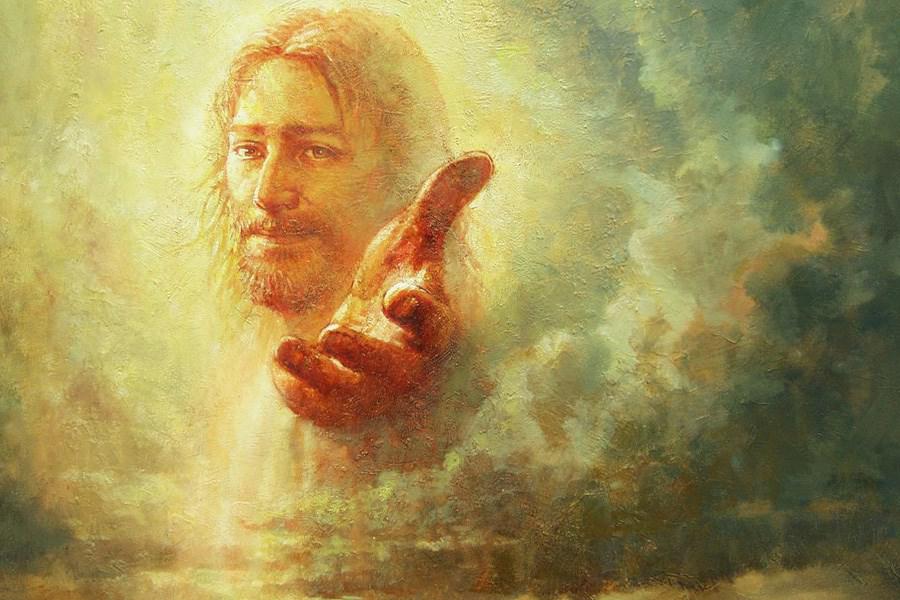
The Son of Man Coming in the Clouds
11-17-2024Weekly ReflectionWe Celebrate Worship Resource, Vol. 49, No. 1The stars have had a special symbolic significance going back to the beginning of our faith. God told Abraham to look at the stars in the night sky, promising him that his descendants will one day be as numerous. Today we hear that in Daniel’s prophetic vision, “those who lead the many to justice shall be like the stars forever” (Daniel 12:3). The uncountable multitude of souls guiding us to justice from their eternal home recall the uncountable multitude of stars Abraham and Sarah glimpsed in the heavens. Jesus told his disciples that while he was in the world, he was the light of the world. It is up to us now to reflect the light of Christ to the world, to be beacons for others, to make the works of God visible. One day the Lord will return to gather his elect and bring them home to the Father. May his warning that no one knows when this will happen spur us to action, to provide light to our world now, whether the world ends soon or far, far in the future.
How do you reflect the light of Christ in the world? What more can you do to shine that light in the darknesses around you?
El Hijo del Hombre viene en las nubes
Las estrellas han tenido un significado simbólico especial desde el comienzo de nuestra fe. Dios le dijo a Abraham que mirara las estrellas en el cielo nocturno, prome éndole que un día sus descendientes serían tan numerosos como ellos. Hoy escuchamos que en la visión profé ca de Daniel, “los que conducen a la mul tud a la jus cia serán como las estrellas por siempre” (Daniel 12:3). La incontable multitud de almas que nos guían hacia la jus cia desde su hogar eterno recuerda la incontable multitud de estrellas que Abraham y Sara vislumbraron en los cielos. Jesús dijo a sus discípulos que mientras él estaba en el mundo, era la luz del mundo. Ahora nos toca a nosotros reflejar la luz de Cristo al mundo, ser faros para los demás, hacer visibles las obras de Dios. Un día, el Señor regresará para reunir a sus elegidos y llevarlos a casa con el Padre. Que su advertencia de que nadie sabe cuándo sucederá esto nos impulse a la acción, para brindar luz a nuestro mundo ahora, ya sea que el mundo termine pronto o muy, muy lejos en el futuro.
¿Cómo reflejas la luz de Cristo en el mundo? ¿Qué más puedes hacer para que esa luz brille en las nieblas que te rodean?
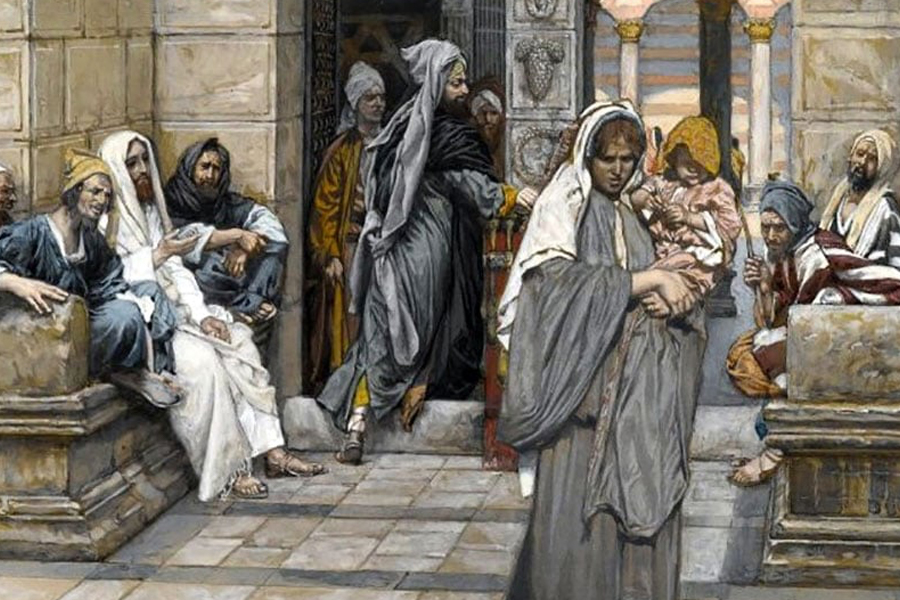
She Contributed All That She Had
11-10-2024Weekly ReflectionWe Celebrate Worship Resource, Vol. 49, No. 1We just heard Jesus teach what love of God and love of neighbor are the most important of all God's commandments. Today we meet two people who have taken this to heart. Each is a widow. Each sacrifices her own well-being to give all that she has to God and neighbor. In the first reading, a widow has hardly anything left to give her young son. She expects that they will soon die of hunger. But she gives the last of her bread and water to this stranger, this man of God, rather than kingly telling him no, that she can't spare any of what little she has left. In the Gospel, a widow contributes two coins to the temple treasury-all she had-as an offering to God and to those in need. The incredible sacrifice each woman makes would look foolish to many. But note that not long after this incident, Jesus will look foolish to many, sacrificing his life on the cross for our salvation. The two selfless women sacrifice all that they have as well, not knowing how they will survive themselves, but believing that generosity to God and to neighbor is more important.
How generous are you? How can you bring yourself to be more generous to God and others?
DIO TODO LO QUE TENIA
Acabamos de escuchar a Jesús enseñar que el amor a Dios y al prójimo son los mandamientos más importantes de Dios. Hoy nos encontramos con dos personas que se lo han tomado muy en serio. Ambas son viudas. Cada una sacrifica su propio bienestar para dar todo lo que ene a Dios y al prójimo. En la primera lectura, una viuda no ene casi nada para darle a su hijo pequeño. Ella espera que pronto mueran de hambre. Pero ella le da lo úl mo que le queda de pan y agua a este extraño, este hombre de Dios, en lugar de decirle majestuosamente que no, que no puede prescindir de nada de lo poco que le queda. En el Evangelio, una viuda contribuye con dos monedas al tesoro del templo, todo lo que tenía, como ofrenda a Dios y a los necesitados. El increíble sacrificio que hace cada mujer parecería tonto para muchos. Pero note que no mucho después de este incidente, Jesús parecerá tonto para muchos, sacrificando su vida en la cruz por nuestra salvación. Las dos mujeres desinteresadas también sacrifican todo lo que enen, sin saber cómo sobrevivirán, pero creyendo que la generosidad hacia Dios y el prójimo es más importante.
¿Qué tan generoso eres? ¿Cómo puedes ser más generoso con Dios y con los demás?
Giving From Our Need
11-10-2024Question of the WeekReading I: 1 Kings 17:10-16 • Elijah and the Widow
Reading II: Hebrews 9:24-28 • The Sacrifice of Jesus
Gospel: Mark 12:38-44 • Hypocrisy of the Scribes, and the Widow’s Mite
Key Passage: Jesus said, “Truly I tell you, this poor widow has put in more than all those who are contributing to the treasury. For all of them have contributed out of their abundance; but she out of her poverty has put in everything she had, all she had to live on.” (Mark 12:43–44) Adults: What are you willing to give out of love for God that would be a hardship for you? Kids: What would you be willing to give up for someone else?
DAR DE NUESTRA NECESIDAD
Lectura I: 1 Reyes 17:10-16 • Elías y la viuda
Lectura II: Hebreos 9:24-28 • El sacrificio de Jesús
Evangelio: Marcos 12:38-44 • La hipocresía de los escribas y la ofrenda de la viuda
Pasaje Clave: Jesús dijo: “Les aseguro que esta viuda pobre ha echado más que todos los que contribuyen al tesoro. Porque todos han echado de lo que les sobra, pero ella, de su pobreza, ha echado todo lo que tenía, todo su sustento”. (Marcos 12:43-44)
Adultos: ¿Qué estás dispuesto a dar por amor a Dios que sería una dificultad para ?
Niños: ¿Qué estarías dispuesto a dar por otra persona?
The Greatest Commandment
11-03-2024Question of the Week Reading I: Deuteronomy 6:2-6 • The Great Commandment
Reading II: Hebrews 7:23-28 • Jesus, the Eternal High Priest
Gospel: Mark 12:28b-34 • The Greatest Commandment
Key Passage: [The scribe] asked him, “Which commandment is the first of all?” Jesus answered, “The first is, ‘Hear, O Israel: the Lord our God, the Lord is one; you shall love the Lord your God with all your heart, and with all your soul, and with all your mind, and with all your strength.’” (Mark 12:28–30)
Adults: Why is love of neighbor as important as love of God?
Kids: When do you show that you love God and your neighbor with your whole heart?
El Gran Mandamiento
Lectura I: Deuteronomio 6:2-6 •El Gran Mandamiento
Lectura II: Hebreos 7:23-28 • Jesús, el Sumo Sacerdote Eterno
Evangelio: Marcos 12:28b-34 • El Gran Mandamiento
Pasaje Clave: [El escriba] le preguntó: “¿Cuál es el primer mandamiento de todos?” Jesús le respondió: “El primero es: ‘Escucha, Israel: el Señor nuestro Dios, es el único Señor; amarás al Señor tu Dios con todo tu corazón, con toda tu alma,con toda tu mente y con todas tus fuerzas’” (Marcos 12:28–30)
Adultos: ¿Por qué el amor al prójimo es tan importante como el amor a Dios?
Niños: ¿Cuándo demuestras que amas a Dios y a tu prójimo con todo tu corazón?
The Greatest Commandment
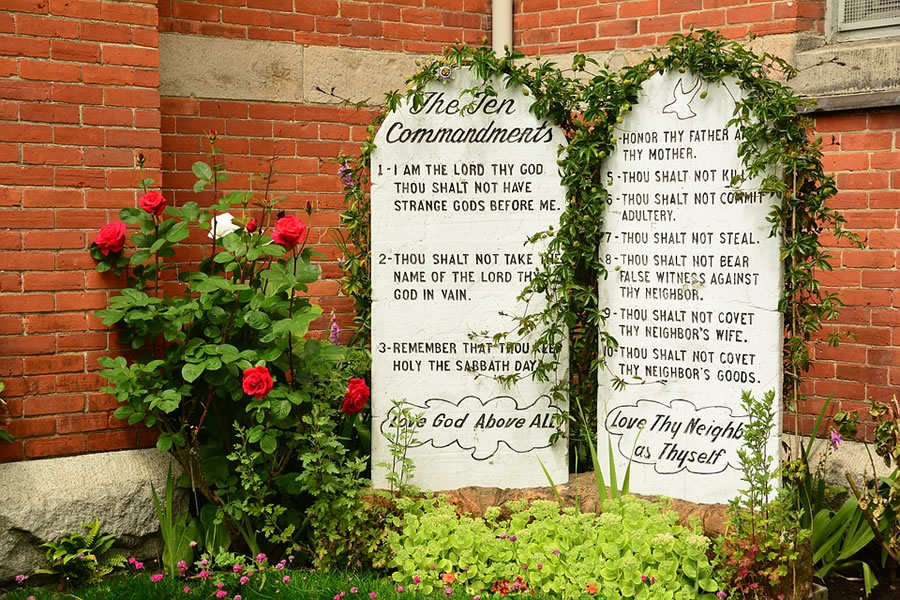
11-03-2024Weekly ReflectionWe Celebrate Worship Resource, Vol. 49, No. 1It is incredibly rewarding for a teacher to see or hear that glimmer of understanding in a student, especially in a student who has failed to comprehend earlier lessons. Scribes had consistently failed to understand Jesus. They were more concerned about keeping Sabbath practices and eating with clean hands than about doing good for others. But today we meet a scribe who, when told that the greatest of all commandments is to love God with our whole self and to love our neighbor as ourselves, immediately points out that these are worth more than all the offerings made in the temple. Jesus, seeing that he “got it,” assures him, “You are not far from the kingdom of God” (Mark 12:34). We just honored the saints, whom we believe are in God’s kingdom. This is our goal as well. Today we are reminded of the means to that goal. The love and care that we have for ourselves must be turned outward, toward God and our neighbor. This sacrifice—not one of the burnt offerings, but the selfless one Jesus modeled for us on the cross—is the sacrifice Jesus calls us to make.
How will you show that you too understand the greatest commandment?
El Gran Mandamiento
Es increíblemente gratificante para un maestro ver u oír ese destello de comprensión en un estudiante, especialmente en un estudiante que no ha comprendido las lecciones anteriores. Los escribas habían fracasado constantemente en entender a Jesús. Estaban más preocupados por guardar las prácticas del sábado y comer con las manos limpias que por hacer el bien a los demás. Pero hoy nos encontramos con un escriba que, cuando se le dice que el mayor de todos los mandamientos es amar a Dios con todo nuestro ser y amar al prójimo como a nosotros mismos, inmediatamente señala que estos valen más que todas las ofrendas que se hacen en el templo. Jesús, viendo que lo había entendido, le asegura: “No estás lejos del reino de Dios” (Marcos 12:34). Acabamos de honrar a los santos, quienes creemos que están en el reino de Dios. Este es también nuestro objetivo. Hoy se nos recuerda el medio para alcanzar ese objetivo. El amor y el cuidado que tenemos por nosotros mismos deben dirigirse hacia afuera, hacia Dios y hacia el prójimo. Este sacrificio —no el de un holocausto, sino el desinteresado que Jesús modeló para nosotros en la cruz—es el sacrificio que Jesús nos llama a hacer.
¿Cómo demostrarás que tú también en endes el mayor mandamiento?