St. Francis of Assisi Weekly Reflections

Invited to the Feast
08-31-2025Weekly ReflectionWe Celebrate Worship Resource, Vol. 49, No. 1Jesus loves to tell parables about banquets and feasts, doesn't he? In the one we hear today, a guest takes a prominent seat at the table, only to be directed, embarrassingly, to the lowest place instead. Jesus praises the guest who sits humbly and then is invited to a higher position.
He has a lesson to the host as well: Do not invite those who will repay you by inviting you to their own feasts, but the poor and forgotten, who have no way to repay you. "You will be repaid," Jesus concludes, in a much better way: "at the resurrection of the righteous" (Luke 14:14).
Jesus invites us all to the heavenly banquet, an offer we have no ability to return in kind. Or do we? Recall that Jesus teaches that what we do for the least of our brothers and sisters we do for him. Therefore, we repay him by feeding and clothing and visiting and caring for the Christ in those who cannot personally repay us. In lavishing our prosperity on those in need, we invite Christ to a banquet.
When you give yourself to someone in need, do you feel your reward in your heart? What will you do this week for someone in need?
-We Celebrate Worship Resource, Vol. 50, No. 3
Invitado a la Fiesta
A Jesús le encanta contar parábolas sobre banquetes y fiestas, ¿verdad? En la que escuchamos hoy, un invitado ocupa un lugar destacado en la mesa, solo para ser dirigido, vergonzosamente, al último lugar. Jesús elogia al invitado que se sienta humildemente y luego es invitado a una posicion mas alta.
Tambien tiene una lección para el anfitrión: No invites a quienes te recompensarán invitándote a sus propios banquetes, sino a los pobres y olvidados, que no tienen con qué recompensarte. "Serás recompensado", concluye Jesus, de una manera mucho mejor: "cuando resuciten los justos" (Lucas 14:14).
Jesús nos invita a todos al banquete celestial, una oferta que no podemos devolver con la misma moneda. ¿O sí? Recordemos que Jesús enseña que lo que hacemos por el mas pequeno de nuestros hermanos y hermanas, lo hacemos por él. Por lo tanto, le pagamos alimentando, vistiendo, visitando y cuidando a Cristo en aquellos que no pueden correspondernos personalmente. Al prodigar nuestra prosperidad a los necesitados, invitamos a Cristo a un banquete.
¿Cuando te entregas a alguien necesitado, ¿sientes la recompensa en tu corazon? ¿Que haras esta semana por alguien necesitado?
-We Celebrate Worship Resource, Vol. 50, No. 3
Seeking Humility
08-31-2025Question of the WeekReading I Sirach 3:17-18, 20, 28-29 . Humility
Reading II Hebrews 12:18-19, 22-24a . God the judge; Jesus the mediator
Gospel Luke 14:1, 7-14 . A lesson in humility
Key Passage: Jesus said, "But when you give a banquet, invite the poor, the crippled, the lame, and the blind. And you will be blessed, because they cannot repay you, for you will be repaid at the resurrection of the righteous." (Luke 14:13-14)
Adults: Has the hunger for status and influence in the world around you endangered your life as a Christian?
Kids: Does it make you a better person to be chosen first for a team or some other honor? Why or why not?
Buscando la Humildad
Lectura I Sirach 3:17-18, 20, 28-29 . Humildad
Lectura II Hebreos 12:18-19, 22-24a · Dios, el juez; Jesús, el mediador
Evangelio Lucas 14:1, 7-14 . Una leccion de humildad
Pasaje Clave: Jesús dijo: "Al contrario, cuando des un banquete, invita a los pobres, a los lisiados, a los cojos y a los ciegos. Y serás dichoso, porque ellos no tienen con que pagarte; pero ya se te pagará, cuando resuciten los justos." (Lucas 14:13-14)
Adultos: ¿Ha puesto en peligro tu vida como cristiano el ansia de estatus e influencia en el mundo que te rodea?
Ninos: ¿Te hace mejor persona ser elegido primero para un equipo o algún otro honor? ¿Por qué sí o por qué no?
The Narrow Door
08-24-2025Question of the WeekReading I Isaiah 66:18-21 . Gathering of the nations
Reading II Hebrews 12:5-7, 11-13 · The discipline of God
Gospel Luke 13:22-30 . The narrow door
Key Passage: Jesus answered them, "Strive to enter through the narrow door; for many, I tell you, will try to enter and will not be able." (Luke 13:24)
Adults: What daily choices are you making that will allow you to be recognized at the doorway of the reign of God?
Kids: What good habits are you practicing in order to be a good Christian?
La Puerta Estrecha
Lectura I Isaías 66:18-21 . La reunion de las naciones
Lectura II Hebreos 12:5-7, 11-13 . La disciplina de Dios
Evangelio Lucas 13:22-30 . La puerta angosta
Pasaje Clave: Jesus les respondio: "Esfuercense por entrar por la puerta angosta; porque les digo que muchos intentarán entrar y no podrán" (Lucas 13:24).
Adultos: ¿Qué decisiones diarias toman que les permitirán ser reconocidos en la puerta del reino de Dios?
Niños: ¿Que buenos habitos practican para ser buenos cristianos?

The Narrow Gate
08-24-2025Weekly ReflectionWe Celebrate Worship Resource, Vol. 49, No. 1It's a perfectly normal question to ask Jesus: "Lord, will only a few people be saved?" (Luke 13:2) In other words, what are my chances of making it to heaven? Jesus responds, "Strive to enter through the narrow gate, for many, I tell you, will attempt to enter but will not be strong enough" (13:24). Neither "narrow gate" nor "not strong enough" sounds good, and neither does the story of those refused entry, left wailing and grinding their teeth.
But perhaps by not giving a straight answer, Jesus is telling us more. First, that it is important to strive to make it to heaven. We should repent, pray, do good, love God and neighbor, and serve the least of our brothers and sisters. Namely, we must live our faith. And second, to teach that none of us alone is strong enough, but by God's grace we all can enter the narrow gate.
This gives us hope, for no matter how much we strive, we are human, imperfect and weak. Let us pray that by the grace of God there may be a constant flood, "from the east and the west, from the north and the south," through that narrow gate (13:29).
What can you do to strive to enter through the narrow gate?
-We Celebrate Worship Resource, Vol. 50, No. 3
La Puerta Estrecha
Es perfectamente normal preguntarle a Jesús: «Señor, ¿se salvarán pocos?» (Lucas 13:2). En otras palabras, ¿qué posibilidades tengo de llegar al cielo? Jesús responde: «Esfuércense por entrar por la puerta estrecha, porque les digo que muchos intentaran entrar, pero no serán lo suficientemente fuertes» (13:24). Ni «puerta estrecha» ni «no lo suficientemente fuertes» suenan bien, como tampoco lo es la historia de quienes se quedaron llorando y rechinando los dientes.
Pero quizás al no dar una respuesta directa, Jesús nos está diciendo más. Primero, que es importante esforzarse por llegar al cielo. Debemos arrepentirnos, orar, hacer el bien, amar a Dios y al prójimo, y servir a los más pequeños. Es decir, debemos vivir nuestra fe. Y segundo, enseñar que nadie es lo suficientemente fuerte solo, sino que por la gracia de Dios todos podemos entrar por la puerta estrecha.
Esto nos da esperanza, porque por mucho que nos esforcemos, somos humanos, imperfectos y debiles. Oremos para que por la gracia de Dios haya un diluvio constante, "del oriente y del occidente, del norte y del sur", a través de esa puerta estrecha (13:29).
¿Que puedes hacer para esforzarte en entrar por la puerta estrecha?
-We Celebrate Worship Resource, Vol. 50, No. 3
An Unsettling Truth
08-17-2025Question of the WeekReading I Jeremiah 38:4-6, 8-10 . Jeremiah in the miry cistern
Reading II Hebrews 12:1-4 . God's treatment of his sons and daughters
Gospel Luke 12:49-53 . Jesus' mission of division
Key Passage: Jesus said, "Do you think that I have come to bring peace to the earth? No, I tell you, but rather division!" (Luke 12:51)
Adults: When has your taking a strong stand on a moral issue created division rather than healing in the short term?
Kids: Is it important to do the right thing even if others are angry as a result? Why or why not?
Una Verdad Inquietante
Lectura I Jeremías 38:4-6, 8-10 . Jeremías en la cisterna fangosa
Lectura II Hebreos 12:1-4 . El trato de Dios a sus hijos e hijas
Evangelio Lucas 12:49-53 . La mision de Jesus de crear division
Pasaje Clave: Jesus dijo: "¿Pensais que he venido a traer paz a la tierra? ¡No, os digo, sino división!" (Lucas 12:51)
Adultos: ¿Cuándo tu adopción de una postura firme sobre una cuestion moral ha creado division en lugar de sanación a corto plazo?
Ninos: ¿Es importante hacer lo correcto incluso si otros se enojan como resultado? ¿Por que sí o por que no?

Set the Earth on Fire
08-17-2025Weekly ReflectionWe Celebrate Worship Resource, Vol. 49, No. 1How do you think Jeremiah felt after the princes of Judah threw him into a cistern and left him to die? As death by starvation came closer, did he regret speaking out in God's name? Clearly he did not, for after he is rescued and after today's first reading ends, he continues to warn the people of God's wrath. Jeremiah is ready to pay any price for speaking the truth. Jesus is too.
He realizes that preaching about a kingdom in which the first will be last, the lofty will be thrown down from their thrones, and the poor and the persecuted will be the ones to inherit it is divisive. But this is why he has come. That the message is divisive and leads to persecution is not a sign that it should be silenced-just the opposite.
Therefore, he welcomes the blazing fire, the divided households, the baptism that will be his death on the cross. These are signs that he is accomplishing his mission. It is our turn now to preach his message and face opposition. But we do so knowing that as "the leader and perfecter of faith," Jesus is our model as we "persevere in running the race" to that kingdom. (Hebrews 12:1-2)
Have you spoken up for justice, truth, or your faith when you know it will be divisive? When do you plan to do so?
-We Celebrate Worship Resource, Vol. 50, No. 3
Traer Fuego a la Tierra
¿Cómo creen que se sintió Jeremías después de que los príncipes de Judá lo arrojaran a una cisterna y lo dejaran morir? Al acercarse a la muerte por hambre, ¿se arrepintio de hablar en nombre de Dios? Claramente no, pues tras ser rescatado y al terminar la primera lectura de hoy, continua advirtiendo al pueblo de la ira de Dios. Jeremías está dispuesto a pagar cualquier precio por decir la verdad. Jesus también.
Es consciente de que predicar sobre un reino en el que los primeros seran los ultimos, los encumbrados seran derribados de sus tronos y los pobres y perseguidos seran quienes lo hereden, causa división. Pero para eso ha venido. Que el mensaje cause division y conduzca a la persecucion no es señal de que deba silenciarse, sino todo lo contrario.
Por eso, acoge con agrado el fuego ardiente, los hogares divididos, el bautismo que sera su muerte en la cruz. Estas son señales de que esta cumpliendo su mision. Ahora nos toca a nosotros predicar su mensaje y enfrentar la oposicion. Pero lo hacemos sabiendo que, como "el líder y consumador de la fe", Jesús es nuestro modelo a medida que "perseveramos en la carrera" hacia ese reino. (Hebreos 12:1-2)
¿Has defendido la justicia, la verdad o tu fe sabiendo que generará divisiones? ¿Cuándo planeas hacerlo?
-We Celebrate Worship Resource, Vol. 50, No. 3
Running the Race of Faith
08-10-2025Question of the WeekReading I Wisdom 18:6-9 . On the death of the Egyptian first-born
Reading II Hebrews 11:1-2, 8-19 · Faith of the ancients
Gospel Luke 12:32-48 . We depend on god; prepare for the master's return
Key Passage: Therefore, since we are surrounded by so great a cloud of witnesses, let us also lay aside every weight and the sin that clings so closely, and let us run with perseverance the race that is set before us, looking to Jesus the pioneer and perfecter of our faith. (Hebrews 12:1-2a)
Adults: Other than Jesus, which of the ancestors of Christian faith has served as the greatest example to you? Why?
Kids: Which person of the Bible has been a good example to you of how to live?
Corriendo La Carrera de la Fe
Lectura I Sabiduría 18:6-9 .Sobre la muerte del primogénito egipcio
Lectura II Hebreos 11:1-2, 8-19 .La fe de los antiguos
Evangelio Lucas 12:32-48 . Dependemos de Dios; preparémonos para el regreso del Señor
Pasaje Clave: Por tanto, nosotros también, teniendo en derredor nuestro tan grande nube de testigos, despojémonos de todo peso y del pecado que nos asedia, y corramos con paciencia la carrera que tenemos por delante, puestos los ojos en Jesús, el autor y consumador de la fe. (Hebreos 12:1-2a)
Adultos: Además de Jesús, ¿cuál de los antepasados de la fe cristiana te ha servido de mayor ejemplo? ¿Por qué?
Niños: ¿Qué personaje de la Biblia te ha dado un buen ejemplo de vida?

In God We Trust
08-10-2025Weekly ReflectionWe Celebrate Worship Resource, Vol. 49, No. 1"In God we trust." What do you think of when you hear that phrase? Probably money, since that sentence appears on all U.S. currency. Appropriate, seemingly, for it is money in which we often place the most trust. It can provide for our material needs and give us peace of mind for the future, much as the rich man in last Sunday's Gospel or Jesus' disciples in today's believed it would.
But Jesus tells them no, their true treasure is in heaven, inexhaustible and imperishable. They only need trust in God. The authors of both Wisdom and Hebrews recall the trust their forebears had in God, to deliver them out of slavery, to provide descendants as numerous as the stars.
Their powerful faith, which led Abraham to believe that God must even have the power to raise the dead when he was asked to sacrifice Isaac, was now needed by Luke's audience, for they had begun to doubt that Jesus would return as he had promised. Even now, after two thousand years, the master in Jesus' parable has yet to return.
So we are challenged to keep the faith as well, to seek our treasure in the kingdom of heaven and not the kingdom of wealth, and to acclaim truly, "In God we trust."
How do you show your trust in God?
-We Celebrate Worship Resource, Vol. 50, No. 3
En Dios Confiamos
"En Dios confiamos." ¿Qué te viene a la mente cuando escuchas esa frase? Probablemente, dinero, ya que aparece en toda la moneda estadounidense. Apropiado, al parecer, pues es en el dinero en el que a menudo depositamos nuestra mayor confianza. Puede cubrir nuestras necesidades materiales y darnos tranquilidad para el futuro, tal como creían el hombre rico del Evangelio del domingo pasado o los discípulos de Jesús en el de hoy.
Pero Jesus les dice que no, que su verdadero tesoro está en el cielo, inagotable e imperecedero. Solo necesitan confiar en Dios. Los autores de la Sabiduría y de Hebreos recuerdan la confianza que sus antepasados tenían en Dios para liberarlos de la esclavitud y darles una descendencia tan numerosa como las estrellas.
Su poderosa fe, que llevo a Abraham a creer que Dios debía tener el poder incluso de resucitar a los muertos cuando se le pidió que sacrificara a Isaac, ahora era necesaria para la audiencia de Lucas, pues habían comenzado a dudar del regreso de Jesus como lo había prometido. Incluso ahora, después de dos mil años, el maestro de la parábola de Jesús aún no ha regresado.
Así que estamos desafiados a mantener la fe tambien, a buscar nuestro tesoro en el reino de los cielos y no en el reino de las riquezas, y aclamar verdaderamente: "En Dios confiamos".
¿Como demuestras tu confianza en Dios?
-We Celebrate Worship Resource, Vol. 50, No. 3
Seeking Balance
08-03-2025Question of the WeekReading I Ecclesiastes 1:2; 2:21-23 . On vanity
Reading II Colossians 3:1-5, 9-11 Mystical death and resurrection
Gospel Luke 12:13-21 · Trust in God, not in possessions
Key Passage: And Jesus said to them, "Take care! Be on your guard against all kinds of greed; for one's life does not consist in the abundance of possessions." (Luke 12:15)
Adults: When have you felt that possessions were becoming too important in your life?
Kids: Have you ever received a gift you wanted a lot and then found it didn't make you as happy as you thought it would?
Buscando el Equilibrio
Lectura I Eclesiastés 1:2; 2:21-23 . Sobre la vanidad
Lectura II Colosenses 3:1-5, 9-11 · Muerte y resurrección mística
Evangelio Lucas 12:13-21 . Confía en Dios, no en las posesiones
Pasaje Clave Jesús les dijo: "Tengan cuidado. Cuídense de toda clase de avaricia; porque la vida del hombre no consiste en la abundancia de los Bienes" (Lucas 12:15).
Adultos: ¿Cuándo has sentido que las posesiones se estaban volviendo demasiado importantes en tu vida?
Niños: ¿Alguna vez recibiste un regalo que deseabas mucho y luego descubriste que no te hacía tan feliz como pensabas?
Where Are Your Riches?
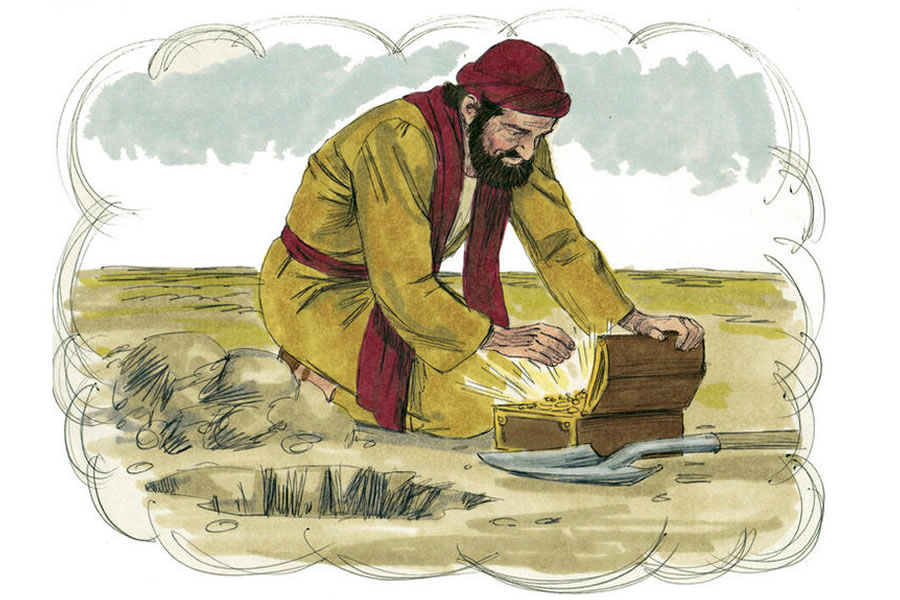
08-03-2025Weekly ReflectionWe Celebrate Worship Resource, Vol. 49, No. 1"Are you saving enough for ...? " We hear this question throughout our lives, about buying a home, paying for college for our children, or retirement. Today's readings offer a different view, pointing out the folly of obsessing over the pursuit of wealth. "All things are vanity!" says Qoheleth, pointing out that when we die, all our possessions will be left to someone who never worked for them or worried over them (Ecclesiastes 1:2).
Jesus' parable teaches the same lesson. The rich man whose harvest would satisfy all his material needs for years dies that very night. After all that planning! Where did he go wrong? A clue may be found in the word Jesus used to describe that harvest: bountiful. Bounty is something given generously.
The rich man seemed to think of the earth's bounty as something he deserved to possess and could hoard, not as a gift that he could in turn give. "Think of what is above, not of what is on earth," Saint Paul writes (Colossians 3:2), for what is important is not an accumulation of riches in this life, but eternal life in heaven. We are all offered the bounty of salvation; everything else we gain will pass.
What do you value the most? Where are your riches?
-We Celebrate Worship Resource, Vol. 50, No. 3
¿Dóndeestán Tusriquezas?
¿Estás ahorrando lo suficiente para ...? " Escuchamos esta pregunta a lo largo de nuestras vidas, ya sea al comprar una casa, pagar la universidad de nuestros hijos o la jubilación. Las lecturas de hoy ofrecen una perspectiva diferente, señalando la insensatez de obsesionarse con la búsqueda de riquezas. "¡Todo es vanidad!", dice Cohélet, señalando que cuando muramos, todas nuestras posesiones pasarán a manos de alguien que nunca trabajó por ellas ni se preocupó por ellas (Eclesiastés 1:2).
La parábola de Jesús enseña la misma leccion. El hombre rico cuya cosecha satisfaría todas sus necesidades materiales durante años muere esa misma noche. ¡Despues de tanta planificación! ¿Dónde se equivocó? Una pista puede encontrarse en la palabra que Jesús usó para describir esa cosecha: abundante. La abundancia es algo que se da generosamente.
El hombre rico parecía pensar en la abundancia de la tierra como algo que merecía poseer y podía acumular, no como un regalo que a su vez podía dar. "Pensad en las cosas de arriba, no en las de la tierra", escribe San Pablo (Colosenses 3:2), pues lo importante no es acumular riquezas en esta vida, sino la vida eterna en el cielo. A todos se nos ofrece la recompensa de la salvación; todo lo demás que obtengamos pasará.
¿Qué es lo que más valoras? ¿Dónde están tus riquezas?
-We Celebrate Worship Resource, Vol. 50, No. 3

Seek and You Will Find
07-27-2025Weekly ReflectionWe Celebrate Worship Resource, Vol. 49, No. 1Proving that it never hurts to ask, Abraham repeatedly asks God how many innocent people would there have to be in a city to change God's mind about destroying it. It appears Jesus would agree with this approach as well, as he gives an example of a desperate person awakening a friend's entire household at midnight to ask for three loaves of bread.
That God welcomes persistent requests at any hour is reassuring, but perhaps there is more to be learned here. By effectively asking God to show greater and greater mercy by progressively lowering the number of innocent by standards, Abraham learns that God is indeed much more merciful than he originally thought. More creative, too.
After all the examples Jesus gives of asking and receiving, he tells his disciples that the Father will give the Holy Spirit to those who ask. Who would have ever thought to ask for the third person of the Trinity? Perhaps Jesus is trying to teach his disciples and us that God answers our prayers in ways both unimaginable and overwhelming.
When we ask for "our daily bread" and "forgive us our sins," God gives us living bread and eternal redemption. No, indeed, it never hurts to ask.
What do you look for as an answer to your prayers?
-We Celebrate Worship Resource, Vol. 50, No. 3
Busca Y Encontraras
Demostrando que nunca está de más pedir, Abraham le pregunta repetidamente a Dios cuántas personas inocentes tendría que haber en una ciudad para que Dios cambiara de opinión sobre destruirla. Parece que Jesús también estaría de acuerdo con este enfoque, ya que da el ejemplo de una persona desesperada que despierta a toda la casa de un amigo a medianoche para pedirle tres panes.
Que Dios reciba peticiones persistentes a cualquier hora es reconfortante, pero quizás haya más que aprender aquí. Al pedirle a Dios con eficacia que muestre cada vez mayor misericordia, reduciendo progresivamente el número de inocentes según los estándares, Abraham aprende que Dios es, de hecho, mucho más misericordioso de lo que originalmente creía. Más creativo, también.
Después de todos los ejemplos que Jesús da de pedir y recibir, les dice a sus discípulos que el Padre dará el Espíritu Santo a quienes lo pidan. ¿Quién hubiera pensado en pedir a la tercera persona de la Trinidad? Quizás Jesús intenta enseñarles a sus discípulos y a nosotros que Dios responde a nuestras oraciones de maneras inimaginables y abrumadoras.
Cuando pedimos "nuestro pan de cada día" y "perdónanos nuestros pecados", Dios nos da el pan vivo y la redención eterna. No, de hecho, nunca está de más pedir.
¿Que buscas como respuesta a tus oraciones?
-We Celebrate Worship Resource, Vol. 50, No. 3
Daily Prayer
07-27-2025Question of the WeekReading I Genesis 18:20-32 . Abraham intercedes for Sodom
Reading II Colossians 2:12-14 . Sovereign role of Christ
Gospel Luke 11:1-13 . The Our Father
Key Passage: Jesus said, "So I say to you, Ask, and it will be given you; search, and you will find; knock, and the door will be opened for you." (Lk. 11:9)
Adults: Have your most recent prayers been prayers of praise, petition, or sorrow? Which kind of prayer do you need to practice more often?
Kids: What are you most thankful for right now?
Oracion Diaria
Lectura I Génesis 18:20-32 . Abraham intercede por Sodoma
Lectura II Colosenses 2:12-14 . El rol soberano de Cristo
Evangelio Lucas 11:1-13 . El Padrenuestro
Pasaje Clave Jesús dijo: "Por eso les digo: Pidan, y se les dará; busquen, y encontrarán; toquen, y se les abrirá" (Lc. 11:9).
Adultos: ¿Tus oraciones más recientes han sido de alabanza, petición o tristeza? ¿Qué tipo de oración necesitan practicar con más frecuencia?
Niños: ¿De qué estas más agradecidos ahora mismo?
Unexpected Encounters with Jesus
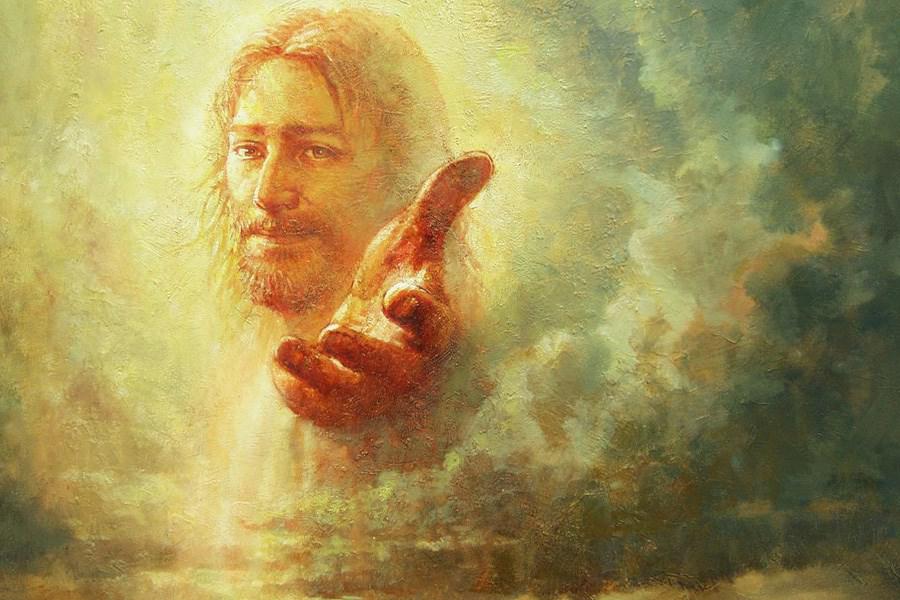
07-20-2025Weekly ReflectionWe Celebrate Worship Resource, Vol. 49, No. 1Abraham does not realize that he is encountering the Lord when he welcomes three traveling strangers that hot afternoon. He invites them to eat, drink, and rest, providing hospitality above and beyond what was expected in his culture. Only after one of the visitors tells him that his elderly wife Sarah will bear a son does Abraham realize who they are.
Similarly, Paul had certainly not expected to encounter the Lord on his way to Damascus to arrest more Christians. But after the risen Lord reveals himself, he tells Paul that he has chosen him to proclaim his name to all people, Jews and Gentiles alike, and to reveal the "mystery hidden from ages and from generations past": that salvation is offered to all, that all may be perfect in Christ (Colossians 1:26).
Mary may have known of Jesus when her sister Martha welcomed him into their home, but the way he holds her spellbound suggests that she had not anticipated such a powerful encounter with him. On any given day we too may be surprised when we encounter the Lord, whether in prayer, in God's word, in our neighbor in need, or in the Eucharist.
May we welcome him as well, choosing to spend time in his presence, for this is "the better part and it will not be taken from [us]" (Luke 10:42). When have you been surprised by the Lord's presence in a special way?
-We Celebrate Worship Resource, Vol. 50, No. 3
Encuentros Inesperados Con Jesús
Abraham no se da cuenta de que se encuentra con el Senor cuando le da la bienvenida a tres extraños que viajan esa tarde calurosa. Los invita a comer, beber y descansar, proporcionando hospitalidad mas allá de lo esperado en su cultura. Solo después de que uno de los visitantes le dice que su anciana esposa Sarah tendrá un hijo, es que Abraham se da cuenta de quiénes son.
Del mismo modo, Pablo ciertamente no había esperado encontrarse con el Senor en su camino a Damasco para arrestar a más cristianos. Pero después de que el Señor resucitado se revela, le dice a Pablo que lo ha elegido para que proclame su nombre a todas las personas, judíos y gentiles por igual, y que revele el "misterio que había estado oculto desde los siglos y edades": que la salvación es para todos, que todos pueden ser perfectos en Cristo (Colosenses 1:26).
María puede haberlo sabido de Jesus cuando su hermana Marta lo recibió en su casa, pero la forma en que mantiene su atención sugiere que no había anticipado un encuentro tan poderoso con el. En cualquier día determinado, nosotros tambien podemos sorprendernos cuando nos encontramos con el Senor, ya sea en oracion, en la Palabra de Dios, en nuestro prójimo necesitado o en la Eucaristía.
Que podamos darle la bienvenida también, eligiendo pasar tiempo en su presencia, ya que esta es "la mejor parte y la cual no le será quitada" (Lucas 10:42). ¿Cuando te ha sorprendido la representación del Señor de una manera especial?
-We Celehrate Worship Resource, Vol. 50, No. 3

Live the Law of Love
07-13-2025Weekly ReflectionWe Celebrate Worship Resource, Vol. 49, No. 1When we hear the word love, we tend to think of the tender feeling we have for our spouse or significant other or those closest to us. But Jesus reminds us today that love is much more than a feeling. Love requires doing. After Jesus affirms that in order to inherit eternal life we must love our neighbor as ourselves, the lawyer asks, "And who is my neighbor?" (Luke 10:29).
In his story of the good Samaritan, Jesus clearly broadens the concept of neighbor, which at the time it was used in the Torah-"You shall love your neighbor as yourself" (Leviticus 19:18)-was thought to mean one's fellow Israelite. But he also broadens the concept of love.
Yes, Jesus says that the Samaritan feels compassion, but he goes into much greater detail about everything the Samaritan does out of love: stopping and approaching the injured man, treating and bandaging his wounds, lifting him up on his animal, taking him to an inn, caring for him all through the night, and paying the innkeeper generously.
This is what love really is. This is how we love our neighbor and love God.
What will you do this week to put love for someone else into action?
-We Celebrate Worship Resource, Vol. 50, No. 3
Vivan la Ley del Amor
Cuando escuchamos la palabra amor, solemos pensar en el tierno sentimiento que sentimos por nuestro cónyuge, pareja o seres queridos. Pero Jesús nos recuerda hoy que el amor es mucho más que un sentimiento. Amar requiere acción. Después de que Jesús afirma que para heredar la vida eterna debemos amar a nuestro prójimo como a nosotros mismos, el intérprete de la ley pregunta: "¿Y quién es mi prójimo?" (Lucas 10:29).
En su historia del buen samaritano, Jesús amplía claramente el concepto de prójimo, que en su época se usaba en la Torá: "Amarás a tu prójimo como a ti mismo" (Levítico 19:18), se pensaba que se refería a nuestro compatriota israelita. Pero también amplía el concepto de amor.
Sí, Jesús dice que el samaritano siente compasión, pero detalla mucho más todo lo que hace por amor: detenerse y acercarse al herido, curar y vendar sus heridas, subirlo a su caballo, llevarlo a una posada, cuidarlo toda la noche y pagar generosamente al posadero.
Esto es realmente el amor. Así es como amamos al prójimo y a Dios.
¿Qué harás para ayudar a manifestar el reino de Dios en este mundo?
-We Celebrate Worship Resource, Vol. 50, No. 3
Acting with Mercy
07-13-2025Question of the WeekReading I Deuteronomy 30:10-14 . God's command is clear
Reading II Colossians 1:15-20 . Christ's fullness and reconciliation
Gospel Luke 10:25-37 . The good Samaritan
Key Passage: But a Samaritan, while traveling, came near him; and when he saw him, he was moved with pity. He went to him and bandaged his wounds, having poured oil and wine on them. Then he put him on his own animal, brought him to an inn, and took care of him. (Lk. 10:33-34)
Adults: When have you gone out of your way to help a stranger in need?
Kids: Would you help a new student who needed help? Why or why not?
Actuando con Misericordia
Lectura I Deuteronomio 30:10-14 · El mandato de Dios es claro
Lectura II Colosenses 1:15-20 . La plenitud y reconciliacion de Cristo
Evangelio Lucas 10:25-37 . El buen Samaritano
Pasaje Clave: Un samaritano que iba de viaje se acercó a él, y al verlo, se compadeció. Se acercó, le vendó las heridas, echándoles aceite y vino. Luego, lo montó en su propia cabalgadura, lo llevó a una posada y lo cuidó. (Lc. 10:33-34)
Adultos: ¿Cuándo te has esforzado por ayudar a un extraño necesitado?
Niños: ¿Ayudarías a un estudiante nuevo que necesitara ayuda? ¿Por qué sí o por qué no?
Accepting the Christian Message
07-06-2025Question of the WeekReading I Isaiah 66:10-14c . Mother Zion
Reading II Galatians 6:14-18 . The Cross, our true boast
Gospel Luke 10:1-12, 17-20 or 10:1-9 · Mission of the 72
Key Passage: Jesus said to the disciples, "Whenever you enter a town and they do not welcome you, go out into its streets and say, 'Even the dust of your town that clings to our feet, we wipe off in protest against you. Yet know this: the kingdom of God has come near.'" (Lk. 10:10-11)
Adults: Where do you see the message of Christian faith being rejected in the world today? What is your response to that?
Kids: What can you do when you are generous with others, and they do not want what you give them?
Aceptando el Mensaje Cristiano
Lectura I Isaías 66:10-14c . Madre Sion
Lectura II Gálatas 6:14-18 . La Cruz, nuestra verdadera gloria
Evangelio Lucas 10:1-12, 17-20 o 10:1-9 · Mision de los 72
Pasaje Clave: Jesús dijo a sus discípulos, "En cualquier ciudad donde entres y no te reciban, sal a sus calles y di: 'Hasta el polvo de su ciudad que se pega a nuestros pies, nos lo sacudimos en protesta contra ustedes; pero sepan esto: que el reino de Dios se ha acercado.'" (Lc. 10:10-11).
Adultos: ¿Donde ves que se rechaza el mensaje de la fe cristiana en el mundo actual? ¿Cuál es tu respuesta a esto?
Niños: ¿Qué puedes hacer cuando eres generoso con los demás y ellos no quieren lo que les das?
The Laborers are Few
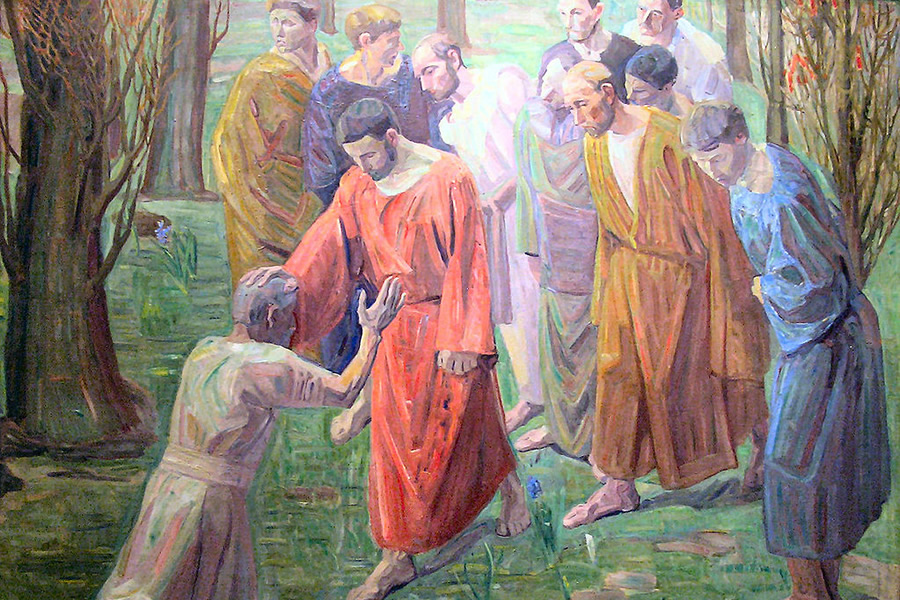
07-06-2025Weekly ReflectionWe Celebrate Worship Resource, Vol. 49, No. 1The harvest is abundant," Jesus begins, likely sending feelings of joy and anticipation rippling through the gathering (Luke 10:2). "But the laborers are few," he continues, "Behold, I am sending you like lambs among wolves" (10:2-3). That puts a damper on things! Then he sends them off on this daunting work with nothing more than the clothes on their backs.
But he has given them something much greater than what they could put in a money bag or sack: the power to proclaim that the kingdom of God is near. Indeed, they return rejoicing, having cured the sick and driven out demons. These are truly signs of the kingdom. We are those laborers for the kingdom now. We can bring peace to our households by offering forgiveness and understanding. We can heal suffering by giving comfort and care to those in need.
We can drive out the demons of sin, injustice, and oppression when we work to defeat them. It is not easy. Saint Paul attests to that when he says that he bears the marks of Jesus on his body. But the reward is great, for the power of Jesus' cross, of which Paul boasts, makes God's harvest of souls into the kingdom abundant.
What will you do to help manifest the kingdom of God in this world?
-We Celebrate Worship Resource, Vol. 50, No. 3
Los Obreros son Pocos
La cosecha es abundante", comienza Jesús, probablemente infundiendo alegría y anticipación en la reunión (Lucas 10:2). "Pero los obreros son pocos", continúa, "iMiren, los envío como corderos en medio de lobos!" (10:2-3). ¡Eso empaña las cosas! Luego los envía a esta ardua tarea con solo la ropa que llevan puesta.
Pero les ha dado algo mucho mayor de lo que podrían meter en una bolsa o un costal: el poder de proclamar que el reino de Dios está cerca. De hecho, regresan gozosos, tras haber curado a los enfermos y expulsado demonios. Estas son verdaderas señales del reino. Nosotros somos esos obreros del reino ahora. Podemos traer paz a nuestros hogares ofreciendo perdón y comprensión. Podemos sanar el sufrimiento brindando consuelo y cuidado a los necesitados.
Podemos expulsar los demonios del pecado, la injusticia y la opresión cuando nos esforzamos por vencerlos. No es fácil. San Pablo lo atestigua cuando dice que lleva las marcas de Jesús en su cuerpo. Pero la recompensa es grande, pues el poder de la cruz de Jesús, del que Pablo se jacta, hace abundante la cosecha de almas de Dios para el reino.
¿Qué harás para ayudar a manifestar el reino de Dios en este mundo?
-We Celebrate Worship Resource, Vol. 50, No. 3