St. Francis of Assisi Weekly Reflections
Saints Peter and Paul
06-29-2025Question of the WeekReading I Acts 12:1-11 . Peter's Escape From Prison
Reading II 2 Timothy 4:6-8, 17-18 . Reward for Fidelity
Gospel Matthew 16:13-19 . Peter's Confession
Key Passage: And so I say to you, you are Peter, and upon this rock I will build my church. (Mark 16:18a)
Adults: If you were asked, how would you explain Jesus to a person who had not heard of him?
Kids: Who do you tell people Jesus is?
Santos Pedro y Pablo
Lectura I Hechos 12:1-11 . La huida de Pedro de la carcel
Lectura II 2 Timoteo 4:6-8, 17-18 · Recompensa por la fidelidad
Evangelio Mateo 16:13-19 . La confesion de Pedro
Pasaje Clave: Tú eres Pedro, y sobre esta roca edificaré mi iglesia. (Marcos 16:18a)
Adultos: Si te preguntaran, ¿cómo explicarías quién es Jesús a alguien que no lo conoce?
Ninos: ¿Quien le dices a la gente que es Jesus?
Transformed by God
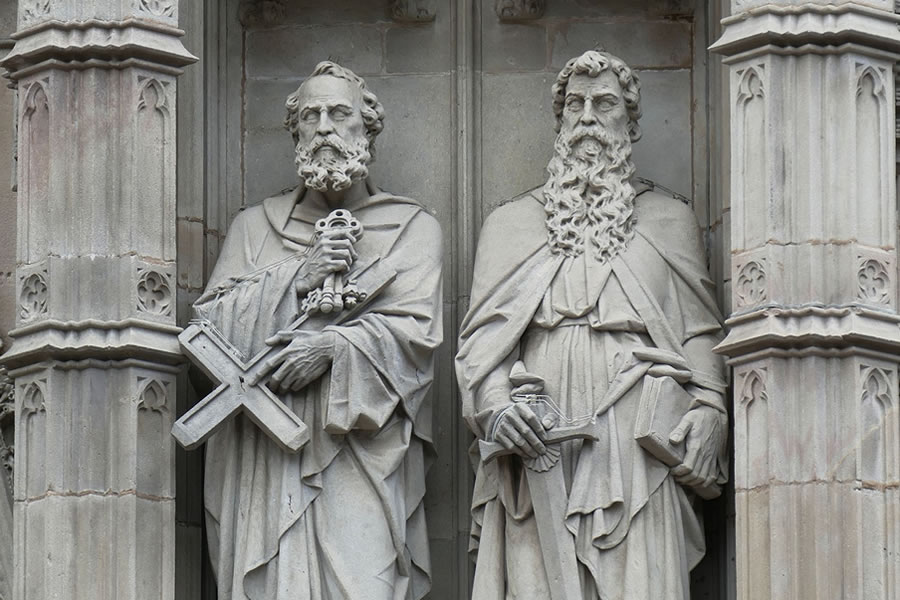
06-29-2025Weekly ReflectionWe Celebrate Worship Resource, Vol. 49, No. 1It is hard to imagine how the Christian faith would have grown to become what it is today without the firm foundation and extensive expansion that Saints Peter and Paul provided. But it is even harder to imagine any two people who appeared less likely to fulfill such roles! When Jesus was arrested, Simon Peter denied him three times and fled. But after he rose, Jesus took Simon aside and asked him three times if he loved him, telling him to tend his flock.
Simon likely recalled when Jesus had given him the name Peter, calling him the rock upon which he would build his church. Saul, later, tried to destroy that church, imprisoning and executing scores of Christians. But the risen Lord confronted Saul on the road to Damascus, transforming his zeal for traveling all over the provinces persecuting Christians to traveling all over the known world baptizing Gentiles.
Jesus saw something in each one and chose them to lead and expand the church. They provide a lesson for all of us that with the grace of God, our pasts do not determine our futures.
What can God transform in you to help you fulfill your call?
-We Celebrate Worship Resource, Vol. 50, No. 3
Transformados por Dios
Es difícil imaginar como la fe cristiana habría llegado a ser lo que es hoy sin los solidos cimientos y la extensa expansion que brindaron los santos Pedro y Pablo. ¡Pero es aun mas difícil imaginar a dos personas que parecían menos propensas a desempenar tales roles! Cuando Jesus fue arrestado, Simon Pedro lo nego tres veces y huyó. Pero después de resucitar, Jesús tomó a Simón aparte y le preguntó tres veces si lo amaba, diciéndole que cuidara su rebaño.
Simon probablemente recordo cuando Jesús le dio el nombre de Pedro, llamandolo la roca sobre la que edificaría su iglesia. Saulo, más tarde, intentó destruir esa iglesia, encarcelando y ejecutando a decenas de cristianos. Pero el Senor resucitado se enfrento a Saulo en el camino a Damasco, transformando su celo por viajar por todas las provincias persiguiendo a los cristianos en viajar por todo el mundo conocido bautizando a gentiles.
Jesus vio algo en cada uno y los eligio para liderar y expandir la iglesia. Nos ensenan a todos que, con la gracia de Dios, nuestro pasado no determina nuestro futuro.
¿Que puede Dios transformar en ti para ayudarte a cumplir tu llamado?
-We Celebrate Worship Resource, Vol. 50, No. 3
True Authority
06-22-2025Question of the WeekReading I Genesis 14:18-20 . The priest Melchizedek
Reading II 1 Corinthians 11:23-26 . The Eucharist
Gospel Luke 9:11b-17 . Feeding the 5,000
Key Passage: While they were eating, Jesus took bread, and when he had given thanks, he broke it and gave it to his disciples, saying, "Take it; this is my body." (Mark 14:22)
Adults: Have you had an experience of not having enough of some gift or grace, then receiving more than enough? What happened?
Kids: What kind of decision can the Holy Spirit help you with? What do you have a little of that you can share with someone who has less?
Autoridad Verdadera
Lectura I Genesis 14:18-20 . El sacerdote Melquisedec
Lectura II 1 Corintios 11:23-26 . La Eucaristia
Evangelio Lucas 9:11b-17 . La alimentacion cde los 5,000
Pasaje Clave: Y mientras comían, Jesus tomó pan y bendijo, y lo partió y les dio, diciendo: Tomad, esto es mi cuerpo. (Marcos 14:22)
Adultos: ¿Han tenido la experiencia de no tener suficiente de algun don o gracia, y luego recibir mas de lo que les sobra? ¿Qué sucedió?
Niños: ¿Con que tipo de decisión puede ayudarles el Espíritu Santo? ¿Que tienen de poco que puedan compartir con alguien que tiene menos?
His Body in Service
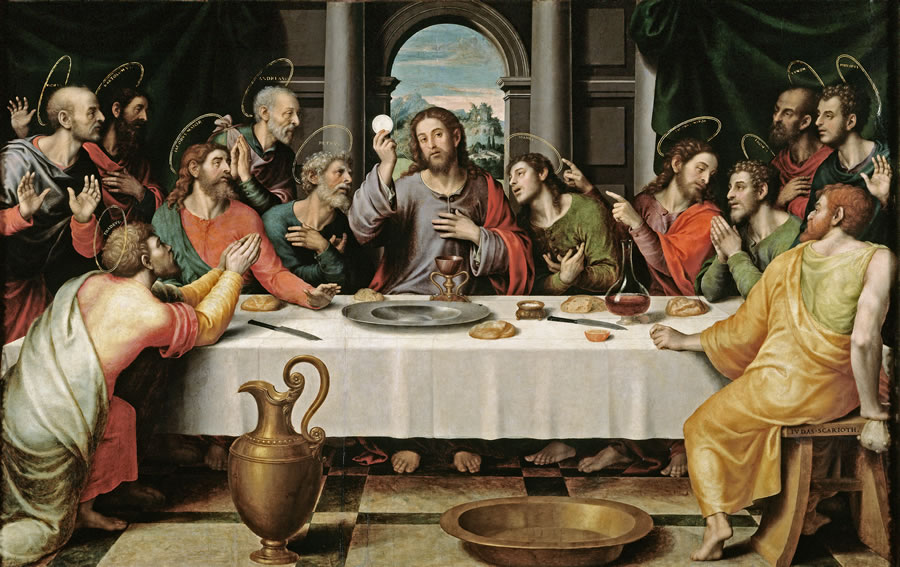
06-22-2025Weekly ReflectionWe Celebrate Worship Resource, Vol. 49, No. 1The disciples realize they have a problem. They have but five loaves and two fish, and thousands of mouths to feed. No known math could solve this problem. But Jesus' math is different. He who one day would transform a loaf of bread and a cup of wine into his own Body and Blood sacrificed for all of humanity, recognizes the food he can provide will satisfy thousands of hungry people with more left over than they begin with.
Today, millions of people go hungry and countless others need some other important resource, from housing to health care. We may feel as helpless as the disciples did in that deserted place, unable to provide anywhere near enough. But we cannot forget that we are truly the body of Christ.
As the body of Christ, we can offer ourselves up to those in need. When we do so, we can provide food for the hungry, shelter for the homeless, hospitality for the alien, comfort for the grieving, justice for the oppressed, forgiveness for the sinner, hope for the despairing, mercy for the lost and forsaken. This, too, we can do in remembrance of Him.
How does your parish provide for those in need? What else can you do?
-We Celebrate Worship Resource, Vol. 50, No. 1
Su Cuerpo Al Sevicio
Los discípulos se dan cuenta de que tienen un problema. Solo tienen cinco panes y dos peces, y miles de bocas que alimentar. Ninguna matemática conocida podría resolver este problema. Pero la matemática de Jesús es diferente. Él, que un día transformaría una hogaza de pan y una copa de vino en su propio Cuerpo y Sangre sacrificados por toda la humanidad, reconoce que el alimento que puede proveer saciara a miles de hambrientos con más sobras de las que tenían al principio.
Hoy, millones de personas pasan hambre e innumerables otras necesitan algún otro recurso importante, desde vivienda hasta atención medica. Podemos sentirnos tan desamparados como los discípulos en ese lugar desierto, incapaces de proveer ni de cerca. Pero no podemos olvidar que somos verdaderamente el cuerpo de Cristo.
Como cuerpo de Cristo, podemos ofrecernos a los necesitados. Al hacerlo, podemos brindar alimento al hambriento, refugio al desamparado, hospitalidad al extranjero, consuelo al afligido, justicia al oprimido, perdón al pecador, esperanza al desesperado, misericordia al perdido y abandonado. También esto podemos hacerlo en memoria de ÉI.
¿Cómo atiende tu parroquia a los necesitados? ¿Qué más puedes hacer?
-We Celebrate Worship Resource, Vol. 50, No. 1
Spirit, Guide Me
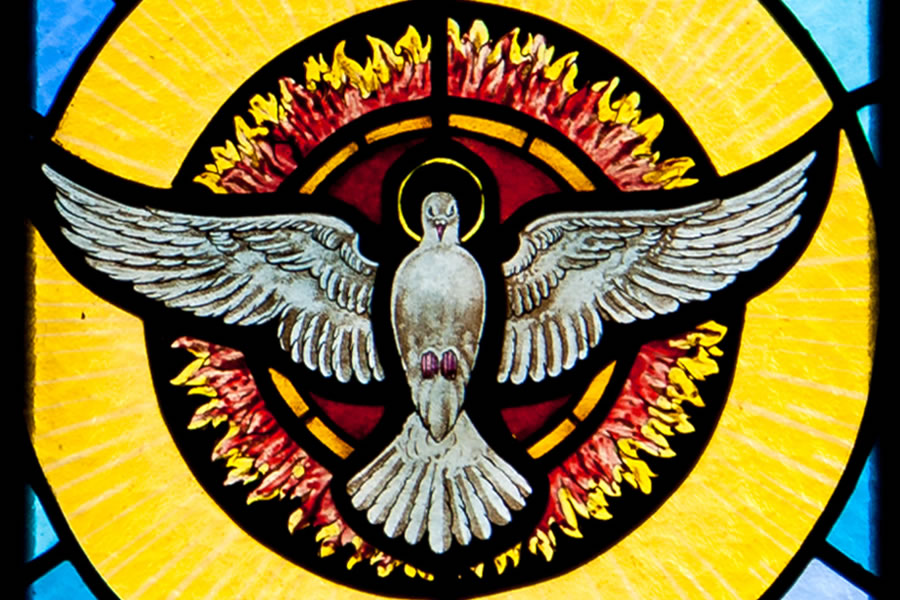
06-15-2025Weekly ReflectionWe Celebrate Worship Resource, Vol. 49, No. 1At the Last Supper, Jesus takes advantage of one last chance to speak to his closest friends, telling them many things of great importance. He lets them know that he will send the Holy Spirit, who will remain with them always. He teaches them that he, the Father, and the Holy Spirit are united, that everything that is his is theirs and vice versa.
But he also says, "I have much more to tell you, but you cannot bear it now" (John 16:12). Realizing how difficult it will be for him to bear what will happen over the next few hours, Jesus knows well how hard it will be for them. They will all fall asleep in Gethsemane, Peter will deny him three times, and they will all run away when he is arrested.
But he knows that in time the Holy Spirit will teach the disciples everything they need to know, everything that they eventually will be able to bear. We may recall times in our lives when trauma or tension have made it difficult to bear anything more. Let our faith that the Holy Spirit remains with us always comfort us through those difficult times and guide us when we are able to handle it.
How sensitive are you to when others cannot bear what you want to say?
-We Celebrate Worship Resource, Vol. 50, No. 1
Espíritu, Guíame
At the last supper, Jesus takes the opportunity to speak to his closest friends, telling them many things of great importance. He lets them know that he will send the Holy Spirit, who will remain with them always. He teaches them that he, the Father and the Holy Spirit are united, that all that is His is His and vice versa.
But he also says: “I have yet many things to say to you, but you cannot yet understand them” (John 16:12). Realizing how hard it will be for him to bear what will happen in the next few hours, Jesus knows how hard it will be for them. They will all fall asleep in Gethsemane, Peter will deny him three times, and they will all flee when he is arrested.
But he knows that in time the Holy Spirit will teach the disciples all they need to know, all that they will eventually be able to endure. We can remember the times in our lives when trauma or stress has not allowed us to endure anymore. May our faith that the Holy Spirit remains with us always comfort us in those difficult times and guide us when we are unable to handle them.
How sensitive are you when others can't handle what you want to say?
-We Celebrate Worship Resource, Vol. 50, No. 1
The Spirit of Truth
06-15-2025Question of the WeekReading I Proverbs 8:22-31 . The discourse of wisdom
Reading II Romans 5:1-5 . Faith, hope, and love
Gospel John 16:12-15 . Coming of the paraclete
Key Passage: Jesus said, "I still have many things to say to you, but you cannot bear them now. When the Spirit of truth comes, he will guide you into all the truth; for he will not speak on his own, but will speak whatever he hears, and he will declare to you the things that are to come." (Jn. 16:12-13a)
Adults: In what difficult situation has the Holy Spirit helped you see more clearly?
Kids: What kind of decision can the Holy Spirit help you with?
El Espiritu De La Verdad
Lectura I Proverbios 8: 22-31 . El discurso de la sabiduría
Lectura II Romanos 5: 1-5 . Fe, esperanza y amor
Evangelio Evangelio Juan 16: 12-15 . Venida del paracleto
Pasaje Clave: Jesús dijo: "Aún tengo muchas cosas que decirles, pero todavía no las pueden comprender. Pero cuando venga el Espíritu de verdad, él los ira guiando hasta la verdad plena, porque no hablará por su cuenta, sino que dirá lo que haya oído y les anunciara las cosas que van a suceder." (Jn. 16: 12-13a)
Adultos: ¿En qué situación difícil te ha ayudado el Espíritu Santo a ver más claramente?
Niños: ¿Con qué tipo de decisión puede ayudarte el Espíritu Santo?

The Transforming Power of the Holy Spirit
06-08-2025Weekly ReflectionWe Celebrate Worship Resource, Vol. 49, No. 1The Holy Spirit has the power to transform us. The first disciples can attest to that. When the Holy Spirit descends upon them, they are able to speak in different tongues, allowing everyone in the crowd to understand them in his or her own language. Jesus tells the disciples that receiving the Holy Spirit enables them to forgive sins.
At the Last Supper, he tells them that the Holy Spirit will teach them and guide them. Saint Paul preaches that the Holy Spirit makes us one, unifying us as one body of Christ, which enables us to recognize that we are all children of God. We are those disciples now, having received the Holy Spirit in baptism and confirmation. The power to be transformed is within us now.
Today's Gospel acclamation calls for the transformation: "Come, Holy Spirit, fill the hearts of your faithful and kindle in them the fire of your love." We may not see literal tongues of fire descending upon us, but the Holy Spirit has the power to fire up our hearts with the love that is Jesus' command, to be offered to God and to our neighbor. For it is that kind of love-the selfless, sacrificial love that Jesus modeled-that can transform us into the kind of person of whom others will say, "the Spirit of God dwells in you" (Romans 8:9).
How will you show the fire of God's love to others this week?
-We Celebrate Worship Resource, Vol. 50, No. 1
El poder transformador del Espíritu Santo
EI Espíritu Santo tiene el poder de transformarnos. Los primeros discípulos pueden dar fe de ello. Cuando el Espíritu Santo desciende sobre ellos, pueden hablar en diferentes lenguas, permitiendo que todos en la multitud los entiendan en su propio idioma. Jesus les dice a los discípulos que recibir el Espíritu Santo les permite perdonar los pecados.
En la Última Cena, les dice que el Espíritu Santo les enseñara y los guiará. San Pablo predica que el Espíritu Santo nos hace uno, unificandonos como un solo cuerpo de Cristo, lo que nos permite reconocer que todos somos hijos de Dios. Somos esos discípulos ahora, habiendo recibido el Espíritu Santo en el bautismo y la confirmacion. El poder de ser transformados esta en nosotros ahora.
La aclamacion del Evangelio de hoy llama a la transformación: "Ven, Espíritu Santo, llena los corazones de tus fieles y enciende en ellos el fuego de tu amor". Puede que no veamos lenguas de fuego descender sobre nosotros, pero el Espíritu Santo tiene el poder de encender nuestros corazones con el amor que Jesus nos manda ofrecer a Dios y al projimo. Porque es ese tipo de amor -el amor desinteresado y sacrificado que Jesús modeló- el que puede transformarnos en el tipo de persona de quien otros diran: "el Espíritu de Dios mora en vosotros" (Romanos 8:9).
¿Como mostraras el fuego del amor de Dios a los demas esta semana?
-We Celebrate Worship Resource, Vol. 50, No. 1
Gifts for Service
06-08-2025Question of the WeekReading I Acts 2:1-11 Descent of the Holy Spirit
Reading II 1 Corinthians 12:3b-7, 12-13 Many gifts, one Spirit, and the analogy of the body
Gospel John 20:19-23 Appearance to the disciples
Key Passage: Now there are varieties of gifts, but the same Spirit; and there are varieties of services, but the same Lord. (1 Cor. 12:4-5)
Adults: What gift of service have you received from the Holy Spirit and how well are you using it right now?
Kids: What gift do you hope to receive from the Holy Spirit? How could you use it to serve others?
Dones para el Servicio
Lectura I Hechos 2:1-11 . El descenso del Espíritu Santo
Lectura II 1 Corintios 12:3b-7, 12-13 · Muchos dones, un solo Espíritu y la analogía del cuerpo
Evangelio Juan 20:19-23 .Aparicion a los discípulos
Pasaje Clave: Ahora bien, hay diversidad de dones, pero el Espíritu es el mismo; y hay diversidad de servicios, pero el Señor es el mismo. (1 Corintios 12:4-5)
Adultos: ¿Que don de servicio han recibido del Espiritu Santo y que tan bien lo estan usando actualmente?
Niños: ¿Que don esperan recibir del Espíritu Santo? ¿Cómo podrían usarlo para servir a los demas?
The Gift of Wisdom
06-01-2025Question of the WeekReading I Acts 1:1-11 . The Ascension of Jesus
Reading II Gospel Ephesians 1:17-23 . A Spirit of wisdom
Gospel Luke 24:46-53 . The Ascension
Key Passage: That the God of our Lord Jesus Christ, the Father of glory, may give you a spirit of wisdom and revelation resulting in knowledge of him. (Ephesians 1:17)
Adults: Who in your family has the gift of wisdom? How does he or she use this gift?
Kids: Who is the wisest person you know? What has he or she taught you?
El Don de Sabiduria
Lectura I Hechos 1:1-11 . La Ascension de Jesus
Lectura II Efesios 1:17-23 . Un Espíritu de sabiduría
Evangelio Lucas 24:46-53 . La Ascensión
Pasaje Clave: Para que el Dios de nuestro Senor Jesucristo, el Padre de gloria, les de un espíritu de sabiduría y de revelación para un mejor conocimiento de él. (Efesios 1:17)
Adultos: ¿Quien en su familia tiene el don de sabiduría? ¿Cómo lo usa?
Niños: ¿Quién es la persona más sabia que conocen? ¿Qué les ha enseñado?

To the Ends of the Earth
06-01-2025Weekly ReflectionWe Celebrate Worship Resource, Vol. 49, No. 1According to the author of Luke and Acts, whom scripture scholars believe to be the same writer, Jesus' final words to his disciples were that they "will be my witnesses ... to the ends of the earth" (Acts 1:8). Certainly his first disciples would make excellent witnesses, for they had spent years with him: living with him, traveling with him, seeing and hearing most everything he did.
But the witnessing did not end with them. We tend to think of eyewitnesses primarily, but people can also witness to something they heard, or felt, or sensed in some other way. This is the kind of witness we can provide. We can witness to the difference Jesus makes in our lives: that he accompanies us in our sufferings, forgives us of our sins, redeems us by his resurrection, promises us eternal life with the Father.
These are the key truths he listed for his disciples at the end of Luke's Gospel; this is what he implicitly leaves for us to witness to as well. Moreover, we already have the Holy Spirit, who guides us as we bear witness. May our witness help extend that forgiveness, reconciliation, and hope to those we meet.
In what way can your witness bring forgiveness to someone else, reconciliation between others, or hope to someone in despair?
-We Celebrate Worship Resource, Vol. 50, No. 1
Hasta los Confines de la Tierra
Según el autor de Lucas y Hechos, a quien los eruditos bíblicos atribuyen al mismo escritor, las últimas palabras de Jesus a sus discípulos fueron: "Serán mis testigos ... hasta los confines de la tierra" (Hechos 1:8). Sin duda, sus primeros discípulos serían excelentes testigos, pues habían pasado años con él: viviendo con él, viajando con él, viendo y oyendo casi todo lo que hacía.
Pero el testimonio no terminaba con ellos. Solemos pensar principalmente en testigos presenciales, pero las personas también pueden dar testimonio de algo que oyeron, sintieron o percibieron de alguna otra manera. Este es el tipo de testimonio que podemos brindar. Podemos dar testimonio de la diferencia que Jesús marca en nuestras vidas: que nos acompaña en nuestros sufrimientos, nos perdona nuestros pecados, nos redime con su resurreccion y nos promete vida eterna con el Padre.
Estas son las verdades claves que enumeró para sus discípulos al final del Evangelio de Lucas; esto es lo que implícitamente nos deja para que también demos testimonio. Además, ya contamos con el Espíritu Santo, quien nos guía al dar testimonio. Que nuestro testimonio ayude a extender ese perdón, esa reconciliación y esa esperanza a quienes nos encontramos.
¿De qué manera puede tu testimonio traer perdón a otra persona, reconciliación entre otros o esperanza a alguien desesperado?
-We Celebrate Worship Resource, Vol. 50, No. 1
Keeping Jesus' Word
05-25-2025Question of the WeekReading I – Acts 15:1-2, 22-29 Letter of the apostles to the Gentiles
Reading II – Revelation 21:10-14, 22-23 The new Jerusalem
Gospel – John 14:23-29 Last discourse; faithfulness to God’s word
Key Passage "Jesus answered him, 'Those who love me will keep my word, and my Father will love them, and we will come to them and make our home with them.'" (John 14:23)
Adults: What difference has it made in your life when you made a decision in accord with Jesus’ teachings?
Kids: When will you have to make a decision this week? What will help you make a good decision?
Cumpliendo La Palabra De Jesús
Lectura I – Hechos 15:1-2, 22-29 Carta de los apóstoles a los gentiles
Lectura II – Apocalipsis 21:10-14, 22-23 La nueva Jerusalén
Evangelio – Juan 14:23-29 Último discurso: fidelidad a la palabra de Dios
Pasaje Clave "Jesús le respondió: 'El que me ama, cumplirá mi palabra; y mi Padre lo amará, y haremos en él nuestra morada.'" (Juan 14:23)
Adultos: ¿Qué diferencia ha marcado en su vida tomar una decisión según las enseñanzas de Jesús?
Niños: ¿Cuándo tendrán que tomar una decisión esta semana? ¿Qué les ayudará a tomar una buena decisión?

Lord, I receive Your Peace Today
05-25-2025Weekly ReflectionWe Celebrate Worship Resource, Vol. 49, No. 1Two major transitions are drawing near. Next week we will celebrate the Ascension, when Jesus leaves the earth and ascends to the Father. Two weeks from now we will celebrate Pentecost, when the Holy Spirit descends from the Father and the Son to remain with us forever.
In today’s Gospel, Jesus looks past his own death and resurrection to prepare his disciples for these transitions, for the time when he would no longer physically accompany them. He assures them that if they love him and keep his word, he and the Father will make their dwelling with them. And he explains that the Holy Spirit will continue to enlighten and guide them.
The first reading gives us a glimpse of this. In a scene that occurs only about twenty years after that first Pentecost, the Holy Spirit enable the leaders of the church to discern that only a minimal number of Jewish traditions need to be observed by Gentiles baptized in Christ.
May we continue to look to the Holy Spirit, whom Jesus promises today, to relieve “any burden beyond necessities”
(Acts 15:28) in accepting all those who come to us with a sincere heart.
How can you take the time to discern the Holy Spirit’s guidance?
—We Celebrate Worship Resource, Vol. 50, No. 1
Señor, Hoy Recibo Tu Paz
Se acercan dos grandes transiciones. La semana que viene celebraremos la Ascensión, cuando Jesús deja la tierra y asciende al Padre. Dentro de dos semanas celebraremos Pentecostés, cuando el Espíritu Santo desciende del Padre y del Hijo para permanecer con nosotros para siempre.
En el Evangelio de hoy, Jesús mira más allá de su muerte y resurrección para preparar a sus discípulos para estas transiciones, para el momento en que ya no los acompañaría físicamente. Les asegura que si lo aman y cumplen su palabra, él y el Padre morarán con ellos. Y explica que el Espíritu Santo continuará iluminándolos y guiándolos.
La primera lectura nos da un atisbo de esto. En una escena que ocurre tan solo unos veinte años después de aquel primer Pentecostés, el Espíritu Santo capacita a los líderes de la iglesia para discernir que solo un número mínimo de tradiciones judías deben ser observadas por los gentiles bautizados en Cristo.
Que podamos seguir mirando al Espíritu Santo, a quien Jesús promete hoy aliviar “cualquier carga que exceda lo necesario” (Hechos 15:28) al aceptar a todos aquellos que vienen a nosotros con un corazón sincero.
¿Cómo puedes tomarte el tiempo para discernir la guía del Espíritu Santo?
—We Celebrate Worship Resource, Vol. 50, No. 1
Our Love in Action
05-18-2025Weekly ReflectionWe Celebrate Worship Resource, Vol. 49, No. 1At the end of today’s first reading, the author of Acts reports that God “opened the door of faith to the Gentiles” (Acts 14:27). Yes, even a people regarded as unclean are invited to believe.
It recalls how Jesus invited others to believe throughout his life. He did not force faith upon anyone, nor did he reject anyone for their lack of faith. He invited everyone to come, follow him, and find faith for themselves. From the first disciples at the Sea of Galilee to the good thief on the cross, Jesus opened the door of faith to everyone he encountered. Likewise, he has opened it for us, and we are called now to hold it open for others.
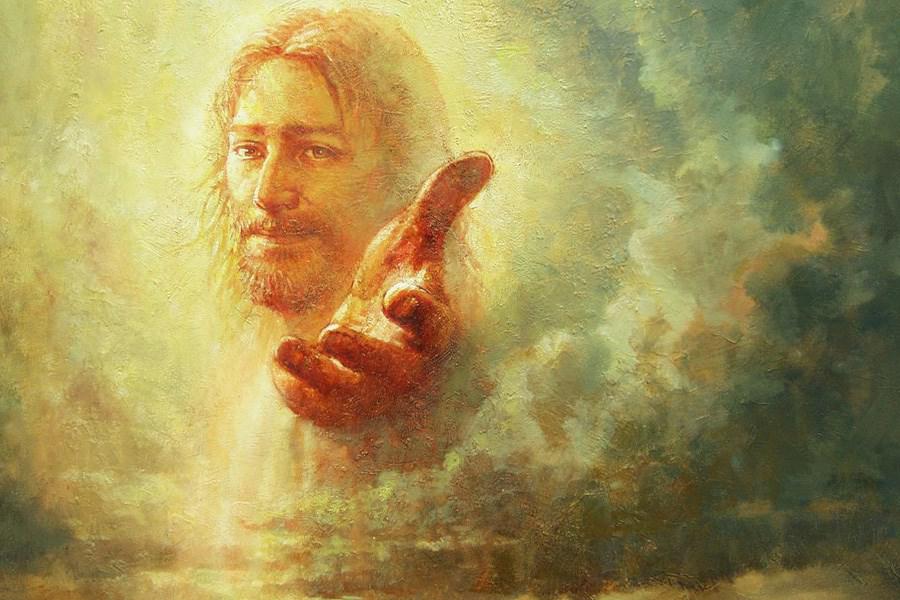
We do so when we love one another, which is what Jesus calls us to do in today’s Gospel. We do so when we accept the challenge of loving one another as he did—selflessly—willing to sacrifice ourselves for others.
After all, this is literally what he is about to do when he says these words at the Last Supper. We do so when we do for the least of our brothers and sisters as we would for Jesus, for we are called to see him when we see those in need. Doing so, in fact, opens the door of faith for those others, and for all those who see our love in action.
How will you try to open the door of faith for others this week?
—We Celebrate Worship Resource, Vol. 50, No. 1
Nuestro Amor en Acción
Al final de la primera lectura de hoy, el autor de los Hechos informa que Dios «abrió la puerta de la fe a los gentiles» (Hechos 14:27). Sí, incluso un pueblo considerado impuro está invitado a creer.
Esto nos recuerda cómo Jesús invitó a otros a creer a lo largo de su vida. No impuso la fe a nadie ni rechazó a nadie por su falta de fe. Invitó a todos a venir, seguirlo y encontrar la fe por sí mismos. Desde los primeros discípulos en el Mar de Galilea hasta el buen ladrón en la cruz, Jesús abrió la puerta de la fe a todos los que conoció.
De igual manera, la abrió para nosotros y ahora estamos llamados a mantenerla abierta para los demás. Lo hacemos cuando vivimos el amor mutuo, que es lo que Jesús nos llama a hacer en el Evangelio de hoy. Lo hacemos cuando aceptamos el reto de amarnos unos a otros como él lo hizo: desinteresadamente, dispuestos a sacrificarnos por los demás.
Después de todo, esto es literalmente lo que está a punto de hacer cuando pronuncia estas palabras en la Última Cena. Lo hacemos cuando tratamos con los más pequeños de nuestros hermanos y hermanas como lo haríamos con Jesús, pues estamos llamados a verlo cuando vemos a los necesitados.
Al hacerlo, de hecho, abre la puerta de la fe para esos otros y para todos aquellos que ven nuestro amor en acción.
¿Cómo intentarás abrir la puerta de la fe para otros esta semana?
—We Celebrate Worship Resource, Vol. 50, No. 1
Love One Another
05-18-2025Question of the WeekReading I Acts 14:21-27 • End of the first mission
Reading II Revelation 21:1-5a • New heavens and new earth
Gospel John 13:31-33a, 34-35 • A new commandment
Key Passage Jesus said, “I give you a new commandment, that you love one another. Just as I have loved you, you also should love one another.” (Jn. 13:34)
Adults: When have you seen the power of love overcome a bad situation?
Kids: Do you believe love is stronger than hate? Why?
Ámense los unos a los otros
Lectura I Hechos 14:21-27 • Fin de la primera misión
Lectura II Apocalipsis 21:1-5a • Cielos nuevos y tierra nueva
Evangelio Juan 13:31-33a, 34-35 • Un mandamiento nuevo
Pasaje Clave Jesús dijo: “Les doy un mandamiento nuevo: que se amen unos a otros. Como yo los he amado, también ustedes deben amarse unos a otros” (Jn. 13:34).
Adultos: ¿Cuándo han visto el poder del amor superar una situación difícil?
Niños: ¿Creen que el amor es más fuerte que el odio? ¿Por qué?
Protected by Christ
05-11-2025Question of the WeekReading I Acts 13:14, 43-52 – Paul's and Barnabas' address to the gentiles
Reading II Revelation 7:9, 14b-17 – Rejoicing of the elect of every nation
Gospel John 10:27-30 – Words at the feast of the dedication of the Temple
Key Passage: "Jesus said, 'My sheep hear my voice. I know them, and they follow me. I give them eternal life, and they will never perish. No one will snatch them out of my hand.'" (John 10:27-28)
Adults: Whom do you try to protect as Christ protects you?
Kids: Who helps you feel safe and protected? Whom can you take care of and help feel safe?
Protejidos por Cristo
Lectura I Hechos 13:14, 43-52 – Discurso de Pablo y Bernabé a los gentiles
Lectura II Apocalipsis 7:9, 14b-17 – Regocijo de los elegidos de cada nación
Evangelio Juan 10:27-30 – Palabras en la fiesta de la dedicación del Templo
Pasaje Clave: "Jesús dijo: 'Mis ovejas oyen mi voz; yo las conozco y me siguen; yo les doy vida eterna; no perecerán jamás; nadie las arrebatará de mi mano.'" (Juan 10:27-28)
Adultos: ¿A quién intentan proteger como Cristo los protege?
Niños: ¿Quién los ayuda a sentirse seguros y protegidos? ¿A quién pueden cuidar y ayudar a sentirse seguros?
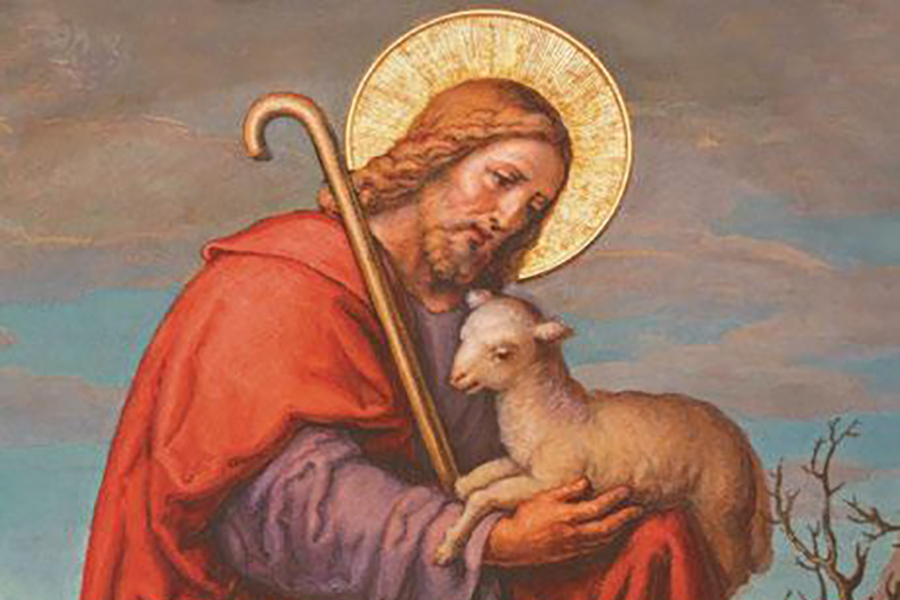
Jesus Call Us by Name
05-11-2025Weekly ReflectionWe Celebrate Worship Resource, Vol. 49, No. 1In the ancient Near East, villagers kept their sheep in a common enclosure overnight. Shepherds arriving each morning to bring their sheep out to the meadow to graze would have had a daunting task if they had to sort through hundreds of sheep to find their own. Fortunately, sheep could distinguish among voices, knowing they could trust their shepherd to guide them safely and carefully.
Jesus, the Good Shepherd, relies on his disciples—his sheep—knowledge of this practice when he tells them, “My sheep hear my voice; I know them, and they follow me” (John 10:27). Jesus knows us by name and calls us to follow him.
Do we make the effort of listening for his voice, distinguishing it from the many other voices we hear calling to us and allowing him to guide us on the mission he has left to us? Do we pick out his voice in the least of our brothers and sisters, who may be hungry or homeless or neglected? Do we hear his voice when we pray?
Will you pledge to take just ten minutes each day this week to listen for the Lord’s voice when you pray to him?
—We Celebrate Worship Resource, Vol. 50, No. 1
Jesús Nos Llama Por Nuestro Nombre
En el antiguo Oriente Próximo, los aldeanos guardaban a sus ovejas en un corral común durante la noche.
Los pastores que llegaban cada mañana para llevar a sus ovejas a pastar al prado se habrían encontrado con una tarea abrumadora si tuvieran que clasificar entre cientos de ovejas para encontrar la suya. Afortunadamente, las ovejas podían distinguir entre las voces, sabiendo que podían confiar en que su pastor las guiaría con seguridad y cuidado.
Jesús, el Buen Pastor, confía en el conocimiento de esta práctica por parte de sus discípulos—sus ovejas—cuando les dice: "Mis ovejas oyen mi voz; yo las conozco y me siguen" (Juan 10:27).
Jesús nos conoce por nuestro nombre y nos llama a seguirlo. ¿Nos esforzamos por escuchar su voz, distinguiéndola de las muchas otras voces que nos llaman y permitiéndole guiarnos en la misión que nos ha encomendado? ¿Identificamos su voz en el más pequeño de nuestros hermanos y hermanas, que puede tener hambre, estar sin hogar o ser abandonado?
¿Escuchamos su voz cuando oramos?
¿Te comprometerás a tomar solo diez minutos cada día de esta semana para escuchar la voz del Señor cuando le ores?
—We Celebrate Worship Resource, Vol. 50, No. 1

Feed My Sheep: Recognizing Christ and Answering His Call
05-04-2025Weekly ReflectionWe Celebrate Worship Resource, Vol. 49, No. 1The disciples never seem to recognize the risen Lord immediately, whether in the upper room, on the road to Emmaus, or here on the Sea of Galilee. Jesus’ body had been transformed when he was raised in glory by the Father. Today we hear him satisfy their hunger in a literal way, with fish and bread, but in a deeper way as well, for they hungered for his abiding presence after they thought that they had lost him on the cross.
Then he goes on to satisfy Peter’s hunger in a very different way. Peter hungered for Jesus’ forgiveness since he had denied him three times on that fateful day. So Jesus asks Peter three times if he loves him, responding each time with a command: If you truly love me, you must take care of my sheep—God’s children.
Speaking of children, it is significant that Jesus initially calls out to the disciples: “Children…” (John 21:5). Earlier, Jesus had showed them that he welcomes the children brought to him, for they are a model of how one should accept the kingdom of God. Peter, my child, Jesus is essentially saying now, care for my flock, recognize me in each member of my flock, and you too will be welcomed into God’s kingdom.
How do you take care of others? Do you recognize Jesus in each one?
-We Celebrate Worship Resource, Vol. 50, No. 1
Apacienta mis ovejas: Reconocer a Cristo y Responder a Su Llamada
Los discípulos nunca parecen reconocer al Señor resucitado de inmediato, ni en el Cenáculo, ni en el camino a Emaús, ni aquí en el Mar de Galilea. El cuerpo de Jesús fue transformado al ser resucitado en gloria por el Padre. Hoy lo escuchamos saciar su hambre de forma literal, con pescado y pan, pero también de una manera más profunda, pues anhelaban su presencia constante tras creer que lo habían perdido en la cruz.
Luego, Jesús sacia el hambre de Pedro de una manera muy diferente. Pedro anhelaba el perdón de Jesús, pues lo había negado tres veces en aquel fatídico día. Así que Jesús le pregunta a Pedro tres veces si lo ama, respondiendo cada vez con una orden: «Si de verdad me amas, debes cuidar de mis ovejas: los hijos de Dios».
Hablando de niños, es significativo que Jesús inicialmente llame a los discípulos: «Hijos…» (Juan 21:5). Anteriormente, Jesús les había mostrado que acoge a los niños que le traen, pues son un modelo de cómo aceptar el reino de Dios. «Pedro, hijo mío», Jesús esencialmente te está diciendo ahora, «cuida de mi rebaño, reconoceme en cada miembro de mi rebaño, y tú también serás bienvenido en el reino de Dios».
¿Cómo cuidas a los demás? ¿Reconoces a Jesús en cada uno?
-We Celebrate Worship Resource, Vol. 50, No. 1
Feed My Sheep
05-04-2025Question of the WeekReading I Acts 5:27-32, 40b-41 Disciples’ second trial before the Sanhedrin.
Reading II Revelation 5:11-14 Praise to the Lamb.
Gospel John 21:1-19 Appearance at the Sea of Tiberias.
Key Passage: "When they had finished breakfast, Jesus said to Simon Peter, ‘Simon son of John, do you love me more than these?’ He said to him, ‘Yes, Lord; you know that I love you.’ Jesus said to him, ‘Feed my lambs.’" (John 21:15)
Adults: In what ways are you answering Jesus’ command to Peter to "feed my sheep"?
Kids: What do you do to care for others, as Jesus asked Peter to do?
Apacienta Mis Ovejas
Lectura I Hechos 5:27-32, 40b-41 Segundo juicio de los discípulos ante el Sanedrín.
Lectura II Apocalipsis 5:11-14 Alabanza al Cordero.
Evangelio Juan 21:1-19 Aparición en el Mar de Tiberíades.
Pasaje Clave: "Cuando terminaron de desayunar, Jesús le dijo a Simón Pedro: ‘Simón, hijo de Juan, ¿me amas más que estos?’ Él le respondió: ‘Sí, Señor; tú sabes que te amo.’ Jesús le respondió: ‘Apacienta mis corderos’." (Juan 21:15)
Adultos: ¿De qué maneras están respondiendo al mandato de Jesús a Pedro de "apacentar mis ovejas"?
Niños: ¿Qué hacen para cuidar de los demás, como Jesús le pidió a Pedro?