St. Francis of Assisi Weekly Reflections
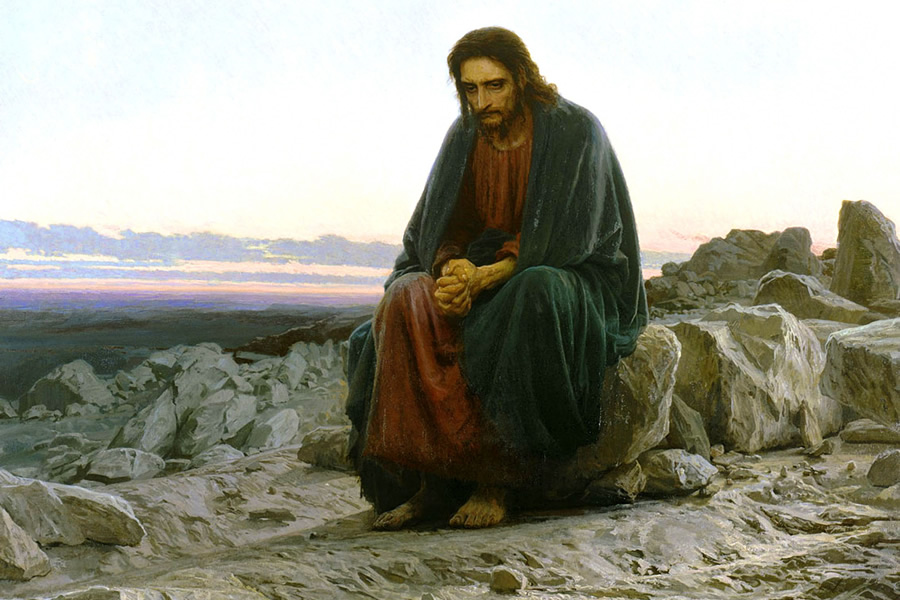
Resisting Temptation
02-22-2026Weekly ReflectionWe Celebrate Worship Resource, Vol. 49, No. 1The worst time to face temptation is when one is most vulnerable, especially if someone exploits that vulnerability. The serpent exploited Eve's naivete by telling her three half-truths. It was true that she and Adam would not die, but now they became subject to death. Yes, their eyes were opened, but to shame and guilt, as they discovered too late.
They may now know evil, but they certainly did not become gods. Jesus also was clearly vulnerable, having spent forty days alone in the desert. The devil seizes that moment to tempt him three times with food, power, and authority. But Jesus turns to God's word to reject all three. Significantly, in time Jesus will fulfill all three promises, but on his own terms.
He will become the living bread, offering eternal life to all who eat of it. He will again refuse to throw himself down from above Jerusalem, this time from the cross, so he can win our salvation. He reveals the kingdom of God, greater than all the kingdoms of the world. With the help of the Spirit, Jesus trusted in the Father and resisted temptation. May the Spirit help us do so as well.
When do you feel vulnerable to temptation? Challenge yourself to see the half-truths that tempt you.
-We Celebrate Worship Resource, Vol. 51, No. 1
Resistiendola Tentación
El peor momento para enfrentar la tentación es cuando uno es más vulnerable, especialmente si alguien se aprovecha de esa vulnerabilidad. La serpiente aprovecho la ingenuidad de Eva diciendole tres medias verdades. Era cierto que ella y Adán no morirían, pero ahora estaban sujetos a la muerte. Sí, sus ojos se abrieron, pero para vergüenza y culpa, como descubrieron demasiado tarde. Puede que ahora conocieran el mal, pero ciertamente no se convirtieron en dioses. Jesús también era claramente vulnerable, tras haber pasado cuarenta días solo en el desierto.
El diablo aprovechó ese momento para tentarlo tres veces con comida, poder y autoridad. Pero Jesus recurrió a la palabra de Dios para rechazar las tres. Significativamente, con el tiempo Jesus cumpliría las tres promesas, pero en sus propios términos.
Se convertiría en el pan vivo, ofreciendo vida eterna a todos los que coman de él. Se negaría de nuevo a arrojarse desde lo alto de Jerusalen, esta vez desde la cruz, para poder ganar nuestra salvacion. Él revela el reino de Dios el mayor de todos los reinos del mundo. Con la ayuda del Espíritu, Jesus confió en el Padre y resistió la tentación. Que el Espíritu nos ayude a hacer lo mismo.
¿Cuando te sientes vulnerable a la tentacion? Desafate a ver las medias verdades que te tientan.
-We Celebrate Worship Resource, Vol. 51, No. 1
Overcoming Temptation
02-22-2026Question of the Week| Reading I | The Fall Of Humankind - Genesis 2:7-9; 3:1-7 |
| Reading II | Humanity's Sin Through Adam - Romans 5:12-19 |
| Gospel | The Temptation Of Jesus - Matthew 4:1-11 |
| Key Passage: Jesus was led up by the Spirit into the wilderness to be tempted by the devil. (Matthew 4:1) | |
| Adult: What helpful advice could you offer someone faced with a temptation? | |
| Kids: What helps you do the right thing when you want to do something wrong? |
Venciendo La Tentación
| Lectura I | La Caída de la Humanidad - Génesis 2:7-9; 3:1-7 |
| Lectura II | El Pecado de la Humanidad a través de Adán - Romanos 5:12-19 |
| Evangelio | La Tentación de Jesus . Mateo 4:1-11 |
| Pasaje clave: Jesús fue llevado por el Espíritu al desierto para ser tentado por el diablo (Mateo 4:1). | |
| Adultos: ¿Qué consejo útil le darías a alguien que se enfrenta a una tentación? | |
| Niños: ¿Que te ayuda a hacer lo correcto cuando quieres hacer algo malo? |

Be Reconciled With Your Brother
02-15-2026Weekly ReflectionWe Celebrate Worship Resource, Vol. 49, No. 1Most of the commandments, including the ones Jesus discuses today, describe actions. You shall not kill or commit adultery or steal or lie. Jesus acknowledges these, going so far as to say that those who obey them are "greatest in the kingdom of heaven" (Matthew 5:19). But avoiding these actions is not enough. Jesus teaches us to look inside ourselves, at the attitudes and passions that lead to those actions.
Anger, for instance, can lead to verbal or physical assault. But anger can be destructive even if we keep it inside ourselves. It can fester, staining our heart and clouding our mind and always threatening to break out. Forgiveness enables us to reconcile with our adversary. Recognizing that person as a fellow child of God allow love, mercy, and compassion, which come to us through God's grace, to win out over anger, hate, or resentment.
As Ben Sira attests, we can choose to do this. As we approach the penitential season of Lent, there is no better time. May the Holy Spirit move our hearts and wills, and so reveal in some small measure what God has prepared for us: the kingdom of heaven.
What anger, resentment, or jealousy can the Holy Spirit see in your heart?
-We Celebrate Worship Resource, Vol. 51, No. 1
Reconciliate Con Tu Hermano
La mayoría de los mandamientos, incluidos los que Jesús comenta hoy, describen acciones. No matarás, ni cometerás adulterio, ni robarás, ni mentirás. Jesús los reconoce, llegando incluso a decir que quienes los obedecen son "los más grandes en el reino de los cielos" (Mateo 5:19). Pero evitar estas acciones no es suficiente. Jesús nos enseña a mirar en nuestro interior, a las actitudes y pasiones que conducen a esas acciones.
La ira, por ejemplo, puede llevar a la agresión verbal o física. Pero la ira puede ser destructiva incluso si la guardamos dentro de nosotros. Puede enquistarse, manchando nuestro corazón, nublando nuestra mente y amenazando siempre con estallar. El perdón nos permite reconciliarnos con nuestro adversario. Reconocer a esa persona como un hijo de Dios nos permite que el amor, la misericordia y la compasión, que nos llegan a través de la gracia de Dios, prevalezcan sobre la ira, el odio o el resentimiento.
Como atestigua Ben Sira, podemos elegir hacer esto. Al acercarnos al tiempo penitencial de la Cuaresma, no hay mejor momento. Que el Espíritu Santo mueva nuestros corazones y voluntades, y así nos revele, aunque sea en pequeña medida, lo que Dios ha preparado para nosotros: el reino de los cielos.
¿Qué ira, resentimiento o celos puede ver el Espíritu Santo en tu corazón?
-We Celebrate Worship Resource, Vol. 51, No. 1

Shine Christ's LIght
02-08-2026Weekly ReflectionWe Celebrate Worship Resource, Vol. 49, No. 1Upon their return to Jerusalem, Isaiah tells his fellow Israelites that God has some blunt commands: Feed the hungry, shelter the homeless, clothe the naked, and aid the oppressed. In doing so, Isaiah promises, their light will shine forth and their souls shall be healed. Jerusalem, the holy city, now freed from captivity, will reveal the Lord's glory when its people sacrifice what they have for those in need.
Jesus invokes this image when calling upon his disciples to let their light shine for all to see, as a city on a mountain is visible from all around. Jesus and his disciples are conspicuous among the people of Galilee and Judea, drawing crowds wherever they go. Jesus wants the good deeds that his disciples carry out to be seen by all, glorifying God and giving everyone a glimpse of the kingdom he preaches.
Even Saint Paul, who wrote to Chrisian communities more extensively that anyone, told the Corinthians he preaches not with words but with the power of the cross. For it is in that ultimate sacrifice that Jesus revealed God's mercy and love most fully. It is or turn now. May the good works we do reflect the light of Christ for all the world to see.
What concrete action will you do this week that can shine Christ's light in your corner of the world?
-We Celebrate Worship Resource, Vol. 51, No. 1
Haz Brillar La Luz De Cristo
Asu regreso a Jerusalén, Isaías les dice a sus compatriotas israelitas que Dios tiene mandamientos claros: alimentar al hambriento, dar refugio al desamparado, vestir al desnudo y ayudar al oprimido. Al hacerlo, promete Isaías, su luz brillará y sus almas serán sanadas. Jerusalén, la ciudad santa, ahora liberada del cautiverio, revelará la gloria del Señor cuando su pueblo sacrifique lo que tiene por los necesitados.
Jesús evoca esta imagen al llamar a sus discípulos a que dejen brillar su luz para que todos la vean, como una ciudad en la cima de una montaña es visible desde todas partes. Jesús y sus discípulos son notables entre la gente de Galilea y Judea, atrayendo multitudes dondequiera que van. Jesús quiere que las buenas obras que realizan sus discípulos sean vistas por todos, glorificando a Dios y dando a todos un atisbo del reino que predica.
Incluso San Pablo, quien escribió a las comunidades cristianas más extensamente que nadie, les dijo a los corintios que predica no con palabras, sino con el poder de la cruz. Porque es en ese sacrificio supremo donde Jesús reveló la misericordia y el amor de Dios en su máxima expresión. Ahora es nuestro turno. Que las buenas obras que hagamos reflejen la luz de Cristo para que todo el mundo la vea.
¿Qué acciones concretas realizarás esta semana para que la luz de Cristo brille en tu rincón del mundo?
-We Celebrate Worship Resource, Vol. 51, No. 1
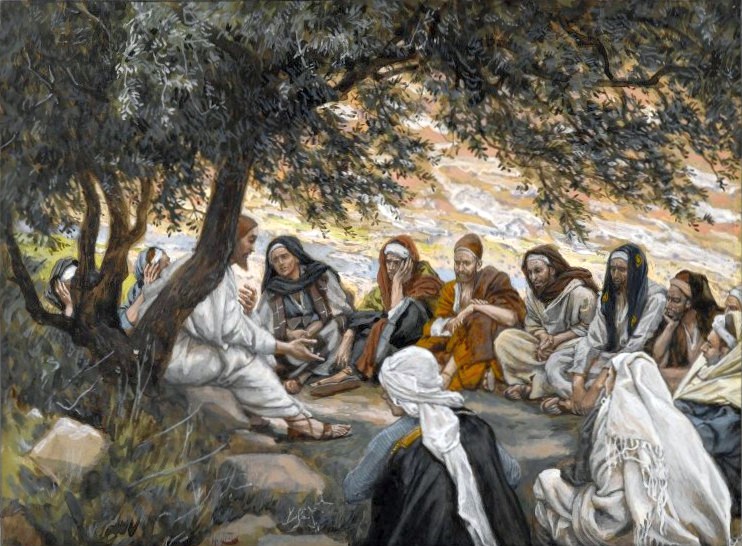
Theirs is the Kingdom
02-01-2026Weekly ReflectionWe Celebrate Worship Resource, Vol. 49, No. 1If the Beatitudes were radical in Jesus' time, how much more are they now? Take a look around. See all those folks who are poor or meek or persecuted? Do we think of them as blessed? Isn't it easier to see wealth, power, and adulation as sign of God's favor? Zephaniah didn't think so. His countercultural prophecy says that God will choose those who are humble and lowly.
Paul repeats this lesson to the Corinthians, teaching them that God chose the weak, the lowly, and the despised of the world. This can be a challenge for us. We are tempted to build wealth, to make our lives comfortable, to fight back when we are disrespected, to use our strength to push our way past others. Jesus teaches just the opposite: that we should be poor in spirit, show mercy, embrace humility, and accept insults rather than fighting back. Then we are blessed.
Why? Because by choosing to be weak and humble, we place our trust in God, for God's strength, justice, and mercy are greater than we can possibly muster. Then, as Paul puts it, we can boast in the Lord. Are you willing to live your life in keeping with the Beatitudes? Name one thing that you will change.
-We Celebrate Worship Resource, Vol. 51, No. 1
De Ellos Es El Reino
Si las Bienaventuranzas fueron radicales en tiempos de Jesús, ¿cuanto mas lo son ahora? Miremos a nuestro alrededor. ¿Vemos a todas esas personas pobres, humildes o perseguidas? ¿Las consideramos bienaventuradas? ¿Acaso no es mas facil ver la riqueza, el poder y la adulacion como señales del favor de Dios? Sofonías no pensaba así. Su profecía contracultural afirma que Dios elegirá a los humildes y sencillos.
Pablo repite esta leccion a los corintios, enseñándoles que Dios eligió a los débiles, a los humildes y a los despreciados del mundo. Esto puede ser un desafío para nosotros. Nos sentimos tentados a acumular riquezas, a vivir cómodamente, a defendernos cuando nos faltan el respeto, a usar nuestra fuerza para imponernos a los demás. Jesus enseña precisamente lo contrario: que debemos ser pobres de espíritu, mostrar misericordia, abrazar la humildad y aceptar los insultos en lugar de defendernos. Entonces seremos bienaventurados.
¿Por qué? Porque al elegir ser débiles y humildes, depositamos nuestra confianza en Dios, pues la fuerza, la justicia y la misericordia de Dios son mayores de lo que nosotros podemos alcanzar. Entonces, como dice Pablo, podemos gloriarnos en el Señor. ¿Estás dispuesto a vivir tu vida de acuerdo con las Bienaventuranzas? Menciona algo que vayas a cambiar.
-We Celebrate Worship Resource, Vol. 51, No. 1
Blessed Are We
02-01-2026Question of the Week| Reading I | Promise For Jerusalem - Zephaniah 2:3; 3:12-13 |
| Reading II | Paradox Of God's Choice - 1 Corinthians 1:26-31 |
| Gospel | The Beatitudes - Matthew 5:1-12a |
| Key Passage: Blessed are you when people revile you and persecute you and utter all kinds of evil against you falsely on my account. Rejoice and be glad, for your reward is great in heaven, for in the same way they persecuted the prophets who were before you. (Matthew 5:11-12) | |
| Adult: When you heard the Beatitudes announced today, which one struck you most strongly? | |
| Kids: Who is welcome in the reign of God? Who would you like to tell about the reign of God? |
Bienaventurados Somos
| Lectura I | Promesa para Jerusalén - Sofonías 2:3; 3:12-13 |
| Lectura II | La paradoja de la elección de Dios - 1 Corintios 1:26-31 |
| Evangelio | Las Bienaventuranzas - Mateo 5:1-12a |
| Pasaje clave: Bienaventurados serán cuando los insulten y persigan, y digan todo género de mal contra ustedes falsamente, por causa de Mí. Regocíjense y alégrense, porque la recompensa de ustedes en los cielos es grande, porque así persiguieron a los profetas que fueron antes que ustedes. (Mateo 5:11-12) | |
| Adultos: When you heard the Beatitudes announced today, which one struck you most strongly? | |
| Niños: ¿Quienes son bienvenidos en el reino de Dios? ¿A quién les gustaría hablarle sobre el reino de Dios? |
Following Jesus
01-25-2026Question of the Week| Reading I | The Prince Of Peace - Isaiah 8:23b-9:3 |
| Reading II | Factions - 1 Corinthians 1:10-13, 17 |
| Gospel | Jesus In Capernaum - Matthew 4:12-23 |
| Key Passage: Jesus went throughout Galilee, teaching in their synagogues and proclaiming the good news of the kingdom and curing every disease and every sickness among the people. (Matthew 4:23) | |
| Adult: To whom could you preach the gospel of Jesus Christ this week with actions rather than words? | |
| Kids: What could you do for someone this week that would tell them something about Jesus? |
Siguiendo a Jesús
| Reading I | El Príncipe de la Paz - Isaías 8:23b-9:3 |
| Reading II | Divisiones - 1 Corintios 1:10-13, 17 |
| Gospel | Jesus en Cafarnaum - Mateo 4:12-23 |
| Pasaje clave: [Juan dijo:] "Yo mismo no lo conocía; pero vine bautizando con agua para que él se manifestara a Israel." (Juan 1:31) | |
| Adultos: ¿A quién podrían predicar el evangelio de Jesucristo esta semana con acciones en lugar de palabras? | |
| Niños: ¿Qué podrían hacer por alguien esta semana que les hable de Jesús? |

Following the Light of Christ
01-25-2026Weekly ReflectionWe Celebrate Worship Resource, Vol. 49, No. 1Twice today we hear mention of Zebulun and Naphtali, the first of the twelve tribes of Israel to fall to the Assyrian army. Isaiah prophesies that one day the Messiah would dispel the darkness, bringing abundant joy and liberating the people from bondage. Many years later, Matthew quotes these verses when describing the beginning of Jesus' ministry. Jesus himself is the great light who dispels the darkness.
The abundant joy he brings is derived from the kingdom of heaven, for it is now at hand. He liberates the Galileans (and us all) from the bondage of sin and death. As he begins his mission, Jesus calls Simon, Andrew, James and John, and they immediately follow him. In baptism, freed from the bondage of original sin and enveloped in the joy of the Church we have joined, we are invited to follow as well, to "belong to Christ," to use Paul's words (1 Corinthians 1:12). We are called to shine the light of Christ into the darkness of our divisions and rivalries, proclaim the good news of the kingdom of heaven on our midst, and bring healing to those afflicted with the pain of sin and death. May others see that light within us as we live out our discipleship.
How will you shine the light of Christ in your world this week?
-We Celebrate Worship Resource, Vol. 51, No. 1
Ilumina Con La Luz De Cristo
La palabra testigo se aplica a Juan el Bautista de dos maneras en el Evangelio de hoy. Al bautizar a Jesús, Juan presencia la venida del Espíritu Santo en forma de paloma sobre el Señor. Luego, Juan da testimonio, señalando a Jesús que se acerca como el Cordero de Dios. Juan es un discípulo ejemplar, que reconoce a Jesús como enviado por Dios y da testimonio de ello a los demás. Isaías hace lo mismo, en un sentido diferente, en la primera lectura. Escucha la voz del Señor que habla de aquel que reunirá al Pueblo Elegido y extenderá su mensaje a todas las naciones, y luego lo proclama al mundo.
Años después de su encuentro con el Señor en el camino a Damasco, Pablo escribe a la iglesia de Dios en Corinto, identificándose como apóstol de Jesús y deseandoles la gracia y la paz de Dios. Isaías, Pablo y Juan el Bautista fueron bendecidos con una experiencia transformadora en la que Jesús se les reveló. No podemos esperar tener la misma suerte. Sin embargo, nosotros también nos hemos encontrado con Jesus muchas veces, desde nuestro bautismo hasta la celebración de la Eucaristía de hoy. Ahora nos toca a nosotros dar testimonio, siguiendo los pasos de quienes lo vieron hace siglos.
¿Cómo harás brillar la luz de Cristo en tu entorno esta semana?
-We Celebrate Worship Resource, Vol. 51, No. 1
Jesus, the Son of God
01-18-2026Question of the Week| Reading I | The Servant Of The Lord - Isaiah 49:3, 5-6 |
| Reading II | Greeting To The Church - 1 Corinthians 1:1-3 |
| Gospel | John's Testimony To Jesus - John 1:29-34 |
| Key Passage: [John said,] "I myself did not know him; but I came baptizing with water for this reason, that he might be revealed to Israel." (John 1:31) | |
| Adult: We witness to Christ as John did, by living lives full of generosity, forgiveness, and mercy toward others. When do you find it most difficult to do this?? | |
| Kids: Who has surprised you by doing something kind for you when you did not expect it? |
Jesús, El Huo De Dios
| Lectura I | El Siervo del Señor - Isaías 49:3, 5-6 |
| Lectura II | Saludo a la Iglesia . 1 Corintios 1:1-3 |
| Evangelio | El testimonio de Juan sobre Jesús . Juan 1:29-34a |
| Pasaje clave: [Juan dijo:] "Yo mismo no lo conocía; pero vine bautizando con agua para que él se manifestara a Israel." (Juan 1:31) | |
| Adultos: Damos testimonio de Cristo, como lo hizo Juan, viviendo vidas llenas de generosidad, perdón y misericordia hacia los demas. ¿Cuándo les resulta más difícil hacer esto? | |
| Niños: ¿Quien los ha sorprendido haciendo algo amable por ustedes cuando no lo esperaban? |
The Lamb of God
01-18-2026Weekly ReflectionWe Celebrate Worship Resource, Vol. 49, No. 1The word witness applies to John the Baptist in two ways in today's Gospel. When baptizing Jesus, John witnesses the Holy Spirit descending like a dove upon the Lord. Now John gives witness, pointing out the approaching Jesus as the Lamb of God. John is a model disciple, seeing Jesus as sent by God and then testifying to it to others. Isaiah does the same thing in a different sense in the first reading.
He hears the voice of the Lord speaking of the one who will gather the Chosen People and reach out to all nations, then proclaims this to the world. Years after encountering the Lord on the road to Damascus, Paul writes to the church of God in Corinth. Identifying himself as an apostle of Jesus and extending God's grace and peace upon them. Isaiah, Paul, and John the Baptist were each blessed with a life-changing experience in which Jesus was made known to them. We cannot expect to be so lucky.
Nevertheless, we have encountered Jesus many times, from our baptism to today's celebration of the Eucharist. It is now our turn to give witness, following in the footsteps of those who saw him centuries ago.
How will you give witness to Jesus Christ this week?
-We Celebrate Worship Resource, Vol. 51, No. 1
El Cordero de Dios
La palabra testigo se aplica a Juan el Bautista de dos maneras en el Evangelio de hoy. Al bautizar a Jesús, Juan presencia la venida del Espíritu Santo en forma de paloma sobre el Senor. Luego, Juan da testimonio, señalando a Jesús que se acerca como el Cordero de Dios. Juan es un discípulo ejemplar, que reconoce a Jesus como enviado por Dios y da testimonio de ello a los demas. Isaías hace lo mismo, en un sentido diferente, en la primera lectura.
Escucha la voz del Señor que habla de aquel que reunira al Pueblo Elegido y extendera su mensaje a todas las naciones, y luego lo proclama al mundo. Anos despues de su encuentro con el Señor en el camino a Damasco, Pablo escribe a la iglesia de Dios en Corinto, identificandose como apóstol de Jesús y deseandoles la gracia y la paz de Dios. Isaías, Pablo y Juan el Bautista fueron bendecidos con una experiencia transformadora en la que Jesus se les revelo. No podemos esperar tener la misma suerte.
Sin embargo, nosotros tambien nos hemos encontrado con Jesus muchas veces, desde nuestro bautismo hasta la celebracion de la Eucaristía de hoy. Ahora nos toca a nosotros dar testimonio, siguiendo los pasos de quienes lo vieron hace siglos.
¿Como darás testimonio de Jesucristo esta semana?
-We Celebrate Worship Resource, Vol. 51, No. 1
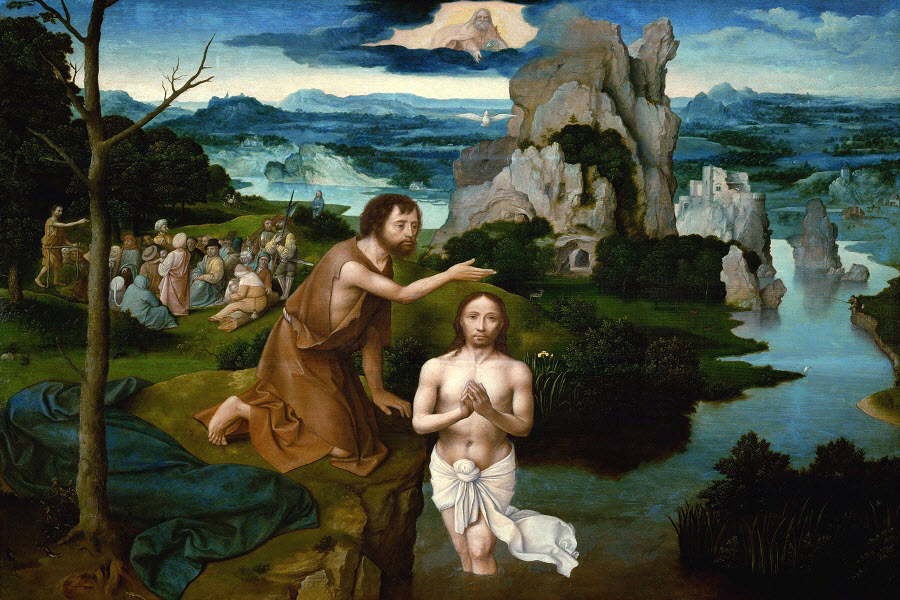
This is My Beloved Son
01-11-2026Weekly ReflectionWe Celebrate Worship Resource, Vol. 49, No. 1John the Baptism knew that the baptism Jesus would perform would be vastly superior to his. So when he sees the one whose sandals he feels unworthy to untie approaching him at the Jordan, John immediately tires to trade places. But Jesus assures him, "Allow it now, for thus it is fitting for us to fulfill all the righteousness" (Matthew 3:15). "us" implies that both he and John need to fulfill what is written.
Indeed, when John baptizes Jesus, the Holy Spirit descends upon Jesus, and the Father says, "This is my beloved Son, with whom I am well pleased" (Matthew 3:17). These words and the descent of the Holy Spirit echo Isaiah's prophecy from the first reading. God's servant-God's chosen one, the Messiah-will establish justice, renew God's covenant, guide all nations by his light, and rescue us from darkness, all gently and compassionately.
Baptized with the Holy Spirit as well, we are called to be servants in imitation of Jesus, extending justice, showing mercy, enlightening all people, and caring for those who suffer. On this day that the Christmas season ends, let us recommit ourselves to fulfilling all righteousness, for this is what we are baptized to do.
What can you commit to do to serve God in imitation of Jesus?
-We Celebrate Worship Resource, Vol. 51, No. 1
Este es Mi Hijo Amado
Juan el Bautista sabía que el bautismo que Jesus realizaría sería muy superior al suyo. Por eso, cuando ve acercarse a aquel cuyas sandalias se sentía indigno de desatar, a orillas del Jordán, Juan intenta inmediatamente intercambiar su lugar con él. Pero Jesús le asegura: "Deja ahora, porque así conviene que cumplamos toda justicia." (Mateo 3:15). El pronombre "nosotros" implica que tanto él como Juan debían cumplir lo que estaba escrito.
De hecho, cuando Juan bautiza a Jesus, el Espíritu Santo desciende sobre Jesus, y el Padre dice: "Este es mi Hijo amado, en quien tengo complacencia" (Mateo 3:17). Estas palabras y el descenso del Espíritu Santo hacen eco de la profecía de Isaías de la primera lectura. El siervo de Dios -el elegido de Dios, el Mesías- establecerá la justicia, renovara la alianza de Dios, guiara a todas las naciones con su luz y nos rescatara de la oscuridad, todo con mansedumbre y compasión.
Bautizados también con el Espíritu Santo, estamos llamados a ser siervos a imitación de Jesús, extendiendo la justicia, mostrando misericordia, iluminando a todas las personas y cuidando de quienes sufren. En este día en que termina la temporada navideña, reafirmemos nuestro compromiso de cumplir toda justicia, pues para esto fuimos bautizados.
¿A qué te comprometes a hacer para servir a Dios imitando a Jesús?
-We Celebrate Worship Resource, Vol. 51, No. 1
Pleasing to God
01-11-2026Question of the Week| Reading I | The Servant Of The Lord - Isaiah 42:1-4, 6-7 |
| Reading II | Peter's Discourse; The Good News Of Peace - Acts of the Apostles 10:34-38 |
| Gospel | Baptism Of Jesus - Matthew 3:13-17 |
| Key Passage: And a voice came from heaven, "You are my Son, the Beloved; with you I am well pleased." (Luke 3:22) | |
| Adult: Do you think that God was "well pleased" by your actions in recent weeks? Why? | |
| Kids: What good thing could you do this week that would be pleasing to God? |
Agradable a Dios
| Lectura I | El Siervo del Señor - Isaías 42:1-4, 6-7 |
| Lectura II | Discurso de Pedro; La Buena Nueva de la Paz - Hechos de los Apóstoles 10:34-38 |
| Evangelio | El Bautismo de Jesus . Mateo 3:13-17 |
| Pasaje clave: Y se oyó una voz del cielo que decía: "Tú eres mi Hijo amado; en ti tengo mis complacencias." (Lucas 3:22) | |
| Adultos: ¿Creen que Dios se sintió complacido con sus acciones en las ultimas semanas? ¿Por que? | |
| Niños: ¿Que buena accion podrian hacer esta semana que sea agradable a Dios? |

The Light of Christ
01-04-2026Weekly ReflectionWe Celebrate Worship Resource, Vol. 49, No. 1Here is what the Jewish people see when they return to Jerusalem after fifty years of exile in Babylon: their holy city laid to waste, homes and buildings in ruins, the temple destroyed, the ark of the covenant lost, and widespread destruction. Think of the images we see in the media today after bombings in a populated area.
But here is what Isaiah sees: God's glory shining upon the city so brightly that people from all over the world are attracted to its splendor, bearing riches and praising God, their hearts overflowing with joy. Here is what the residents of Bethlehem likely see when passing a certain stable: a tiny baby in a feeding trough for livestock, watched over by parents who evidently cannot afford adequate lodging.
Here is what the magi see: a newborn king who will shepherd his people and rule over them with justice. Their hearts overflow with joy as they present him with riches and pay him homage. Often we look at our lives, our neighbors, or our world and see merely decrepitude and deficiencies. A feast like today's challenges us to see with new eyes, to be illuminated by the light of Christ.
When you look at your world with the light of Christ, what do you see?
-We Celebrate Worship Resource, Vol. 51, No. 1
La Luz de Cristo
Esto es lo que ve el pueblo judío al regresar a Jerusalen despues de cincuenta anos de exilio en Babilonia: su ciudad santa devastada, casas y edificios en ruinas, el templo destruido, el arca de la alianza perdida y una destrucción generalizada. Pensemos en las imagenes que vemos hoy en los medios de comunicacion despues de los bombardeos en una zona poblada.
Pero esto es lo que ve Isaías: la gloria de Dios brillando sobre la ciudad con tal intensidad que personas de todo el mundo se sienten atraídas por su esplendor, trayendo riquezas y alabando a Dios, con el corazón rebosante de alegría. Esto es lo que probablemente ven los habitantes de Belén al pasar junto a un establo: un pequeño bebé en un pesebre, cuidado por padres que evidentemente no pueden permitirse un alojamiento adecuado.
Esto es lo que ven los Reyes Magos: un rey recien nacido que pastoreará a su pueblo y gobernará con justicia. Sus corazones rebosan de alegría al ofrecerle riquezas y rendirle homenaje. A menudo, miramos nuestras vidas, a nuestros vecinos o a nuestro mundo y vemos solo decadencia y carencias. Una celebración como la de hoy nos desafia a ver con nuevos ojos, a ser iluminados por la luz de Cristo.
¿Cuando miras el mundo con la luz de Cristo, ¿que ves?
-We Celebrate Worship Resource, Vol. 51, No. 1
Overcoming Jealousy
01-04-2026Question of the Week| Reading I | Glory Of The New Zion - Isaiah 60:1-6 |
| Reading II | Commission To Preach God's Plan - Ephesians 3:2-3a, 5-6 |
| Gospel | The Visit Of The Magi - Matthew 2:1-12 |
| Key Passage: Then Herod sent the [magi] to Bethlehem, saying, "Go and search diligently for the child; and when you have found him bring me word so that I may also go and pay him homage." (Matthew 2:8) | |
| Adult: When have you been jealous or fearful of another person? When are such feelings harmful? | |
| Kids: When have you been jealous because something good happened to another person instead of you? What is the problem with feeling that way? |
Superando Los Celos
| Lectura I | La gloria de la nueva Sion - Isaías 60:1-6 |
| Lectura II | La mision de predicar el plan de Dios - Efesios 3:2-3a, 5-6 |
| Evangelio | La visita de los Magos - Mateo 2:1-12 |
| Pasaje clave: Entonces Herodes envió a los Magos a Belén, diciéndoles: "Vayan y busquen con diligencia al niño; y cuando lo encuentren, avísenme para que yo tambien vaya a adorarlo". (Mateo 2:8) | |
| Adultos: ¿Cuando se han sentido celosos o temerosos de otra persona? ¿Cuando son perjudiciales estos sentimientos? | |
| Niños: ¿Cuando se han sentido celosos porque algo bueno le sucedió a otra persona en lugar de a ustedes? ¿Cuál es el problema de sentirse así? |