St. Francis of Assisi Weekly Reflections

Repay to Caesar What Belongs to Caesar
10-18-2026Weekly ReflectionWe Celebrate Worship Resource, Vol. 51, No. 2The Pharisees and the Herodians get more than they bargained for when they attempt to set a trap for Jesus. They ask him whether Jews should pay the census tax to Caesar. The Pharisees, holding the Mosaic law above Roman law, say no. But the Herodians, who ally themselves with the Roman occupiers, insist yes. In hypocritically posing this question, they presume that Jesus will either say yes and risk being accused of disobeying Jewish law or say no and risk being accused of inciting rebellion. But Jesus turns the trap on them by asking for the coin in question. Just having such a coin would be anathema to an observant Jew, for it has an image of Caesar on it, along with a title that gives him divine status. Yet they produce one immediately. Holding up this visual aid, Jesus is able to distinguish between what is owed to secular and sacred authorities in a way that everyone will understand: "Repay to Caesar what belongs to Caesar and to God what belongs to God" (Matthew 22:21). Yes, Jesus asserts, you can be loyal to both divine and secular authority. But these hypocrites are doing neither, questioning the Roman tax while failing to bear the good fruit that God expects. As we pay Caesar what belongs to Caesar, may we be reminded today to give to God what belongs to God.
What comes from God and belongs to God that you can repay?
Den al César lo que es del César
Los fariseos y los herodianos obtienen más de lo que esperaban cuando intentan tenderle una trampa a Jesús. Le preguntan si los judíos deberían pagar el impuesto del censo al César. Los fariseos, que consideran la ley mosaica por encima de la ley romana, dicen que no. Pero los herodianos, que se aliaron con los ocupantes romanos, insisten en que sí. Al plantear hipócritamente esta pregunta, suponen que Jesús dirá sí y correrá el riesgo de ser acusado de desobedecer la ley judía o dirá no, y correrá el riesgo de ser acusado de incitar a la rebelión. Pero Jesús les tiende la trampa pidiéndoles la moneda en cuestión. Tener una moneda así sería un himno para un judío practicante, ya que tiene una imagen de César, junto con un título que le otorga un estatus divino. Sin embargo, producen uno inmediatamente. Al sostener esta ayuda visual, Jesús es capaz de distinguir entre lo que se debe a las autoridades seculares y sagradas de una manera que todos puedan entender: "Paguen al César lo que es del César y a Dios lo que es de Dios" (Mateo 22:21). Sí, afirma Jesús, se puede ser leal tanto a la autoridad divina como a la secular. Pero estos hipócritas no hacen ninguna de las dos cosas: cuestionan el impuesto romano y no dan el buen fruto que Dios espera. Al pagar al César lo que es del César, recordemos hoy que debemos darle a Dios lo que es de Dios.
¿Qué viene de Dios y pertenece a Dios que puedas pagar?
Social Responsibility
10-18-2026Question of the WeekReading I: Rewards to Cyrus, King of Persia - Isaiah 45:1, 4-6
Reading II: A Model for Believers - 1 Thessalonians 1:1-5b
Gospel: Paying Tax to the Emperor - Matthew 22:15-21
Key Passage: At that [Jesus] said to them "Give therefore to the emperor the things that are the emperor's, and to God the things that are God's." (Matthew 22:21)
Adults: How much responsibility do you feel the government should take for meeting the needs of the less fortunate in our society? How willing are you to contribute?
Kids: Who needs help in your neighborhood or community? What could you and your family do to help?
Vivir nuestra fe
Lectura I: Recompensas a Ciro, rey de Persia - Isaías 45:1, 4-6
Lectura II: Un modelo para los creyentes - 1 Tesalonicenses 1:1-5b
Evangelio: Pagar impuestos al emperador - Mateo 22:15-21
Pasaje clave: Ante eso [Jesús] les dijo: "Dad, pues, al emperador lo que es del emperador, y a Dios lo que es de Dios". (Mateo 22:21)
Adultos: ¿Cuánta responsabilidad crees que debería asumir el gobierno para satisfacer las necesidades de los menos afortunados en nuestra sociedad? ¿Qué tan dispuesto estás a contribuir?
Niños: ¿Quién necesita ayuda en tu vecindario o comunidad? ¿Qué podrías hacer tú y tu familia para ayudar?

I Have Prepared My Banquet
10-11-2026Weekly ReflectionWe Celebrate Worship Resource, Vol. 51, No. 2In the parable we hear Jesus tell the chief priests and elders today, a king gives a grand wedding freast for his son, but through two rounds of invitations, not a soul shows up. Eventually the king invites anyone who can be found, filling the hall with guests. However, one of them fails to wear a wedding garment and is thrown out into the night.
If you squint a bit, you can visualize God the Father as the king, preparing a feast for God the Son, whose marriage to the Church - the bride of Christ - is celebrated as a Eucharistic banquet. All are invited, from here, there, and everywhere, but we are called first to put on Christ like a wedding garment - as we did in baptism - so that we may give witness to our faith. Each Sunday, "all people" (Isaiah 25:6), "bad and good alike" (Matthew 22:10), are who "destroy[ed] death forever" (Isaiah 25:8). "Let us rejoice and be glad" (Isaiah 25:9), for "the kingdom of heaven may be likened to [this] feast" (Matthew 22:2), where we "shall dwell in the house of the Lord for years to come" (Psalm 23:6). Let us put on Christ each day so that even if we have not been prepared before, even if we have refused or ignored the invitation in the past, we will be ready and eager to accept it now.
How will you prepare yorself to accept God's invitation to the kingdom?
Tengo Preparado el Banquete
En la parábola que escuchamos hoy, en la que Jesús se dirige a los sumos sacerdotes y a los ancianos, un rey ofrece un gran banquete de bodas para su hijo; sin embargo, tras dos rondas de invitaciones, nadie acude. Finalmente, el rey invita a cualquiera que se encuentre por el camino, llenando así la sala de invitados. No obstante, uno de ellos no lleva puesto el traje de boda y es arrojado a las tinieblas de la noche.
Si observamos con atención, podemos ver a Dios Padre como el rey que prepara un banquete para Dios Hijo, cuyas bodas con la Iglesia, la esposa de Cristo, se celebran como un banquete eucarístico. Todos están invitados, vengan de donde vengan, pero se nos llama ante todo a revestirnos de Cristo como si fuera un traje de boda, tal como hicimos en el bautismo, para así dar testimonio de nuestra fe. Cada domingo, "todos los pueblos" (Isaías 25, 6), "tanto malos como buenos" (Mateo 22, 10), son aquellos para quienes se "destruirá la muerte para siempre" (Isaías 25, 8). "Alegrémonos y regocijémonos" (Isaías 25, 9), pues "el Reino de los Cielos se puede comparar a [este] banquete" (Mateo 22, 2), donde "habitaremos en la casa del Señor por los siglos de los siglos" (Salmo 23, 6). Revistámonos de Cristo cada día para que, aunque no nos hayamos preparado antes, o aunque hayamos rechazado o ignorado la invitación en el pasado, estemos ahora listos y deseosos de aceptarla.
¿Cómo te prepararás para aceptar la invitación de Dios al Reino?

They Will Respect You
10-04-2026Weekly ReflectionWe Celebrate Worship Resource, Vol. 51, No. 2Last Sunday, our Gospel reading places us in a vineyard, but this time the scene is quite gruesome. In the parable we hear today, the landowner sends one person after another to collect his harvest, but the tenants beat and murder each one in turn, ending with the landowner's own son. The parallels are clear, for throughout the Hebrew Scriptures God sent prophets who were killed by the very people who were supposed to hear their message. Now the authorities are finding reasons to reject God's own Son. Jesus closes by telling them, "the kingdom of God will be taken away from you and given to a people that will produce its fruit" (Matthew 21:43). We are those people. Recall that Jesus tells us that he is the vine, and that as part of the vine we can bear good fruit. This world is our vineyard. When we make Jesus the cornerstone of our lives, we bear the fruit of the kingdom of God. Saint Paul describes that fruit well: truth, honor, justice, purity, loveliness, and graciousness. When we pursue, exercise, and share these virtues, we bear the fruit of the kingdom of God.
Which of the virtues Saint Paul describes is the biggest challenge for you to practice?
A mi hijo lo respetarán
El domingo pasado, la lectura del Evangelio nos situaba en una viña, pero esta vez la escena es bastante macabra. En la parábola que escuchamos hoy, el dueño de la viña envía a una persona tras otra para recoger la cosecha, pero los viñadores golpean y asesinan a cada una de ellas, terminando con el propio hijo del dueño. Los paralelismos son claros, pues a lo largo de las Escrituras hebreas Dios envió profetas que fueron asesinados por las mismas personas que debían escuchar su mensaje. Ahora, las autoridades buscan motivos para rechazar al propio Hijo de Dios. Jesús concluye diciéndoles: "el Reino de Dios les será quitado a ustedes y será dado a una nación que produzca los frutos" (Mateo 21, 43). Nosotros somos ese pueblo. Recordemos que Jesús nos dice que él es la vid y que, como parte de ella, podemos dar buenos frutos. Este mundo es nuestra viña. Cuando hacemos de Jesús la piedra angular de nuestras vidas, damos los frutos del Reino de Dios. San Pablo describe bien esos frutos: verdad, honor, justicia, pureza, belleza y amabilidad. Cuando buscamos, practicamos y compartimos estas virtudes, damos los frutos del Reino de Dios.
¿Cuál de las virtudes que describe San Pablo te resulta más difícil de practicar?
Which of the Two Did His Father's Will?
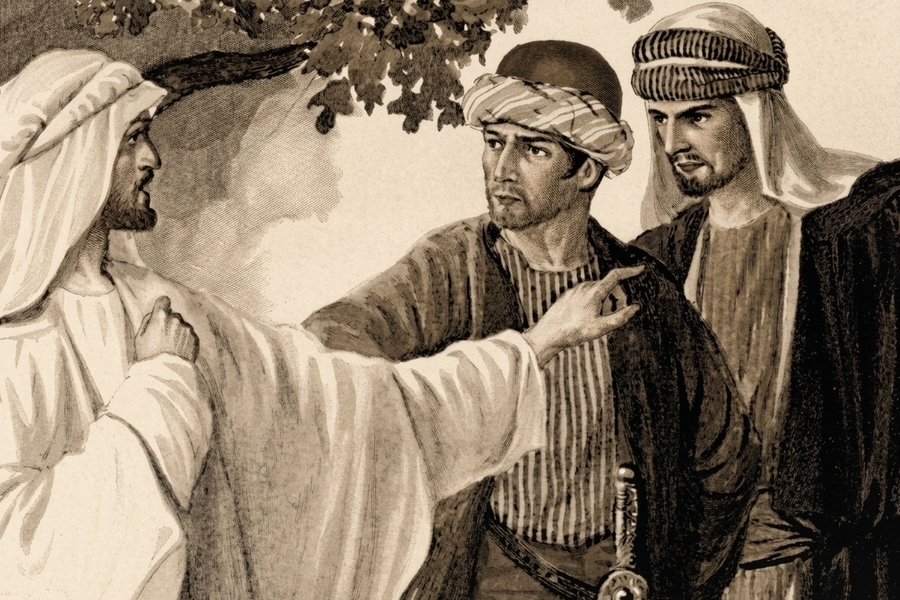
09-27-2026Weekly ReflectionWe Celebrate Worship Resource, Vol. 51, No. 2Two sons are ordered to work in their father's vineyard. One says no, but changes his mind and obeys, whereas the other son says yes, but doesn't follow through. After the chief priests and elders acknowledge that it is the first son who did his father's will, Jesus exposes their hypocrisy, warning them that sinners are entering the kingdom of God before them. The tax collectors and prostitutes who believe John the Baptist, repent, turn to Jesus, and obey God's will, are welcomed into the kingdom of God. Those who are outwardly holy but reject God's Son and refuse to change their minds are left behind. This then is the challenge that Jesus brings. He forces us to decide. Do we do God's will, as best our conscience recognizes it, or not? We may always change our minds, as the brothers did, or the people the Lord tells Ezekiel about in the first reading, but in the end we are called to do the Father's will. Jesus did so, "becoming obedient to the point of death" (Philippians 2:8), and so must we.
When have you had a difficult time following your conscience?
¿Cuál de los dos hizo la voluntad del Padre?
Se ordena a dos hijos que trabajen en la viña de su padre. Uno dice que no, pero cambia de parecer y obedece, mientras que el otro dice que sí, pero no cumple su palabra. Después de que los sumos sacerdotes y los ancianos reconocen que fue el primer hijo quien hizo la voluntad de su padre, Jesús pone al descubierto su hipocresía, advirtiéndoles que los pecadores están entrando en el Reino de Dios antes que ellos. Los recaudadores de impuestos y las prostitutas que creen en Juan el Bautista, se arrepienten, se vuelven hacia Jesús y obedecen la voluntad de Dios, son acogidos en el Reino de Dios. Aquellos que aparentan santidad pero rechazan al Hijo de Dios y se niegan a cambiar de actitud, quedan fuera. Este es, pues, el desafío que nos plantea Jesús. Nos obliga a decidir: ¿hacemos la voluntad de Dios, tal como nuestra conciencia la reconoce, o no? Podemos cambiar de parecer, como hicieron los hermanos o las personas de las que el Señor habla a Ezequiel en la primera lectura, pero al final estamos llamados a cumplir la voluntad del Padre. Jesús lo hizo así, "haciéndose obediente hasta la muerte" (Filipenses 2,8), y nosotros debemos hacer lo mismo.
¿Cuándo te ha resultado difícil seguir tu conciencia?
I Will Give You What Is Just
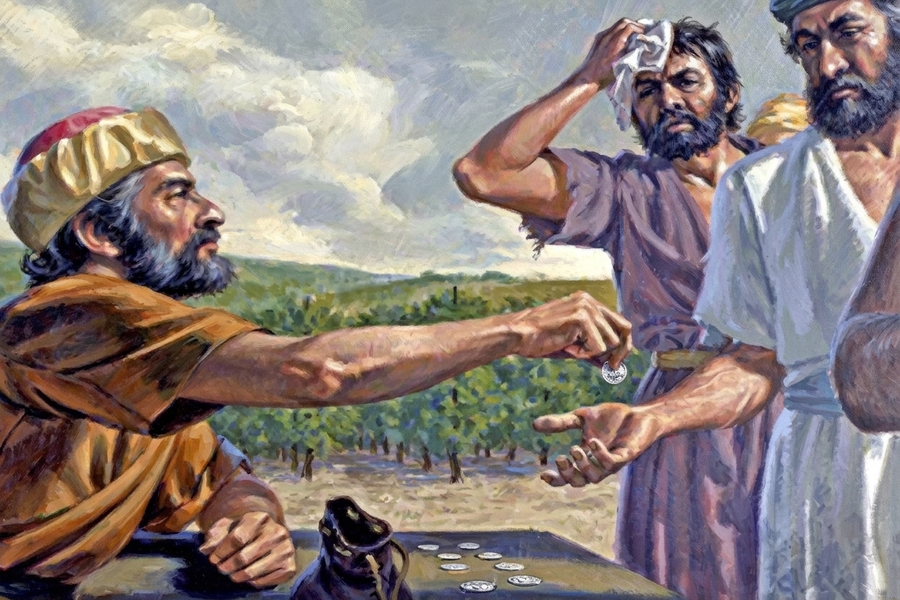
09-20-2026Weekly ReflectionWe Celebrate Worship Resource, Vol. 51, No. 2Justice and mercy. We often view these virtues as opposites, or at least in tension with one another. Today's parable about the kingdom highlights this tension. The vineyard owner pays all the laborers the same amount, whether they worked all day or but a single hour. The mercy shown the latter, who had stood around idle nearly all day, seems unjust to those who had put in a full day of work under the brutal sun. How can they be paid exactly the same? But remember, this is a parable about the kingdom. Those who accept God's grace at the very end of their lives are welcomed into the kingdom just as those who have pleased God all their lives. For us, the tension between justice and mercy leads to resentment and envy, but it helps to recall Isaiah's words: "As high as the heavens are above the earth, so high are my ways above your ways" (Isaiah 55:9). God is both all just and all merciful without contradiction, and we can only attempt to reconcile that tension while we appreciate God's generosity with both justice and mercy.
When have you felt resentful of someone who was clearly undeserving?
Les pagaré lo que es justo
Justicia y misericordia. A menudo consideramos estas virtudes como opuestas, o al menos en tensión mutua. La parábola de hoy sobre el Reino pone de relieve esta tensión. El dueño de la viña paga la misma cantidad a todos los trabajadores, tanto si trabajaron todo el día como si lo hicieron una sola hora. La misericordia mostrada a estos últimos —que habían permanecido ociosos casi todo el día— parece injusta para quienes habían cumplido una jornada completa bajo un sol abrasador. ¿Cómo es posible que reciban exactamente la misma paga? Pero recordemos que se trata de una parábola sobre el Reino. Quienes aceptan la gracia de Dios al final de sus vidas son acogidos en el Reino del mismo modo que aquellos que han agradado a Dios durante toda su existencia. Para nosotros, la tensión entre justicia y misericordia suele generar resentimiento y envidia; sin embargo, conviene recordar las palabras de Isaías: «Como el cielo es más alto que la tierra, así mis caminos son más altos que los vuestros» (Isaías 55:9). Dios es, a la vez, plenamente justo y plenamente misericordioso, sin contradicción alguna; nosotros solo podemos intentar conciliar esa tensión mientras valoramos la generosidad de Dios, tanto en su justicia como en su misericordia.
¿Cuándo has sentido resentimiento hacia alguien que claramente no lo merecía?

How Often Must I Forgive?
09-13-2026Weekly ReflectionWe Celebrate Worship Resource, Vol. 51, No. 2In the Gospel, Matthew uses the word splagchnizomai to describe the extreme compassion Jesus felt when people came to him in need. The Greek word connotes an emotion originating deep within oneself, literally from the inner organs that keep us alive. Today it describes the feeling of the master in Jesus' parable: "moved with compassion the master of that servant let him go and forgave him the loan" (Matthew 18:27). His compassion was strong enough to outweigh the huge amount he was owed. When we are hurt by someone else, we naturally feel angry, maybe even vengeful. But as Sirach says, if we let anger fester or if we take vengeance on our neighbor, how can we expect mercy for our own sins? As God forgave the Chosen People time and again when they broke the covenant, as Jesus forgave sinners right up to his final hour, we are called to forgive those who hurt us and to have mercy on those who have done wrong. After all, we hope that when we die, God will have that same intense feeling of compassion for us as the master has in today's parable. And if we don't nurture and exercise that compassion ourselves, what right do we have to expect it in others?
Who needs compassion like this from you today?
¿Cuántas veces tengo que perdonar?
En el Evangelio, Mateo utiliza la palabra splagchnizomai para describir la profunda compasión que Jesús sentía cuando la gente acudía a él en busca de ayuda. Este término griego evoca una emoción que nace de lo más profundo del ser, literalmente de las entrañas que nos mantienen con vida. Hoy en día, esta palabra describe el sentimiento del señor en la parábola de Jesús: «movido a compasión, el señor de aquel siervo lo dejó libre y le perdonó la deuda» (Mateo 18, 27). Su compasión fue lo suficientemente fuerte como para prevalecer sobre la enorme suma que se le debía. Cuando alguien nos hace daño, es natural sentir ira o incluso deseos de venganza. Pero, como dice el libro del Eclesiástico, si dejamos que la ira se encone o si nos vengamos de nuestro prójimo, ¿cómo podemos esperar misericordia por nuestros propios pecados? Así como Dios perdonó una y otra vez al Pueblo Elegido cuando quebrantaba la alianza, y como Jesús perdonó a los pecadores hasta su última hora, nosotros estamos llamados a perdonar a quienes nos han hecho daño y a tener misericordia de quienes han obrado mal. Al fin y al cabo, esperamos que, al morir, Dios sienta por nosotros esa misma compasión intensa que el señor de la parábola de hoy experimentó. Y si nosotros mismos no cultivamos ni ejercitamos esa compasión, ¿qué derecho tenemos a esperarla de los demás?
¿Quién necesita hoy una compasión así de tu parte?

There I Am in the Midst of Them
09-06-2026Weekly ReflectionWe Celebrate Worship Resource, Vol. 51, No. 2When we see someone doing something sinful or hurtful, we tend to do one of two things. Either we look the other way because it's too awkward to say something, or we confront them angrily, especially if we're the ones being hurt. Jesus describes an alternative in great detail. Take small steps to progressively reconcile the offender with the one who has been hurt and with the wider community. As we may have been taught: hate the sin, love the sinner. Firmly correct the behavior while caring for the person. If this fails, Jesus counsels the disciples to "treat [them] as you would a Gentile or a tax collector" (Matthew 18:17), which seems terrible, but Matthew, of all people, realized that it really isn't. He himself had been a tax collector before repenting and becoming a disciple. Jesus would go on to commission his disciples to make disciples of all nations. You see, Jesus treated Gentiles and tax collectors with mercy and expects us to treat sinners with mercy as well. When we see someone doing wrong, don't ignore the sin, but don't drive the sinner away. Soften their hearts and reconcile with them.
How do you react when you are corrected? Does it depend on the way it's done?
Ahí estoy yo en medio de ellos
Cuando vemos a alguien cometer un acto pecaminoso o que causa daño, solemos reaccionar de una de estas dos maneras: o bien miramos hacia otro lado por la incomodidad que supone decir algo, o bien confrontamos a la persona con ira, especialmente si somos nosotros quienes hemos sufrido el daño. Jesús describe una alternativa muy detallada: dar pequeños pasos para reconciliar progresivamente al ofensor con la persona agraviada y con la comunidad en general. Como bien se nos ha enseñado: hay que odiar el pecado, pero amar al pecador. Se trata de corregir la conducta con firmeza sin dejar de preocuparse por la persona. Si esto no da resultado, Jesús aconseja a sus discípulos que traten a esa persona «como a un pagano o a un recaudador de impuestos» (Mateo 18:17); algo que puede parecer terrible, pero que Mateo, precisamente él, comprendió que no lo era en absoluto. Él mismo había sido recaudador de impuestos antes de arrepentirse y convertirse en discípulo. Más adelante, Jesús encomendaría a sus discípulos la misión de hacer discípulos en todas las naciones. Jesús trataba a los paganos y a los recaudadores de impuestos con misericordia, y espera que nosotros también tratemos a los pecadores con misericordia. Cuando veamos a alguien obrar mal, no ignoremos el pecado, pero tampoco alejemos al pecador; procuremos ablandar su corazón y reconciliarnos con él.
¿Cómo reaccionas cuando te corrigen? ¿Depende de la forma en que se haga?